14 Days Tsum Valley Trek: Complete Itinerary & Guide

Annapurna, Gandaki Province, Nepal

14 Days

Trek Region

Annapurna / Nar Phu Valley

Group Size

1-12 trekkers (Private & Small Group)

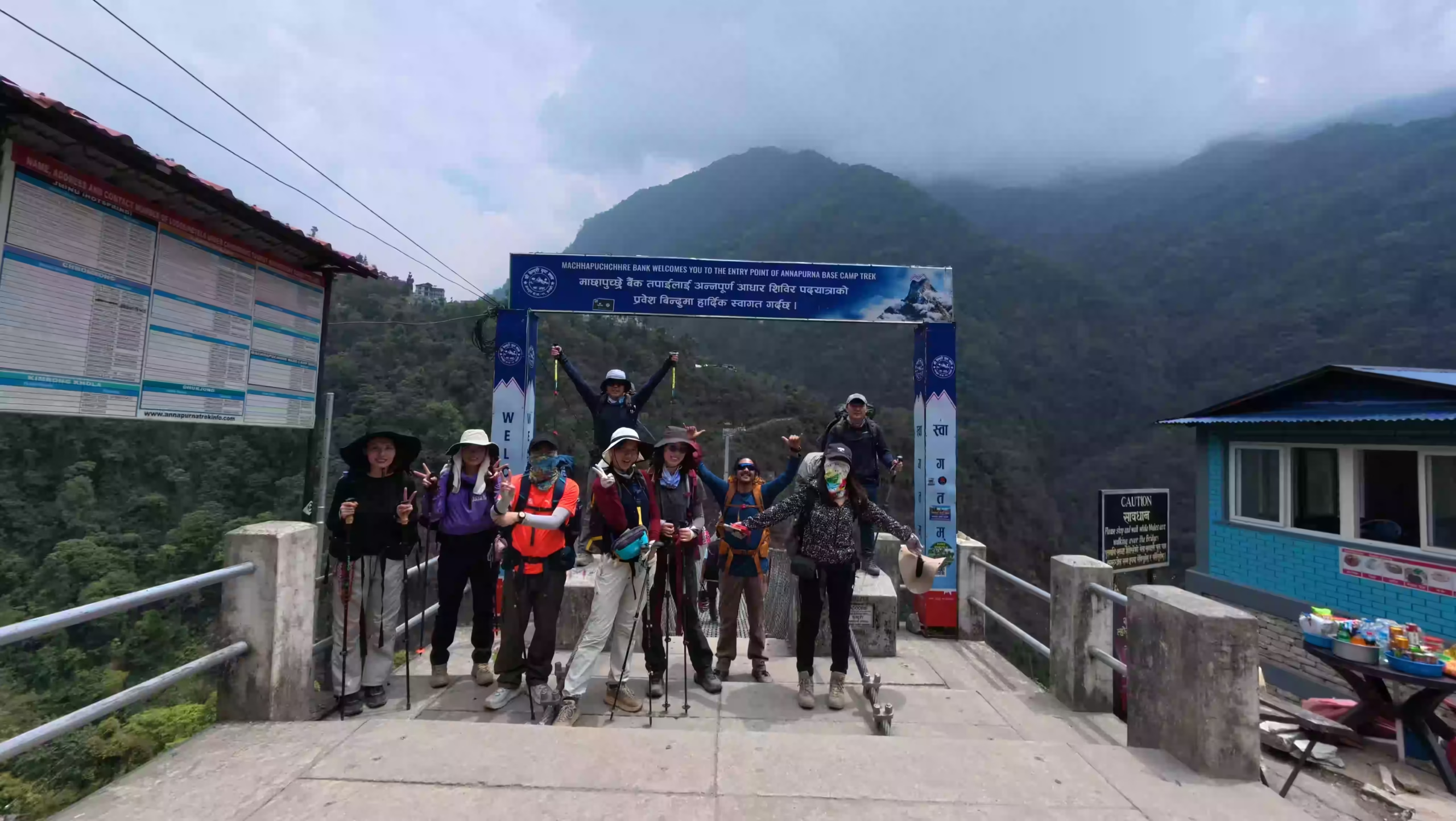
The Tsum Valley Trek is a 14-day journey along a peaceful trekking route in Nepal’s Manaslu region. The route takes you through river valleys, forest trails, stone villages, Buddhist landmarks, and quiet mountain settlements in Gorkha District. Your journey starts with a drive from Kathmandu to Machha Khola, the entry point of the lower Manaslu trail. From there, you follow the Budhi Gandaki River through Khorlabesi, Tatopani, Jagat, and Philim before the trail turns toward Lokpa and enters the Tsum Valley route. The trail then continues through Chumling, Chhokangparo, and Chhule before reaching Mu Gompa at 3,700m / 12,139ft, the highest point of this itinerary. After exploring the upper valley, the route descends through Chumling, Lokpa, and Philim before returning to Kathmandu.

Trip Info 

  • Machha Khola
  • Philim
  • Approx. 130 to 145 km / 80.8 to 90.1 miles
  • Trekking/Hiking + Scenic Drive
  • Moderate to Challenging
  • Mar to May, Sep to Nov
  • Mu Gompa, 3,700m / 12,139ft
  • 3 to 7 hours
  • Manaslu Conservation Area Permit, Tsum Valley Restricted Area Permit
  • 3-star hotel in Kathmandu; Teahouses/Guesthouses during the trek
  • Breakfast, Lunch & Dinner during the trek
  • Licensed guide and porter available (1 porter for 2 trekkers)

Why Trek to Tsum Valley

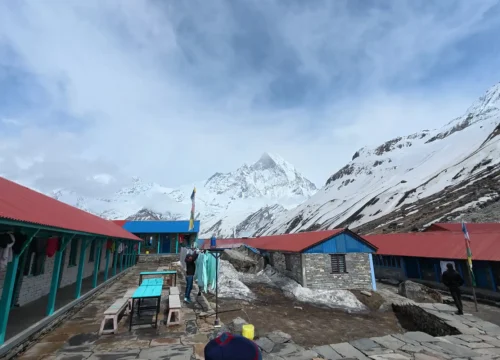
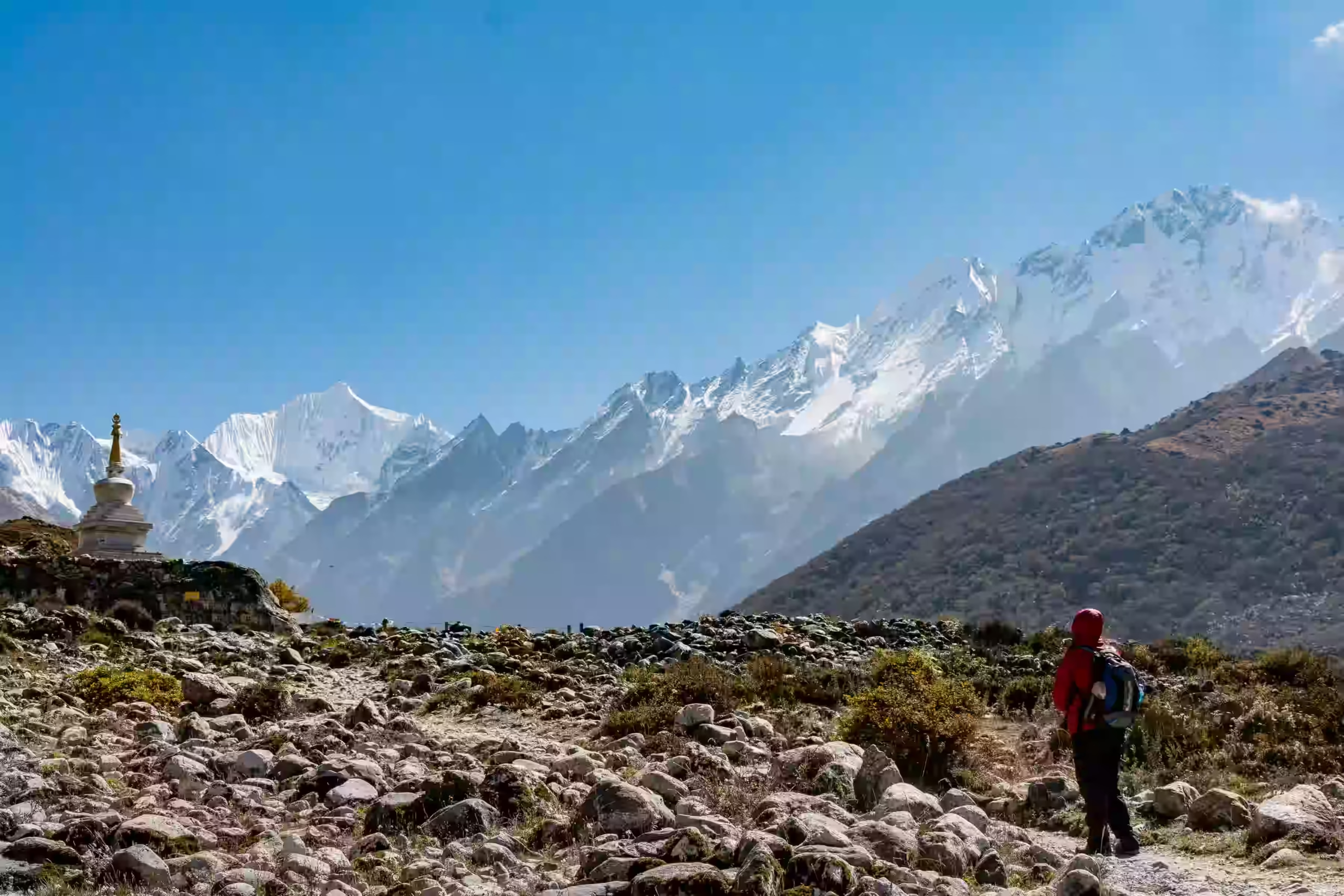
The Tsum Valley Trek is a good choice if you want a Himalayan journey that feels quiet, cultural, and close to local life. It takes you away from Nepal's busier trekking paths and into a restricted valley where villages, monasteries, mani walls, chortens, prayer flags, stone houses, and mountain scenery are part of the daily walking experience.

The route feels rewarding without taking you to very extreme altitudes. The trail moves from the lower Manaslu route near Machha Khola, Jagat, and Philim into the quieter Tsum Valley through Lokpa, Chumling, Chhokangparo, and Chhule. The main highlight is the hike to Mu Gompa at 3,700m / 12,139ft. After visiting the monastery, you descend to Chhule for an overnight stay.

Trek Highlights 

  • Trek through Tsum Valley, a less-visited restricted trekking area in Nepal’s Manaslu region.
  • Follow the Budhi Gandaki River trail through Machha Khola, Jagat, Philim, and Lokpa before entering the Tsum Valley route.
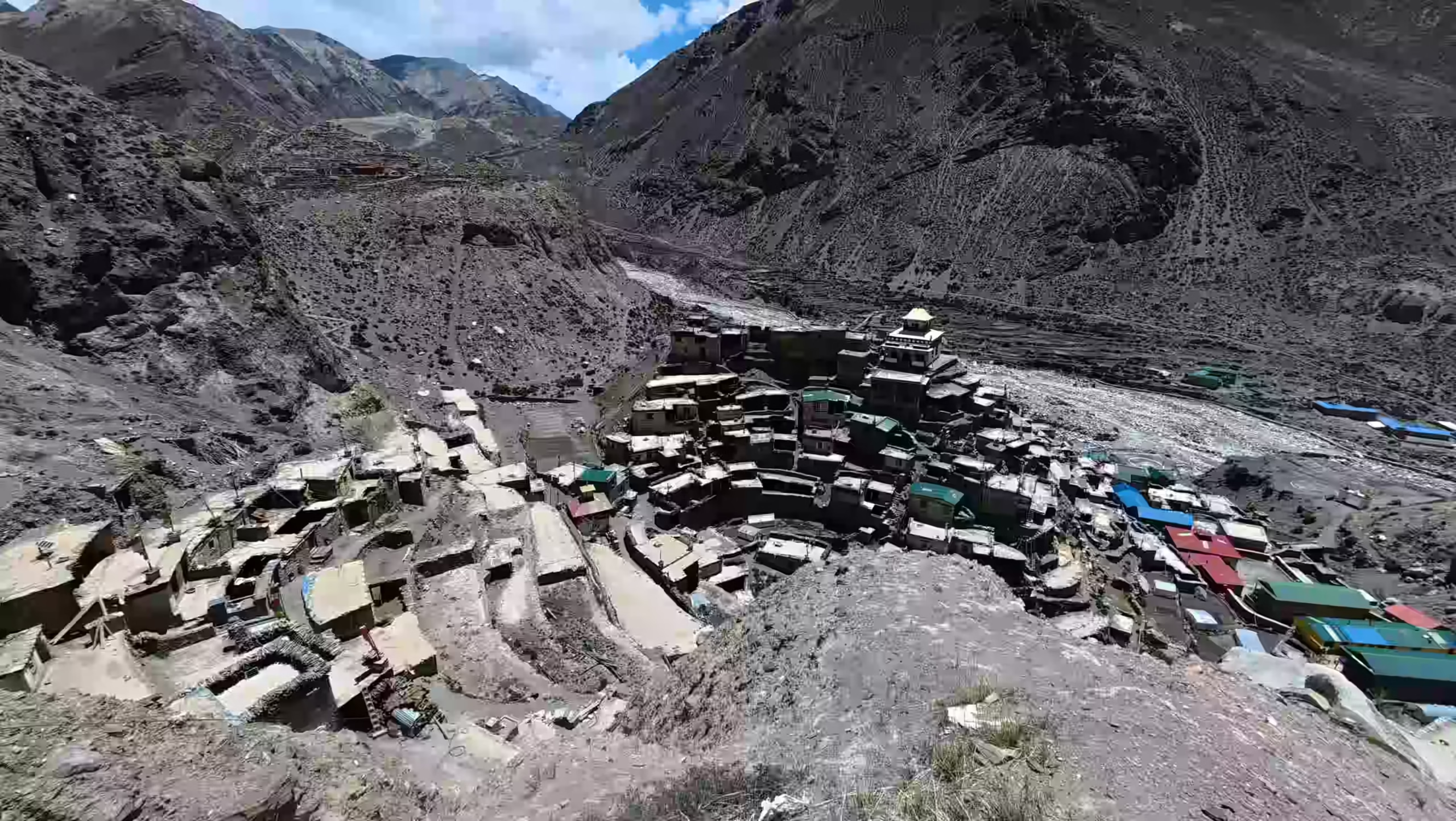
  • Walk through traditional villages such as Chumling, Chhokangparo, and Chhule.
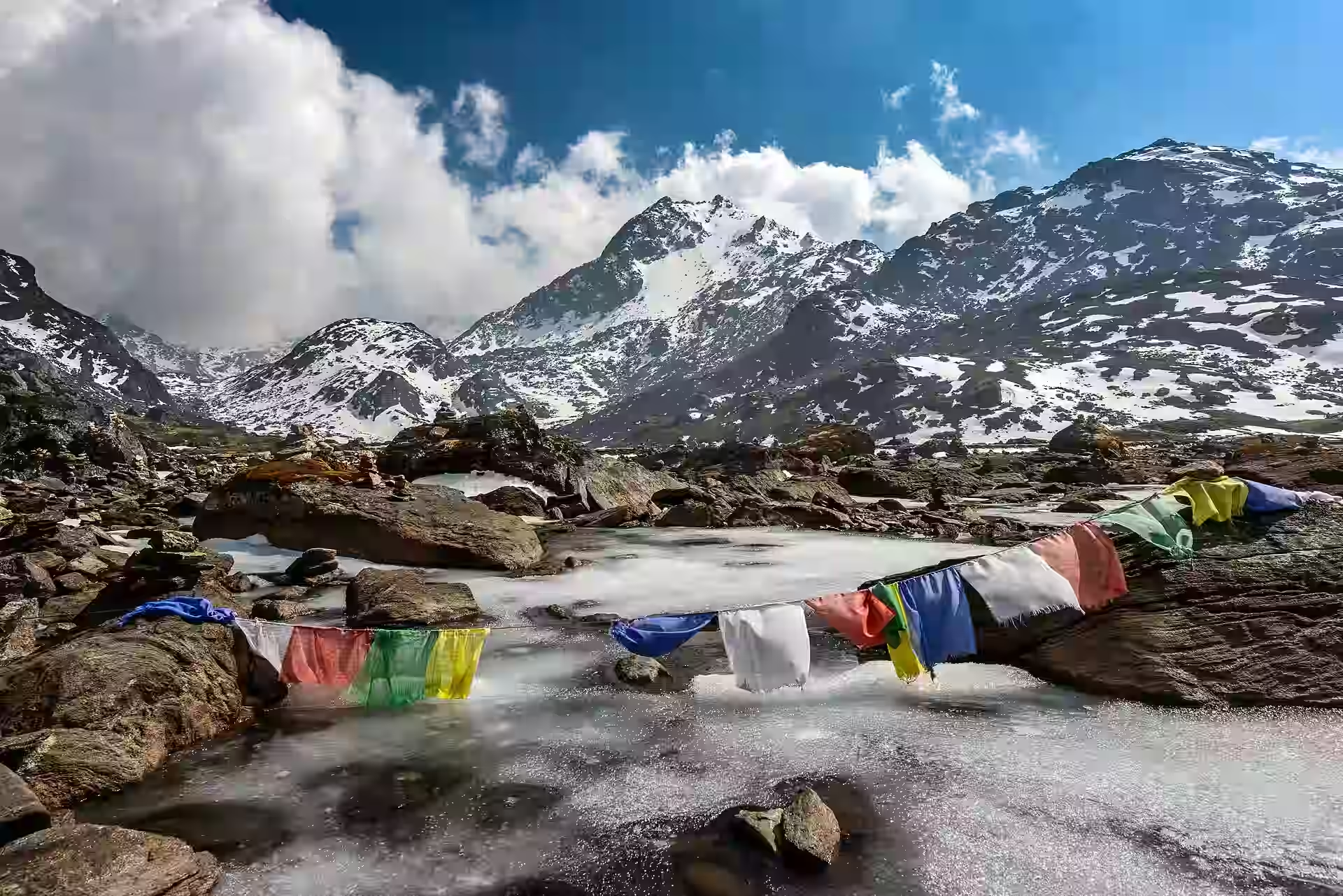
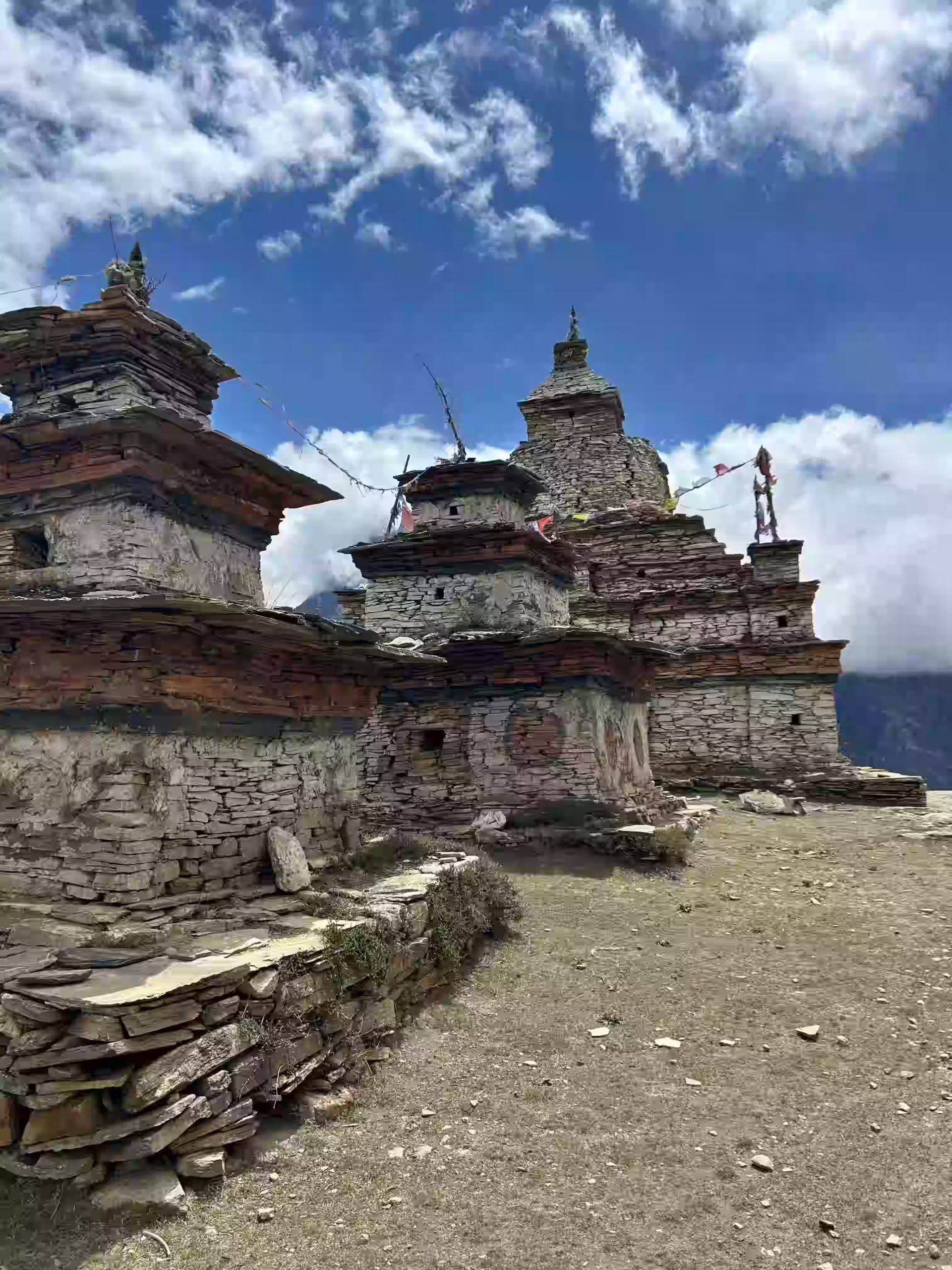
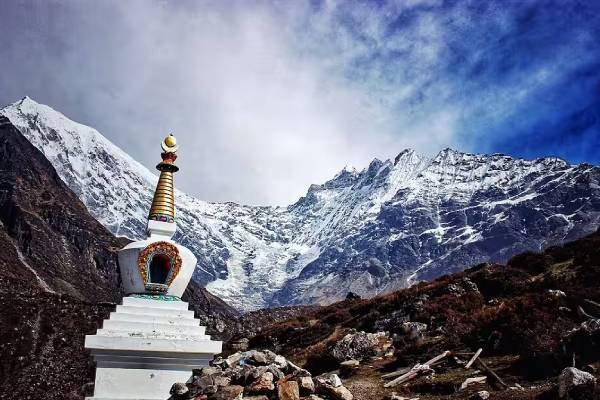
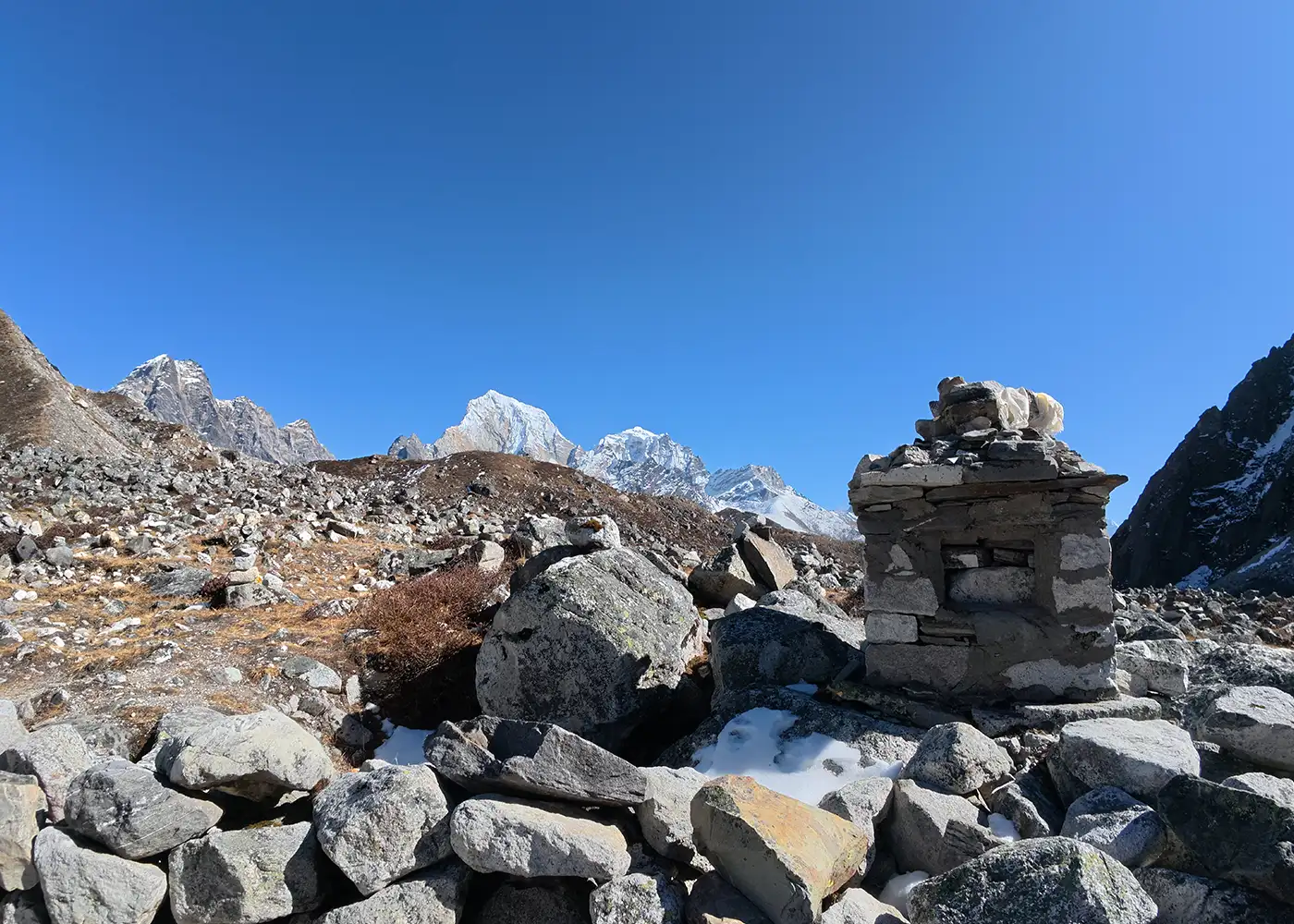
  • Experience Tibetan Buddhist culture through mani walls, chortens, prayer flags, prayer wheels, monasteries, and old village paths.
  • Hike to Mu Gompa at 3,700m / 12,139ft, the highest point of this 14-day Tsum Valley Trek itinerary.
  • Return to Chhule after visiting Mu Gompa, which keeps the overnight altitude lower and makes the route more comfortable.
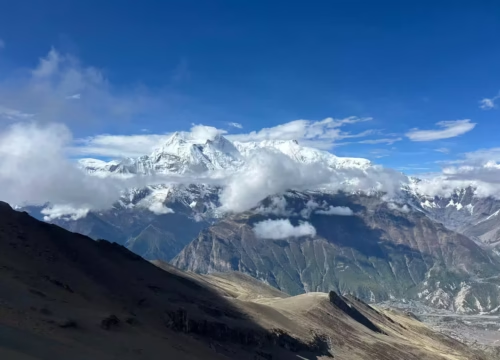
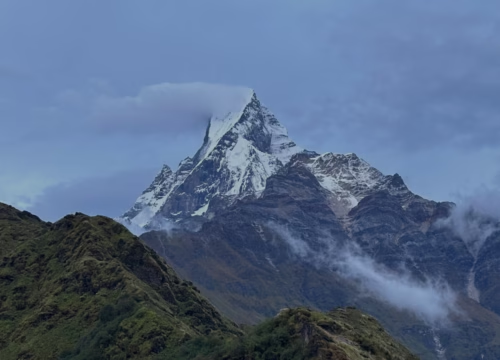
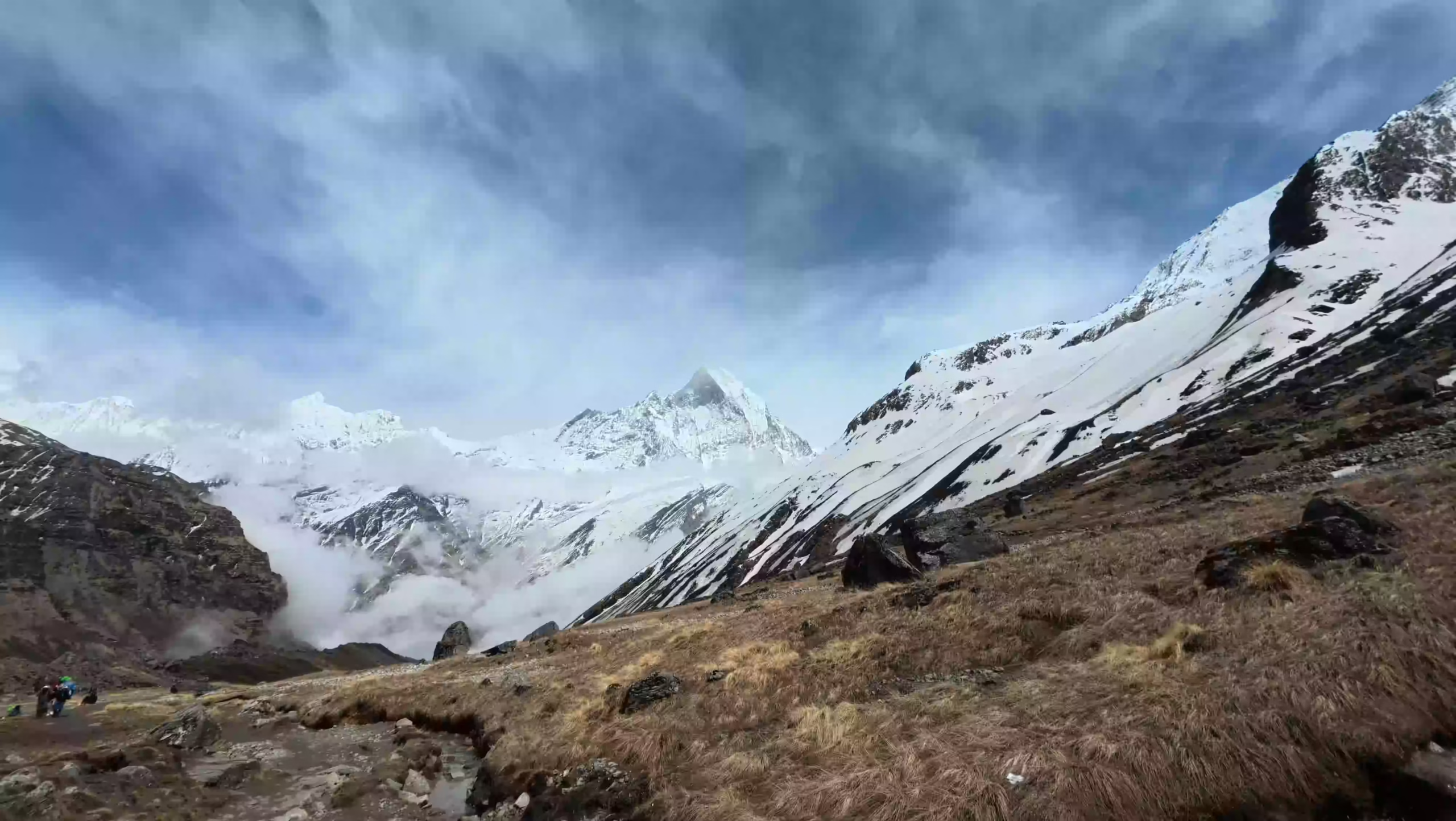
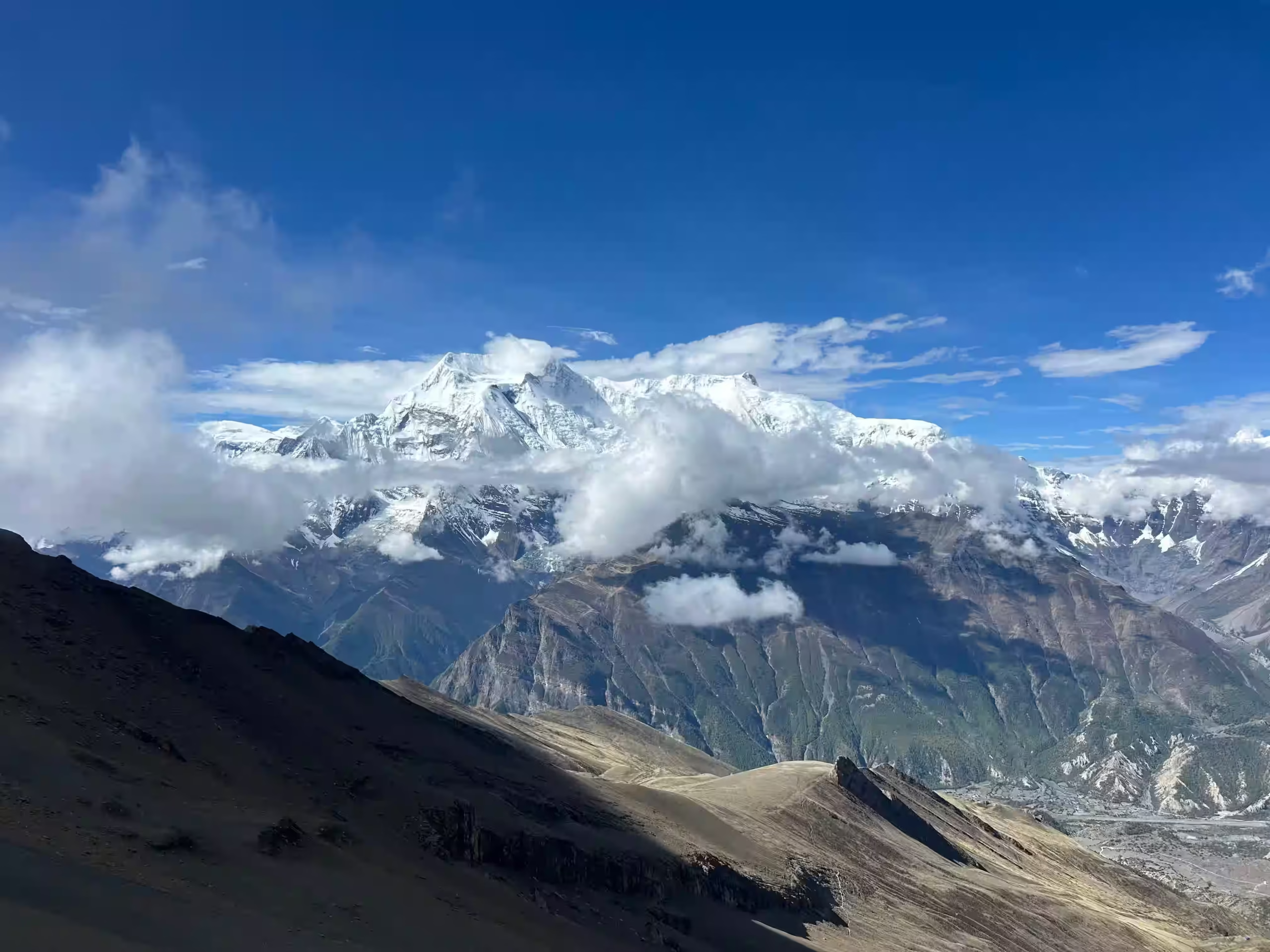
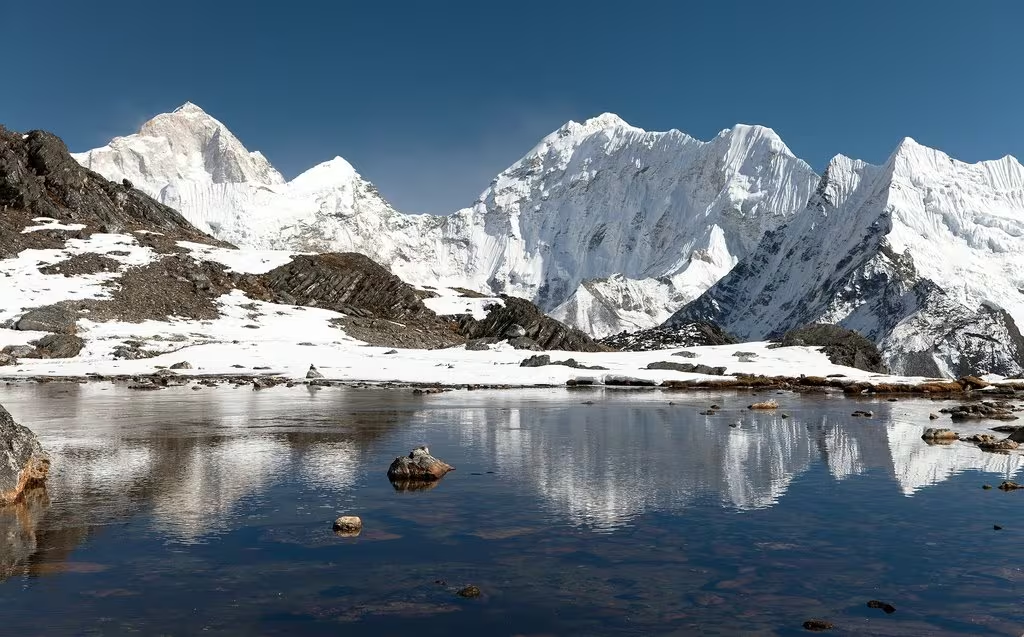
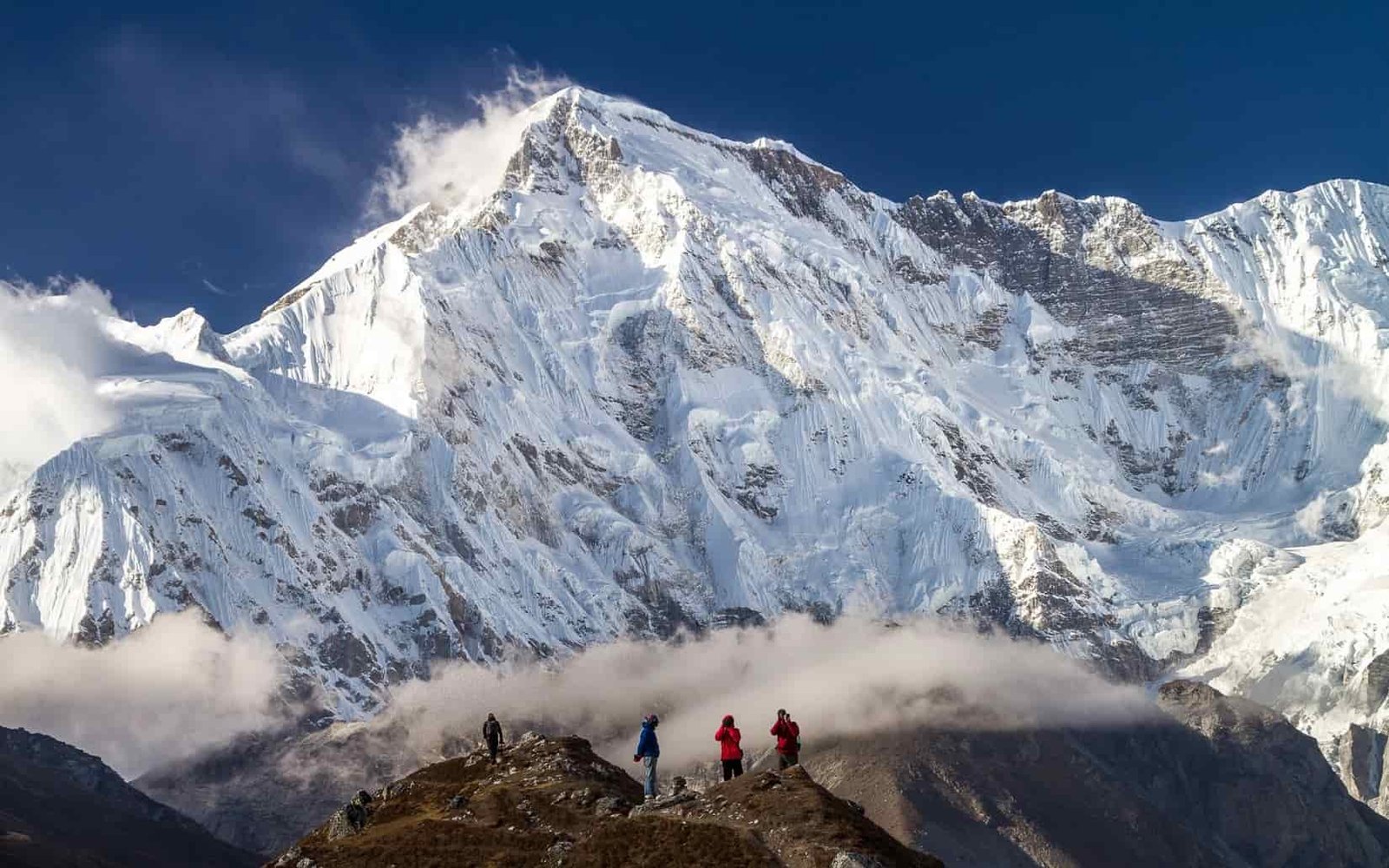
  • Enjoy views of Ganesh Himal, Sringi Himal, Buddha Himal, and nearby Himalayan ridges on clear days.
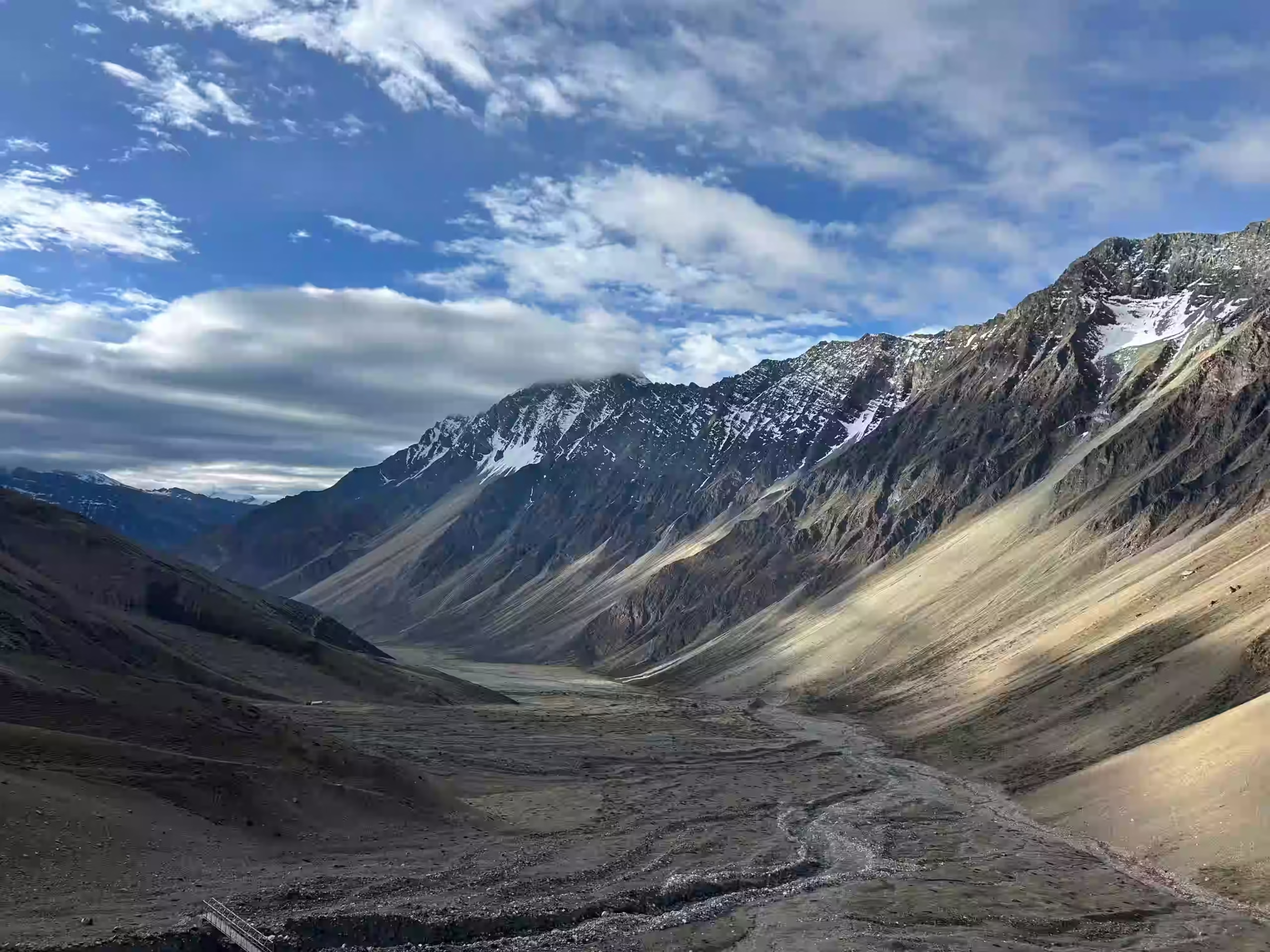
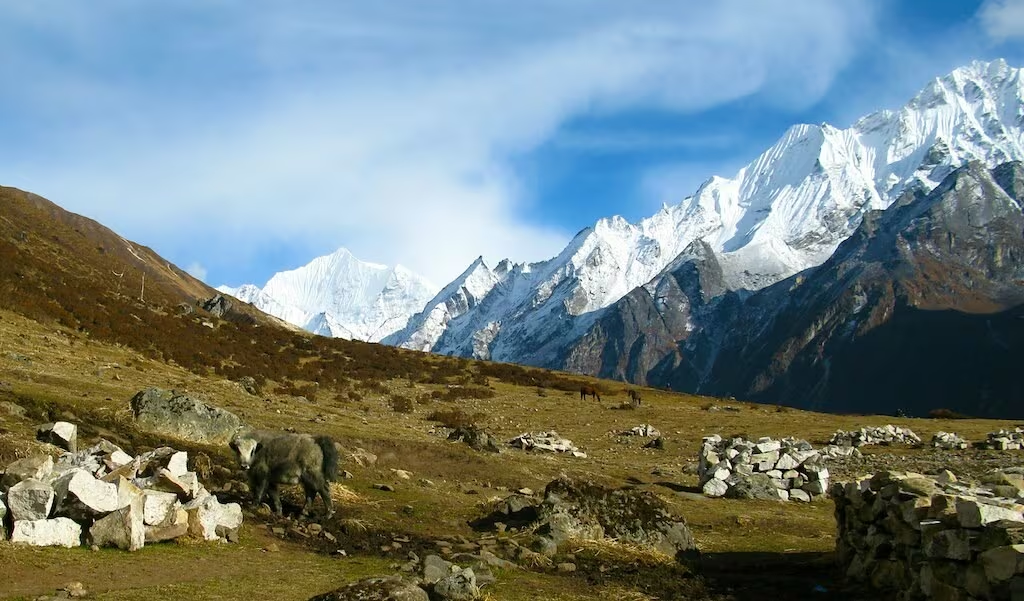
  • Trek through a mix of river valleys, forest trails, stone settlements, farmland, open hillsides, and dry upper-valley landscapes.
  • Explore a less crowded Himalayan route with active village life, cultural stops, and scenic walking days.

Tour Plan

After you arrive at Tribhuvan International Airport, our team welcomes you and transfers you to the hotel. You rest after the flight, freshen up, and spend the remaining time preparing for the trek.

Before bed, you meet your guide for the trek briefing. He/she explains the road journey to Machha Khola, the Tsum Valley route, restricted area permit rules, daily walking plan, and packing needs.

  • Drive duration: 25 to 30 minutes from the airport to the hotel

  • Drive distance: 5 to 7 km / 3.1 to 4.3 miles, depending on the hotel location

Note: Organize your trekking gear and buy any missing items in Kathmandu before leaving for the Manaslu region.
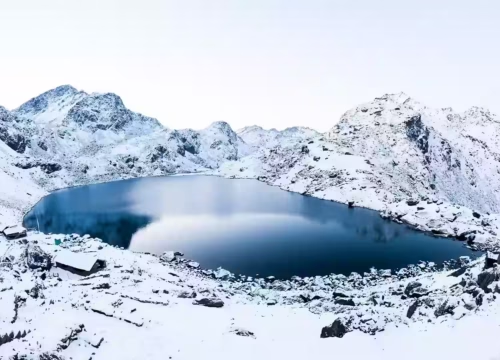
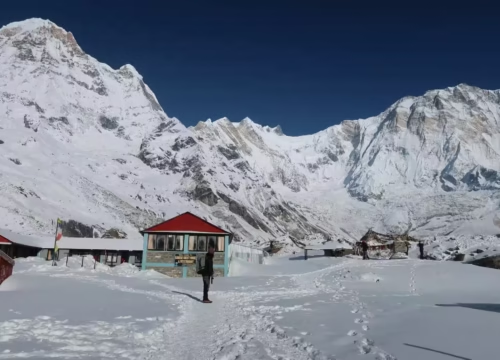
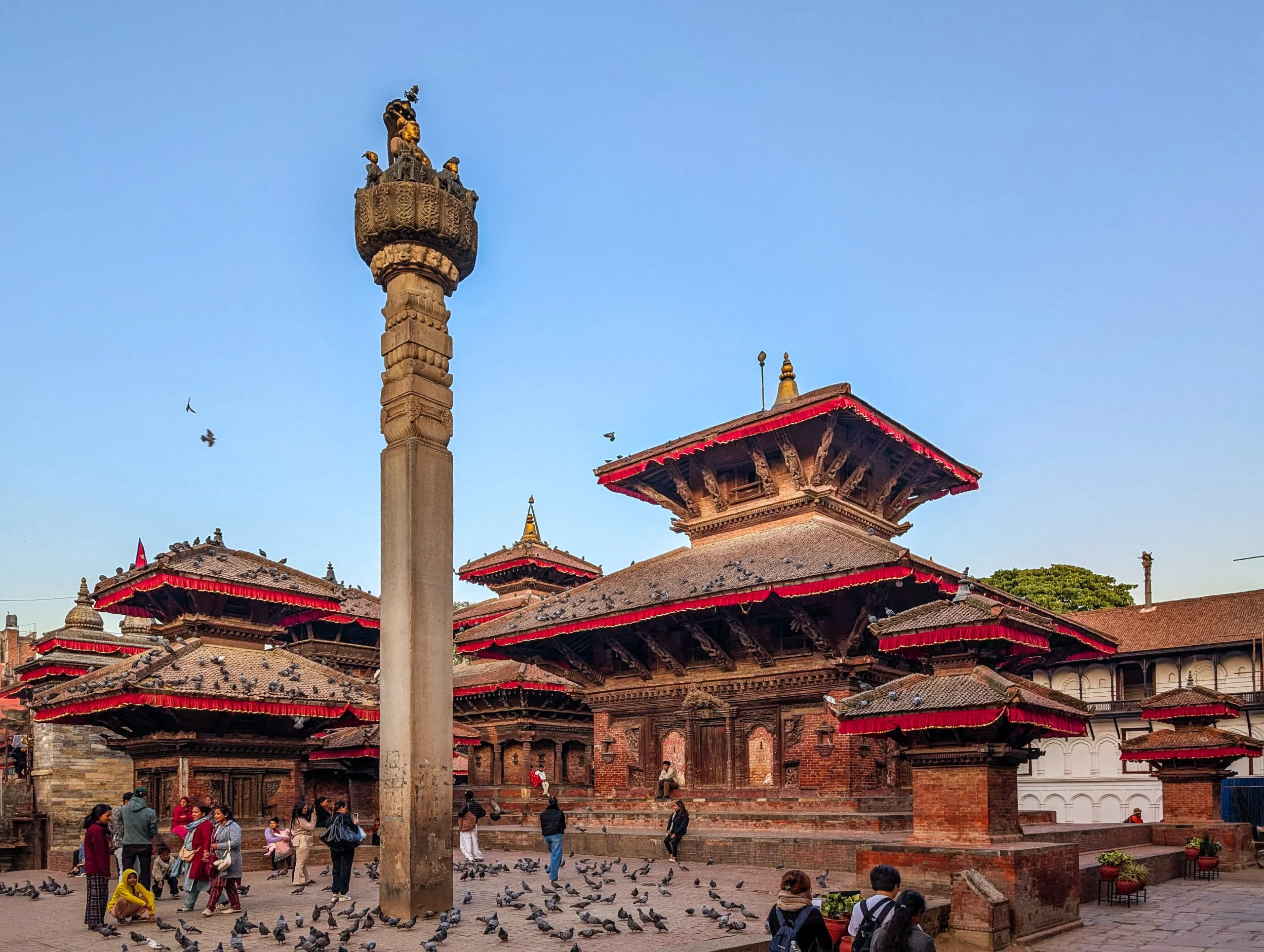
Once breakfast is finished, you leave Kathmandu and drive toward Machha Khola, the starting point of the walking route. The road passes hillside towns, terraced fields, river valleys, and small settlements as you move away from the busy city.

The drive becomes rougher after the main highway section and follows the Budhi Gandaki River corridor toward the lower Manaslu region. By the time you reach Machha Khola, the surroundings become more rural, and you stay overnight near the riverside before starting the trek the next day.
  • Drive duration: 8 to 9 hours

  • Drive distance: 160 to 168 km / 99.4 to 104.4 miles

  • Maximum altitude: 1,400m / 4,593ft

  • Elevation loss: -470m / -1,542ft

Note: Keep water, snacks, a rain cover, and personal essentials in your day bag because the road has rough and bumpy sections.

Your first trekking day begins at Machha Khola and follows the Budhi Gandaki River upstream. The trail winds through rocky paths, river bends, and small crossings, gradually moving away from the road-accessible villages. Along the way, you pass Khorlabesi and continue toward Tatopani, a small stop known for its natural hot spring area. From there, the trail goes through Dobhan and Yaru Phant, climbing stone steps and hillside paths toward Jagat.

Jagat stands out from the lower villages because of its stone-paved lanes and scenic mountain setting. This village also serves as an important checkpoint on the Manaslu and Tsum Valley route, marking the transition to the more official trekking trail. Here, the trekking experience starts to feel more immersive as you enter the heart of the valley.

  • Trek duration: 6 to 7 hours

  • Trek distance: 16 to 18 km / 9.9 to 11.2 miles

  • Maximum altitude: 1,340m / 4,396ft

  • Elevation gain:: +410m / +1,345ft

Note: This is the first full trekking day, so keep a steady pace and save energy for the climbs ahead.

You leave Jagat and continue along the Budhi Gandaki valley through a mix of stone steps, village paths, and river views. The trail passes Salleri and Sirdibas before moving toward Philim, a larger settlement along this route.

After Philim, the trail starts to feel quieter. You move away from the main Manaslu Circuit direction and follow the route toward Tsum Valley. The climb to Lokpa brings you into a more remote section, with forested trails, hillside paths, and fewer settlements along the way.

  • Trek duration: 5 to 6 hours

  • Trek distance: 17 km / 10.6 miles

  • Maximum altitude: 2,240m / 7,349ft

  • Elevation gain: +900m / +2,953ft

Note: This day marks the shift from the lower Manaslu trail toward the Tsum Valley route, where settlements become more scattered after Philim.

From Lokpa, your trail enters the lower section of Tsum Valley. You walk through forest paths, narrow hillsides, and deep valley views. The route then drops closer to Lungwa Khola before continuing toward the Siyar Khola.

After crossing the river, you climb toward Chumling. Near the village, you see prayer flags, mani walls, chortens, stone houses, and small farms. You stay overnight at a local teahouse in Chumling.

  • Trek duration: 5 to 6 hours

  • Trek distance: 10 to 11 km / 6.2 to 6.8 miles

  • Maximum altitude: 2,386m / 7,828ft

  • Net Elevation gain: +146m / +479ft

Note: There are limited teahouse stops between Lokpa and Chumling, so carry enough water and snacks for the walking day.

This day begins with a steady climb out of Chumling toward the upper Tsum Valley. The trail crosses the Siyar Khola side and passes near Domje, moving through pine and rhododendron sections and small fields along quiet local paths. You reach the village of Gho about halfway through the trek, where the trail begins a more continuous climb.

From Gho, the route climbs steadily toward Chhokangparo. The lower forest trail slowly changes into a wider valley setting with drier slopes and clearer mountain views. You reach Chhokangparo and stay overnight at a local teahouse.

  • Trek duration: 5 to 6 hours

  • Trek distance: 7 to 10 km / 4.3 to 6.2 miles

  • Maximum altitude: 3,031m / 9,944ft

  • Elevation gain: +645m / +2,116ft

Note: This day has a clear altitude gain from Chumling to Chhokangparo. Keep your pace slow and drink enough water during the climb.

The day begins in the wider upper valley above Chhokangparo. You walk through Lamagaun and continue toward Burji. Here, the side trail leads to Milarepa Cave, also known as Piren Phu.

After Burji, the route passes Phurbe and Pangdun before moving closer to the Nile village. The terrain feels drier and more open here, with long fields, bare slopes, and wide views across the valley. You continue beyond the Nile and reach Chhule for the night. Chhule village keeps you close to the Mu Gompa trail, which makes the next day's hike more comfortable.

  • Trek duration: 5 to 6 hours

  • Trek distance: 9 to 10 km / 5.6 to 6.2 miles

  • Maximum altitude: 3,347m / 10,981ft

  • Elevation gain: +316m / +1,037ft

Note: This section has open trails and strong sun exposure. Wear sun protection, carry enough water, and keep your pace steady.

This is the highest walking day of the Tsum Valley Trek itinerary. You start from Chhule with a light daypack and follow the upper-valley route toward Mu Gompa. The dry and exposed path crosses bare slopes, passes scattered Buddhist landmarks, and opens to broad mountain views as you approach the monastery.

Mu Gompa sits at approximately 3,700 m / 12,139 ft and is a major spiritual site in Tsum Valley. You spend time around the monastery area, take in the high-valley setting, and then follow the same route back to Chhule.

  • Hike duration: 5 to 6 hours

  • Hike distance: 9 to 10 km / 5.6 to 6.2 miles round trip

  • Maximum altitude: 3,700m / 12,139ft

  • Elevation gain: +353m / +1,158ft, then -353m / -1,158ft

Note: Carry only your daypack for the Mu Gompa hike. Keep warm layers, water, snacks, sunglasses, and a windproof jacket because the upper valley is colder and more exposed.

The return journey begins with a long descent from Chhule. You retrace the upper valley route through Nile, Pangdun, Phurbe, Burji, and Chhokangparo. The same trail feels different as you walk downhill.

The dry upper valley slowly gives way to greener slopes and warmer air. You pass familiar mani walls and open hillside sections before the trail drops toward the lower valley. As the descent continues, your legs feel the steady downhill walk. You pass Gho and return to Chumling, where you stay overnight at a local teahouse.

  • Trek duration: 6 to 7 hours

  • Trek distance: 18 km / 11.2 miles

  • Maximum altitude: 3,347m / 10,981ft

  • Elevation gain: T-961m / -3,153ft

Note: This is a long descent day. Use trekking poles, take short breaks, and keep your pace steady on the steeper sections above Chumling.

From Chumling, your return trail moves through the lower section of Tsum Valley. You follow forested paths, narrow hillside tracks, and familiar river crossings from the earlier route. The trail then passes the gorge-side section near the entrance to the valley. The familiar route is easier to follow on the return journey. 

As you reach Lokpa, the inner Tsum Valley section comes to an end. From here, your route reconnects with the lower Manaslu trail before the final walking day to Philim.

  • Trek duration: 5 to 6 hours

  • Trek distance: 11 km / 6.8 miles

  • Maximum altitude: 2,386m / 7,828ft

  • Elevation gain: -146m / -479ft

Note: Rest well in Lokpa because the next day is the final trekking day before the long drive.

Cost Includes

Cost Excludes

Location

Day 

Night

Kathmandu

18–24°C / 64–75°F

8–12°C / 46–54°F

Besisahar

22–27°C / 72–81°F

12–16°C / 54–61°F

Koto

14–18°C / 57–64°F

4–8°C / 39–46°F

Meta

10–14°C / 50–57°F

0–4°C / 32–39°F

Kyang

8–12°C / 46–54°F

-2–2°C / 28–36°F

Phu Village

6–10°C / 43–50°F

-6–-1°C / 21–30°F

Nar Phedi

10–14°C / 50–57°F

-2–2°C / 28–36°F

Nar Village

5–9°C / 41–48°F

-7–-2°C / 19–28°F

Kang La Pass

-5–5°C / 23–41°F

-15–-5°C / 5–23°F

Ngawal

8–12°C / 46–54°F

-3–1°C / 26–34°F


Note: These are estimated ranges for the main trekking seasons, spring from March to May and autumn from September to November. Actual temperatures may fall outside these ranges, particularly around Chhokangparo, Chhule, and Mu Gompa.

The best seasons for the Tsum Valley Trek are spring (March to May) and autumn (September to November). Spring offers warmer days, green valleys, and blooming flowers, while autumn provides stable weather, dry trails, and excellent visibility of the Himalayan peaks.

Winter trekking is possible for experienced hikers who can handle cold nights, especially in the higher villages of Chhokangparo, Chhule, and Mu Gompa. The monsoon season (June to August) is generally avoided due to slippery trails, rough roads, and challenging river crossings, which can slow down progress and make the trek more physically demanding.

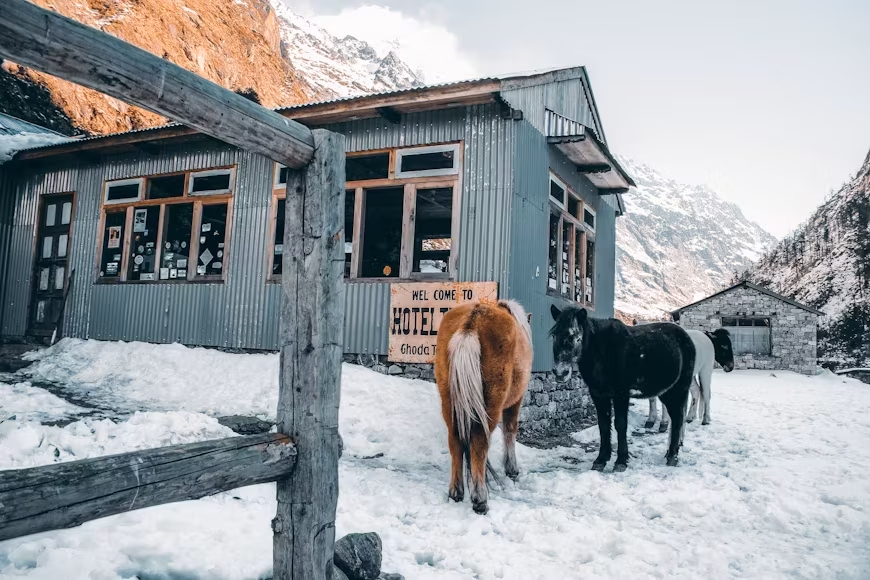
Along the Tsum Valley trail, accommodation is simple but sufficient, with most nights spent in family-run teahouses or guesthouses. Rooms typically provide basic beds and blankets, and toilets are usually shared. Staying in these local establishments allows trekkers to experience authentic village life and interact with friendly residents.

Meals are hearty and nourishing, tailored to the energy needs of trekkers. Common dishes include dal bhat (rice and lentils), noodles, momo, pizza, fried rice, eggs, pancakes, Tibetan bread, tea, coffee, and seasonal local specialties. In remote villages such as Chhokangparo, Chhule, and Mu Gompa, food options may be limited, so carrying a few energy bars, nuts, or chocolates is recommended for longer walking days.

The Tsum Valley Trek is moderate to challenging, requiring good fitness for walking 3–7 hours daily. The lower valley from Machha Khola to Lokpa has gentler climbs and wider paths, making it easier to maintain a steady pace and enjoy the villages along the way.

The upper valley from Chumling to Mu Gompa involves steeper climbs and narrower, more remote trails. The highest point is Mu Gompa at 3,700 m / 12,139 ft, with overnight stays returning to Chhule (3,347 m / 10,981 ft) to reduce altitude stress. Descending to Machha Khola can be tiring, but trekkers are rewarded with mountain views, monasteries, and traditional village experiences.

Packing for the Tsum Valley Trek requires a balance of warmth, comfort, and manageable weight. Bring clothes and gear suitable for sunny days, cold mornings, windy trails, and basic teahouse nights in the upper valley.

Book Your Tsum Valley Trek with Joyful Eco Treks

Start planning your 14-day Tsum Valley Trek with Joyful Eco Treks. We arrange the route, permits, guide, transport, and trekking support so your journey from Kathmandu to Mu Gompa and back stays clear, safe, and well organized.

Frequently Asked Question

How long is the Tsum Valley Trek?

The Tsum Valley Trek takes 10 to 14 days, depending on the route, pace, acclimatization plan, and transport option. A shorter itinerary covers the main valley highlights, while a longer route adds more rest time or combines Tsum Valley with the Manaslu Circuit.

The Tsum Valley Restricted Area Permit costs $40 per person for the first week from September to November. From December to August, it costs $30 per person for the first week. Each extra day after one week costs $7 per person.

The Tsum Valley Trek typically costs between $900 and $1,600 per person for a complete 11- to 15-day guided package. The final cost depends on the trek duration, group size, guide and porter services, permits, transport, meals, and accommodation. A private trek usually costs more than a group trek because transport, guide, and service costs are shared among fewer people.
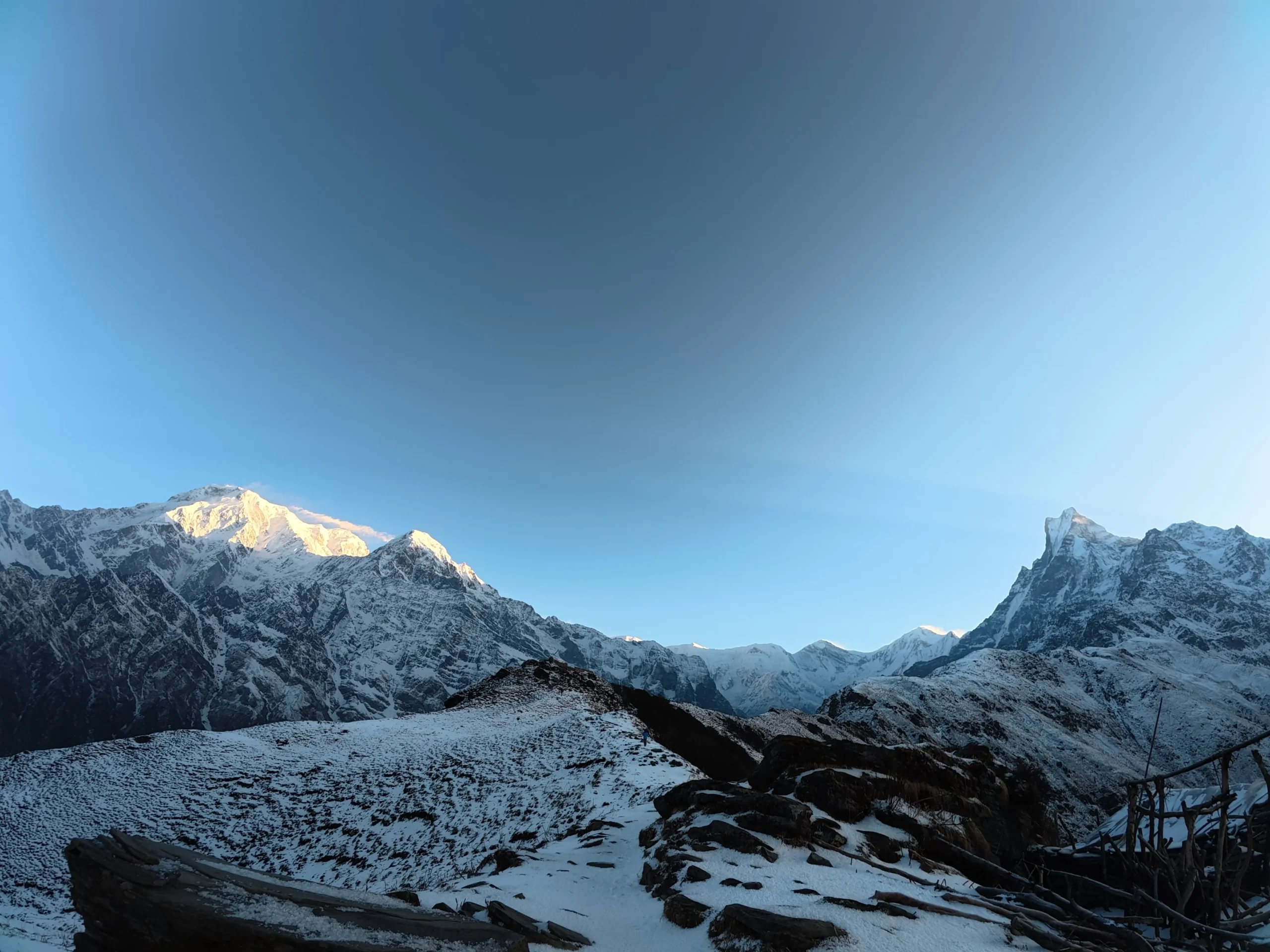
The Tsum Valley trek distance is usually around 130 to 170 km / 80.8 to 105.6 miles, depending on the route. The distance changes based on the starting point, ending point, side hikes, and whether the trek returns through the same trail or joins another route.

The best time to do the Tsum Valley Trek in Nepal is during spring and autumn. March to May brings warmer weather, blooming forests, and clear mountain views. September to November offers stable weather, dry trails, and better visibility after the monsoon.

Machha Khola is about 160 to 168 km / 99.4 to 104.4 miles from Kathmandu by road. The drive takes around 8 to 9 hours because the road has rough mountain sections after the main highway.

Yes, you need a licensed guide for the Tsum Valley Trek. Tsum Valley is a restricted trekking area, so the route requires proper permit handling, agency support, and guided trekking. A guide helps with permit checks, route navigation, local communication, teahouse planning, and safety throughout the trek.

The highest point of the Tsum Valley Trek is usually Mu Gompa at about 3,700m / 12,139ft. Some extended routes or side hikes go higher, but Mu Gompa is the main high-altitude highlight on the classic Tsum Valley route.

The Tsum Valley Trek commonly starts from Machha Khola or Soti Khola after a road journey from Kathmandu. It usually ends at Philim, Machha Khola, Soti Khola, or another lower Manaslu trail point, depending on the itinerary and transport plan.

No, altitude sickness is not very common on the classic Tsum Valley route because the trek does not go as high as many other Himalayan routes. The highest point is usually Mu Gompa at about 3,700m / 12,139ft, while most overnight stops stay lower. Still, trekkers should take altitude seriously after Chhokangparo, Chhule, and Mu Gompa. Walk slowly, drink enough water, eat well, and tell your guide right away if you feel any unusual tiredness.

Ready to Trek the Tsum Valley?

Share your travel dates, group size, and trekking experience with us. Our team will help you plan the best 14-day Tsum Valley Trek with clear details on pacing, permits, transport, accommodation, meals, and guide support.

    Related trips you might interested in