Langtang Gosaikunda Trek: 14 Days Complete Itinerary

Langtang Region, Bagmati Province, Nepal

14 Days

Trek Region

Langtang

Group Size

1-12 trekkers (Private & Small Group)

The Langtang Gosaikunda Trek is a 14-day journey that connects Langtang Valley with the sacred Gosaikunda Lake at 4,380m / 14,370ft in Rasuwa District, Nepal. The trek starts with a drive to Syabrubesi, then follows the Langtang Khola through forests, riverside trails, suspension bridges, and mountain settlements toward Kyanjin Gompa.

From Kyanjin Gompa, you hike to Tserko Ri or Kyanjin Ri for wide mountain views before returning through the valley and continuing toward Thulo Syabru, Chandanbari, Lauribina, and Gosaikunda Lake. The route then climbs to Surya Peak at 5,145m / 16,880ft, the highest point of the itinerary, before descending to Cholangpati and Dhunche.

Trip Info 

  • Syabrubesi
  • Dhunche
  • Approx. 95 to 110 km / 59 to 68.4 miles, depending on side hikes and road conditions
  • Trekking/Hiking + Scenic Drive
  • Moderate to Challenging
  • Mar to May, Sep to Dec
  • Surya Peak, 5,145m / 16,880ft
  • 3 to 8 hours
  • Langtang National Park Permit, TIMS Card
  • 3-star hotel in Kathmandu; Teahouses/Guesthouses during the trek
  • Breakfast, Lunch & Dinner during the trek
  • Licensed guide and porter available, depending on the selected package (1 porter for 2 trekkers)

Why Trek to Langtang Gosaikunda

The Langtang Gosaikunda Trek is a good choice if you want a longer and more varied route than the classic Langtang Valley Trek. Your journey combines forest trails, Tamang villages, Buddhist culture, yak pastures, Kyanjin Gompa, high viewpoints, and the sacred Gosaikunda Lake in one itinerary.

This route also gives you close mountain views from Kyanjin Ri or Tserko Ri, Gosaikunda Lake, and Surya Peak. Along the way, you walk through Thulo Syabru, Chandanbari, Cholangpati, and Lauribina before reaching the lake area. Together, these sections give you a balanced trek rich in scenery, culture, and high-altitude experience.

Trek Highlights 

  • Visit Langtang Valley, one of the closest Himalayan trekking regions to Kathmandu.
  • Walk through Langtang National Park with forests, rivers, waterfalls, and peaceful mountain trails.
  • Follow the Langtang Khola through Syabrubesi, Lama Hotel, Langtang Village/Mundu area, and Kyanjin Gompa.
  • Explore Kyanjin Gompa, a beautiful mountain village known for its monastery, yak pastures, cheese factory, and close mountain views.
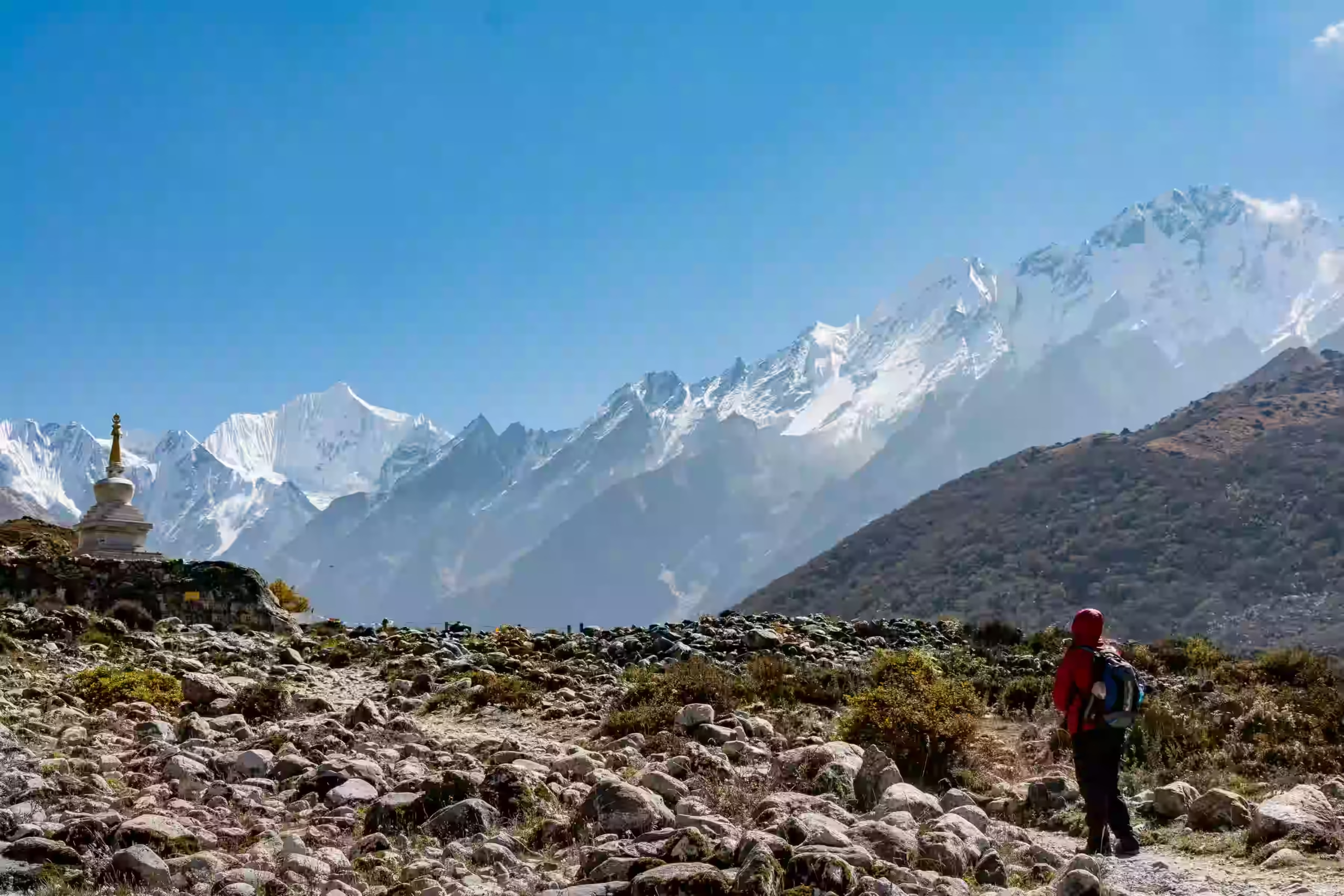
  • Hike to Tserko Ri or Kyanjin Ri for wide views of Langtang Lirung, Yala Peak, Gangchempu, glaciers, and nearby Himalayan ranges.
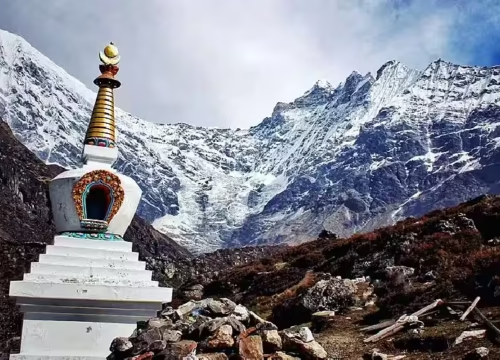
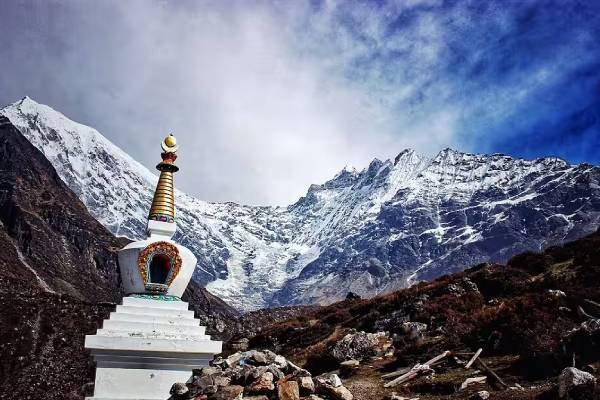
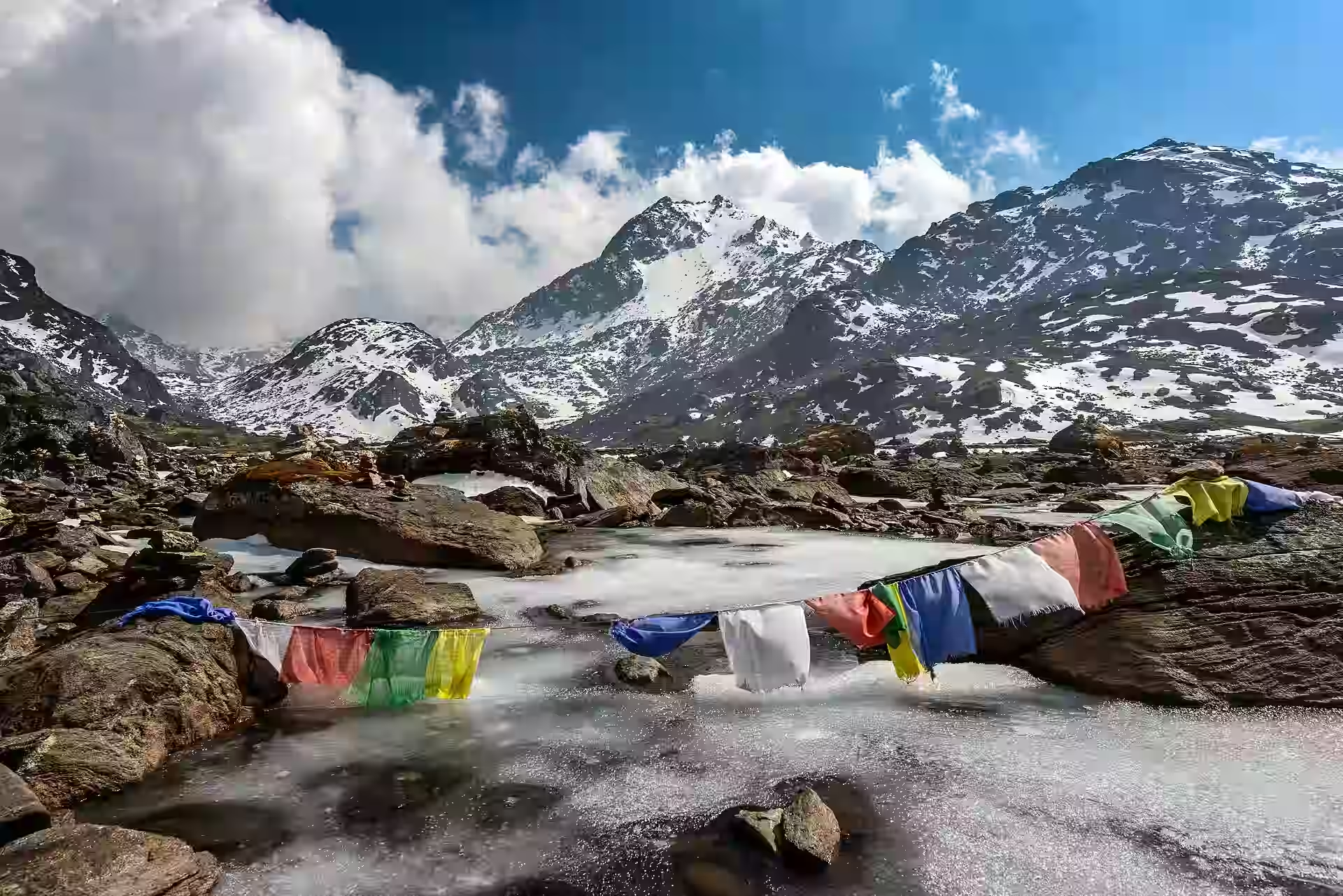
  • Experience Tamang villages with stone houses, Buddhist prayer flags, mani walls, chortens, and local mountain culture.
  • Trek through Thulo Syabru, Sing Gompa/Chandanbari, Cholangpati, and Lauribina toward the Gosaikunda lake area.
  • Reach Gosaikunda Lake, Nepal's sacred alpine lake and the main spiritual highlight of the trek.
  • Hike to Surya Peak for the best high viewpoints on the Langtang Gosaikunda route.
  • See mountain views of Langtang Lirung, Ganesh Himal, Dorje Lakpa, Yala Peak, Gangchempu, and nearby Tibetan ranges.

Tour Plan

You arrive at Tribhuvan International Airport in Kathmandu, where our team meets you and transfers you to the hotel. After check-in, you get time to rest, freshen up, or take a short walk around Thamel.

Later, our trekking guide meets you for a short briefing. The briefing covers the Langtang Gosaikunda Trek route, daily walking plan, road condition, permits, packing needs, altitude safety, and the next day's drive to Syabrubesi.

  • Drive duration: 25 to 30 minutes

  • Drive distance: 5 to 7 km / 3.1 to 4.3 miles, depending on the hotel location

Note: Use this day to rest, check your gear, and buy any missing trekking items in Kathmandu.
You leave Kathmandu after breakfast and drive north toward Syabrubesi. The road follows the Trishuli River and passes hillside towns, terraced fields, river valleys, and small settlements before entering the Langtang region.

You travel through Trishuli Bazaar and continue toward Syabrubesi. Some sections of the road are rough, so the drive feels long but scenic. Once you reach Syabrubesi, you settle in and prepare for the first trekking day.

  • Drive duration: 8 to 9 hours

  • Drive distance: 120 to 125 km / 74.6 to 77.7 miles

  • Maximum altitude: 1,470m / 4,823ft

  • Elevation gain: +70m / +230ft

Note: Keep water, snacks, a rain cover, and light essentials in your day bag because the road has bumpy sections.

Your trek starts from Syabrubesi as you walk through the village and cross a suspension bridge. The trail then follows the upstream route of the Langtang Khola and enters forested sections.

You continue through riverside paths and reach Pairo after a steady climb. From there, the trail moves deeper through the forest toward Bamboo. The final section climbs more steeply before you reach Lama Hotel, a quiet stop surrounded by woodland.

  • Trek duration: 5 to 6 hours

  • Trek distance: 10 to 12 km / 6.2 to 7.5 miles

  • Maximum altitude: 2,324m / 7,625ft

  • Elevation gain: +854m / +2,802ft

Note: This is the first walking day, so keep a slow pace and avoid pushing too hard on the uphill sections.

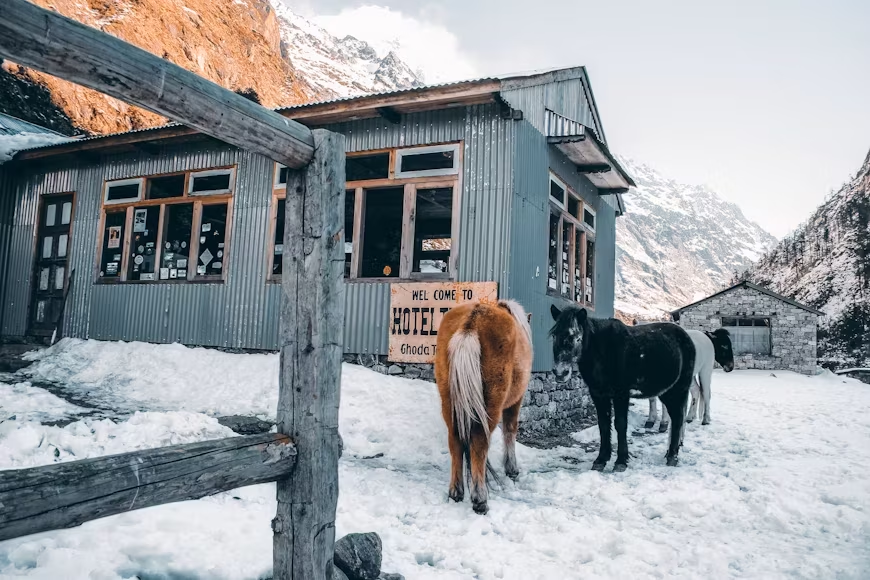
You leave Lama Hotel and continue through forest trails toward Gumnachok and Ghoda Tabela. As you gain altitude, the valley slowly opens, and you begin to see Langtang Lirung and nearby peaks.

After Ghoda Tabela, the route passes yak pastureland, forest sections, and small settlements such as Thangshyap and Chyamki. You then move toward Langtang Village and continue to Mundu. Along the way, you see waterfalls, mountain slopes, and the wider upper Langtang Valley.

  • Trek duration: 6 to 7 hours

  • Trek distance: 14 to 16 km / 8.7 to 9.9 miles

  • Maximum altitude: 3,543m / 11,624ft

  • Elevation gain: +1,219m / +4,000ft

Note: This day has a large altitude gain, so drink enough water and notify the trekking guide if you feel a headache, dizziness, or unusual tiredness.

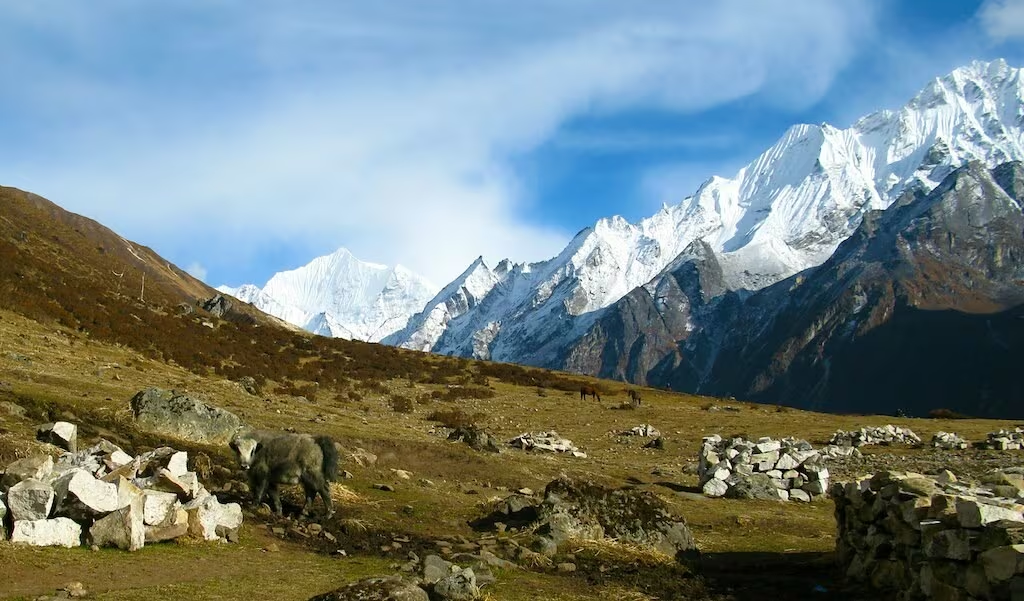
This day’s walk is shorter, but the scenery becomes more open and dramatic. You pass yak pastureland, mani walls, prayer wheels, and stone-built settlements as you move deeper into the upper Langtang Valley.

You reach Kyanjin Gompa by lunchtime and get the afternoon to explore the village. You visit the monastery, walk around the settlement, and see the local cheese factory. From here, you can also enjoy close views of Langtang Lirung, Gangchempu, Naya Kanga, and surrounding peaks.

  • Trek duration: 3 to 4 hours

  • Trek distance: 6 to 7 km / 3.7 to 4.3 miles

  • Maximum altitude: 3,870m / 12,697ft

  • Elevation gain: +327m / +1,073ft

Note: Walk gently to Kyanjin Gompa and give your body time to adjust before the next day's high viewpoint hike.

You start early from Kyanjin Gompa for the main viewpoint hike of the Langtang Valley section. Based on fitness, weather, and trail conditions, our trekking guide helps choose the better option between Tserko Ri and Kyanjin Ri.

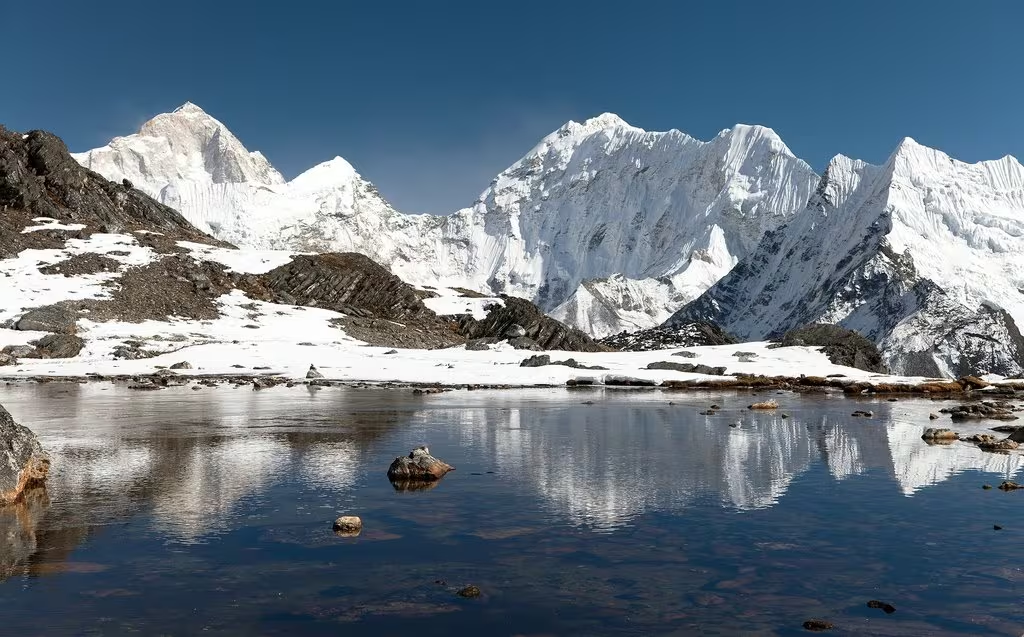
Tserko Ri is higher and more demanding, while Kyanjin Ri is shorter and still gives excellent mountain views. As you climb, the valley drops below, and the peaks open around you. From either viewpoint, you see Langtang Lirung, Naya Kanga, Gangchempu, Ganja La range, Yala Peak, Langshisha Ri, glaciers, and nearby snowy ridges. You then return to Kyanjin Gompa for the night.

  • Trek duration: 4 to 6 hours

  • Trek distance: 6 to 10 km / 3.7 to 6.2 miles, depending on the viewpoint

  • Maximum altitude: Tserko Ri, 5,033m / 16,512ft or Kyanjin Ri, 4,773m / 15,659ft

  • Elevation gain/loss: Tserko Ri, +1,163m / +3,815ft, then -1,163m / -3,815ft; Kyanjin Ri, +903m

Note: Carry warm layers, water, snacks, sunglasses, and a windproof jacket. Take a packed lunch if you plan to spend more time at the viewpoint.

You leave Kyanjin Gompa and follow the same valley trail back down toward Lama Hotel. The route passes Langtang Village, Thangshyap, Ghoda Tabela, and forested sections.

The descent feels easier because you are losing altitude, but the trail is still long. You continue along familiar paths, cross riverside sections, and return to Lama Hotel by afternoon.

  • Trek duration: 5 to 6 hours

  • Trek distance: 20 to 22 km / 12.4 to 13.7 miles

  • Maximum altitude: 3,870m / 12,697ft

  • Elevation loss: -1,546m / -5,072ft

Note: Use trekking poles if your knees feel pressure during the long downhill walk.

You continue down through forest trails until reaching Pairo. After this section, you leave the direct trail to Syabrubesi and climb toward Thulo Syabru.

The climb to Thulo Syabru is steep in places, but the village rewards you with beautiful views of Langtang Lirung, Ganesh Himal, and the surrounding hills. In the evening, you can walk around the village or visit the local monastery.

  • Trek duration: 5 to 6 hours

  • Trek distance: 10 to 12 km / 6.2 to 7.5 miles

  • Maximum altitude: 2,324m / 7,625ft

  • Net Elevation loss: -64m / -210ft, with mixed ascent and descent

Note: Follow your guide at the trail junctions because this day leaves the main Syabrubesi route and connects toward the Gosaikunda side.

You leave Thulo Syabru and climb steeply toward Phoprang Danda. The trail passes hillside sections and gives wide views of Ganesh Himal on a clear day.

After Phoprang Danda, you continue through the blue pine forest and quiet uphill paths before reaching Sing Gompa, also known as Chandanbari. This village is known for its monastery and yak cheese factory, making it a peaceful cultural stop before the higher Gosaikunda trail.

  • Trek duration: 4 to 5 hours

  • Trek distance: 7 to 13 km / 4.3 to 8.1 miles

  • Maximum altitude: 3,330m / 10,925ft

  • Elevation gain: +1,070m / +3,510ft

Note: Climb slowly, take short breaks, and keep your warm layer accessible as the trail gains altitude.

You leave Sing Gompa and climb through Cholangpati toward Lauribina. As you gain height, the forest becomes thinner and the views open toward Langtang, Ganesh Himal, and nearby ridges.

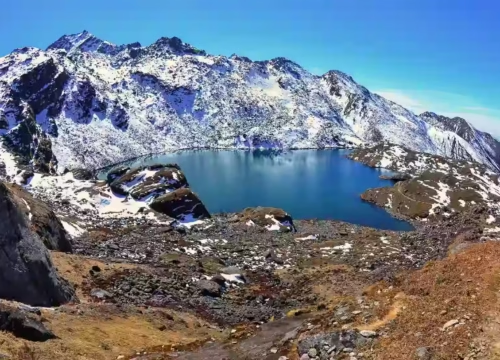
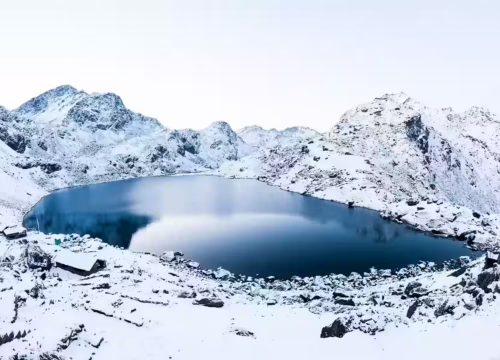
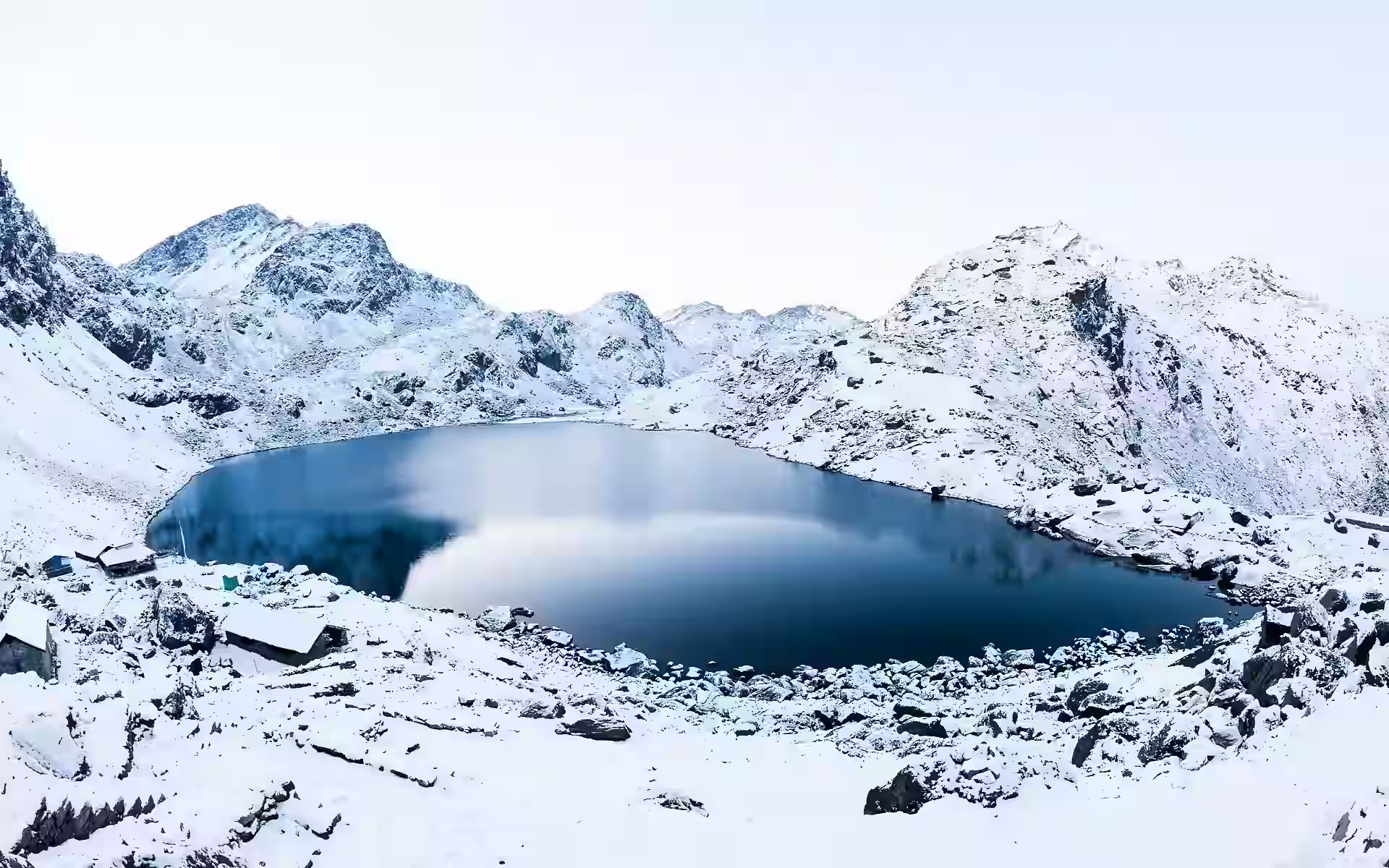
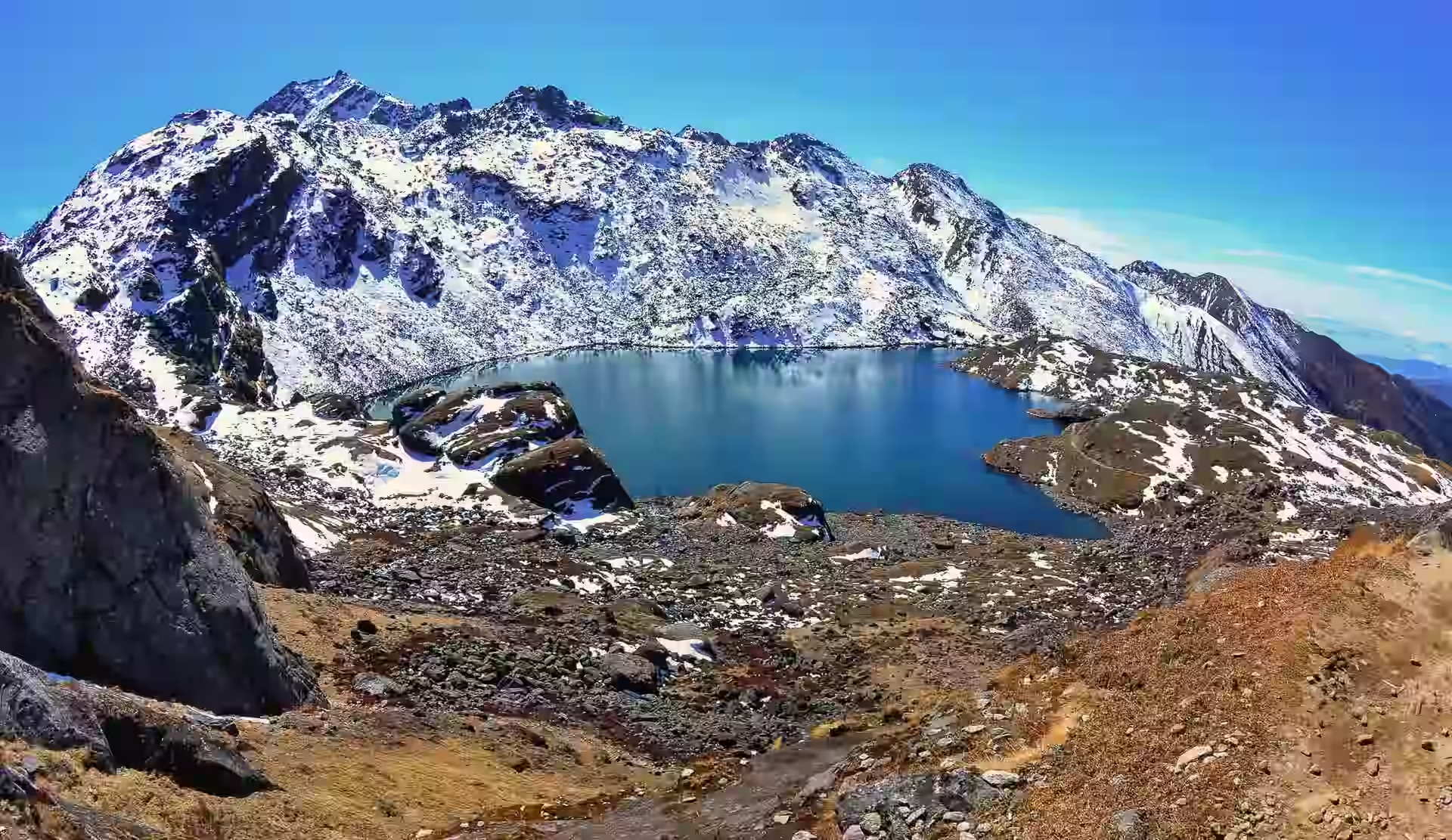
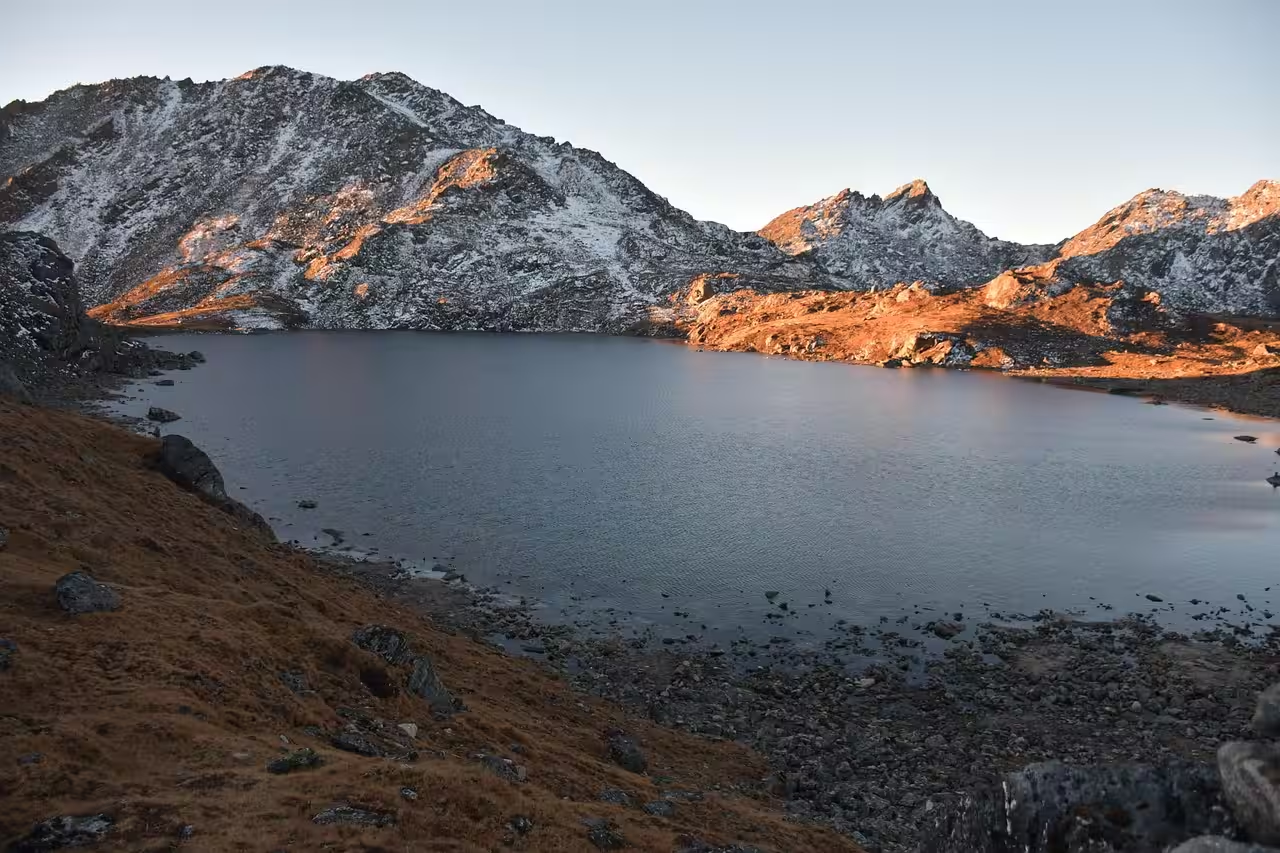
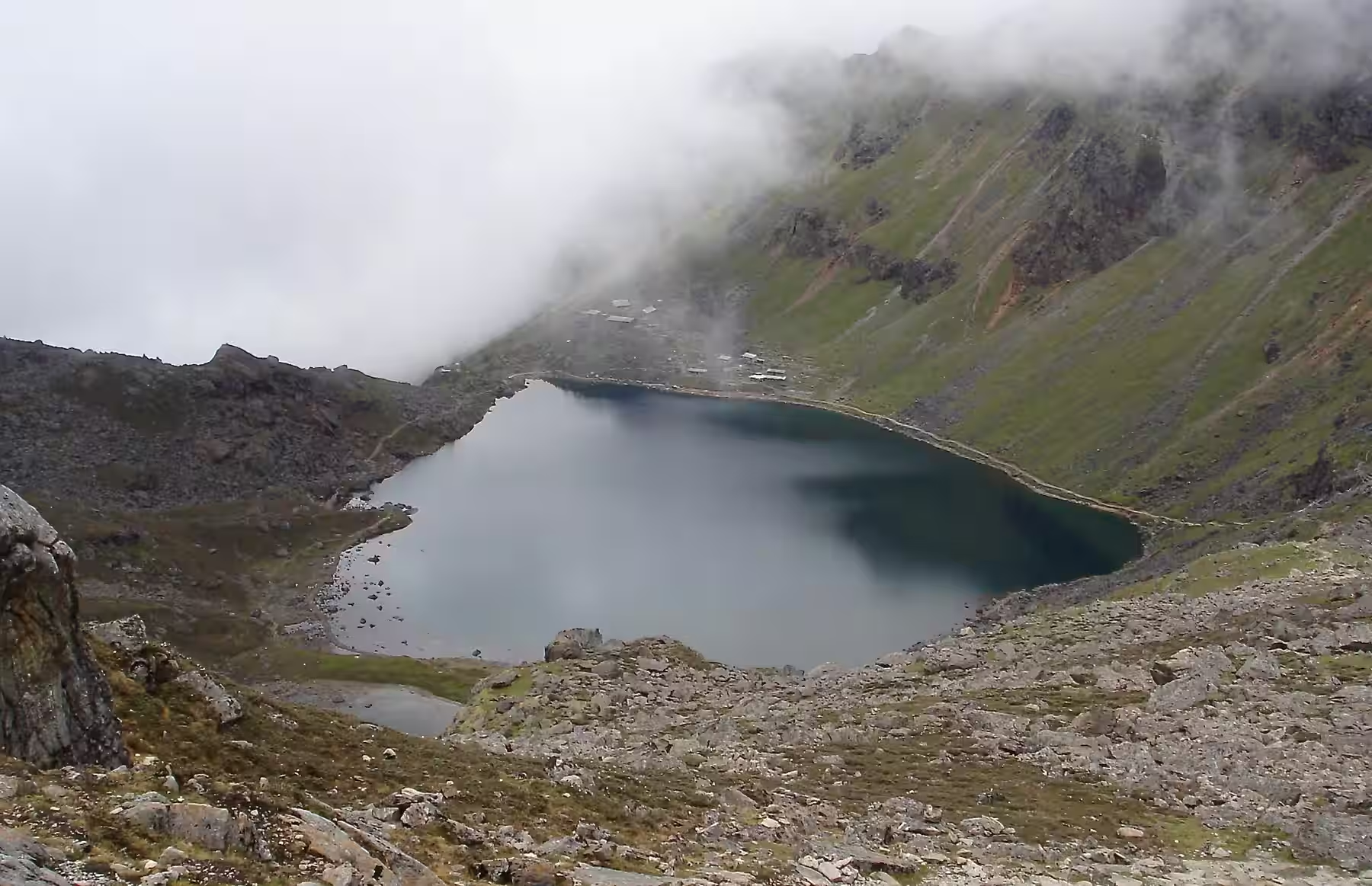
From Lauribina, you continue on a rugged alpine trail with rocky paths, open slopes, and smaller lakes along the way. After the final uphill section, you reach Gosaikunda Lake at 4,380m / 14,370ft, another main destination of the Langtang Gosaikunda Trek.

Once you arrive, you get time to walk around the lake area, take photos, and enjoy the peaceful mountain setting. Gosaikunda is among Nepal’s sacred high-altitude lakes and is visited by Hindu and Buddhist pilgrims, especially during Janai Purnima. The lake sits in a quiet basin surrounded by rocky ridges, prayer flags, and smaller alpine lakes.

  • Trek duration: 4 to 5 hours

  • Trek distance: 9 to 11 km / 5.6 to 6.8 miles

  • Maximum altitude: 4,380m / 14,370ft

  • Elevation gain: +1,050m / +3,445ft

Note: This is the highest overnight stop of the trek, so stay warm, drink enough water, and avoid rushing near the lake.

You start early from Gosaikunda and hike toward Surya Peak, the highest point of this itinerary. The trail climbs above the sacred lake area and gives wide views of the surrounding ridges, lake chain, and snowy peaks.

From Surya Peak, you see the Langtang range, Ganesh Himal, nearby valleys, and the high lakes around Gosaikunda. After enjoying the view, you return toward the lake area and descend to Cholangpati. This descent takes you to a lower sleeping altitude, which helps your body recover after the high hike.

  • Trek duration: 6 to 8 hours

  • Trek distance: 10 to 13 km / 6.2 to 8 miles

  • Maximum altitude: Surya Peak, 5,145m / 16,880ft

  • Elevation gain/loss: +765m / +2,510ft, then -1,491m / -4,891ft

Note: Start early, carry enough water and warm layers, and follow your guide's decision if snow, wind, poor visibility, or altitude symptoms affect the Surya Peak hike.

After leaving Cholangpati, you begin the long descent toward Dhunche. The trail passes Lauribinayak, Chandanbari, forest sections, and hillside paths as you move back toward the lower valley.

As you descend, the cold alpine landscape changes into forest and village scenery. You continue down, cross the Trishuli Khola area, and reach Dhunche, the final trekking stop of the route.

  • Trek duration: 6 to 7 hours

  • Trek distance: 11 to 13 km / 6.8 to 8.1 miles

  • Maximum altitude: 3,654m / 11,988ft

  • Elevation loss: -1,704m / -5,591ft

Note: This is a long downhill day, so walk carefully and protect your knees on steep sections.

You leave Dhunche after breakfast and drive back to Kathmandu by a private vehicle. The road follows hill towns, river valleys, and rural settlements before reaching Trishuli Bazaar.

After a lunch stop on the way, you continue toward Kathmandu on a smoother road section. Once you arrive in the city, our team transfers you to the hotel included in the package. In the evening, a farewell dinner is arranged to celebrate the completion of your Langtang Gosaikunda Trek.

  • Drive duration: 5 to 6 hours

  • Drive distance: 115 to 120 km / 71.5 to 74.6 miles

  • Maximum altitude: 1,950m / 6,398ft

  • Elevation loss: -550m / -1,805ft

Note: Keep your passport, valuables, and important documents in your day bag during the drive.

Your 14-day Langtang Gosaikunda Trek ends in Kathmandu. Our team transfers you from the hotel to Tribhuvan International Airport according to the flight schedule.

If the flight is later in the day, you get time for a short walk, shopping, or rest before leaving for the airport. You return home with memories of Langtang Valley, Kyanjin Gompa, Gosaikunda Lake, Surya Peak, and the villages along the trail.

  • Drive duration: 25 to 30 minutes

  • Drive distance: 5 to 7 km / 3.1 to 4.3 miles, depending on the hotel location

Note: Arrive at the airport at least 3 hours before your international flight.

Cost Includes

Cost Excludes

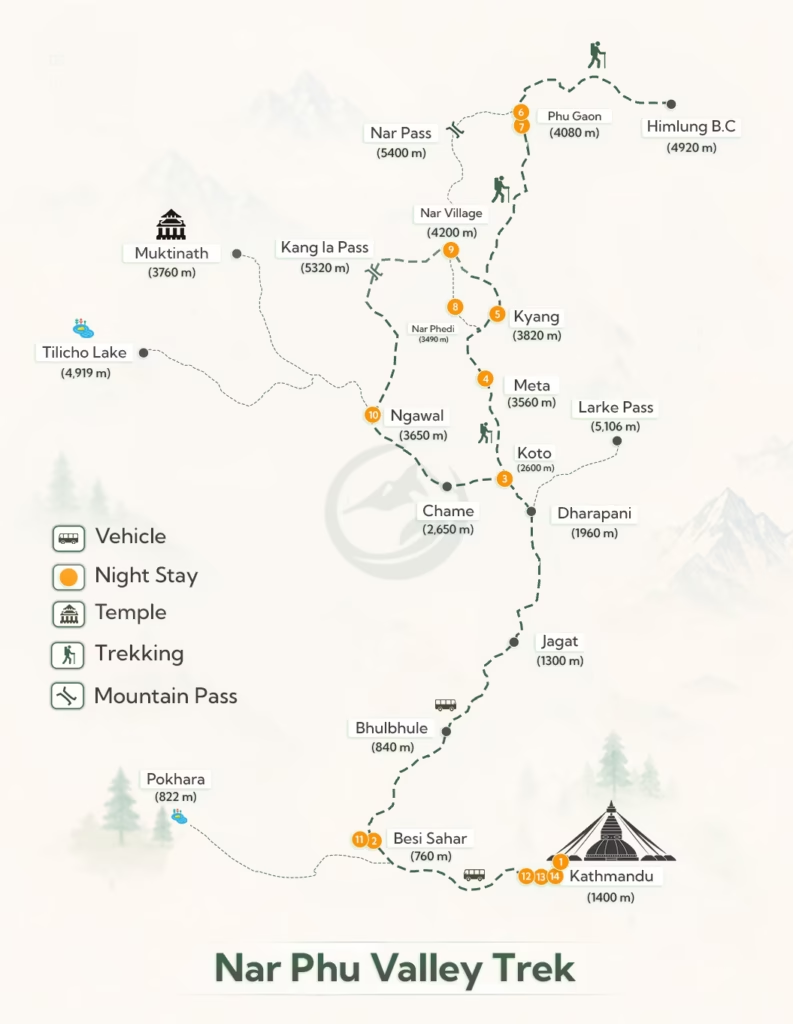
nar phu valley trek map
Location Day Night
Kathmandu 20°C to 28°C (68°F to 82°F) 8°C to 16°C (46°F to 61°F)
Syabrubesi 18°C to 25°C (64°F to 77°F) 7°C to 14°C (45°F to 57°F)
Lama Hotel 12°C to 20°C (54°F to 68°F) 2°C to 8°C (36°F to 46°F)
Langtang Village/Mundu Area 6°C to 16°C (43°F to 61°F) -3°C to 5°C (27°F to 41°F)
Kyanjin Gompa 2°C to 12°C (36°F to 54°F) -10°C to -5°C (14°F to 23°F)
Tserko Ri or Kyanjin Ri -3°C to 8°C (27°F to 46°F) -10°C to -5°C (14°F to 23°F)
Lama Hotel 5°C to 18°C (41°F to 64°F) 2°C to 8°C (36°F to 46°F)
Thulo Syabru 12°C to 20°C (54°F to 68°F) 3°C to 9°C (37°F to 48°F)
Sing Gompa/Chandanbari 6°C to 15°C (43°F to 59°F) -3°C to 4°C (27°F to 39°F)
Gosaikunda Lake 0°C to 10°C (32°F to 50°F) -10°C to -4°C (14°F to 25°F)
Surya Peak and Cholangpati -5°C to 5°C (23°F to 41°F) -6°C to 1°C (21°F to 34°F)
Dhunche 10°C to 20°C (50°F to 68°F) 3°C to 10°C (37°F to 50°F)
Kathmandu 20°C to 28°C (68°F to 82°F) 8°C to 16°C (46°F to 61°F)

Note: These temperatures are for peak trekking seasons, spring from March to May and autumn from September to November. Weather changes quickly in high-altitude areas, so carry warm layers throughout the trek.

Spring and autumn are the best seasons for the Langtang Gosainkunda Trek. Spring, from March to May, brings milder weather, fresh greenery, and rhododendron blooms in the lower forest areas. Autumn, from September to November, usually offers drier trails, steadier weather, and clearer mountain views.

Winter trekking is possible, but it is much colder in the upper sections. Areas near Kyanjin Gompa, Lauribina, Gosaikunda Lake, and Surya Peak have snow or icy trails. The monsoon months are less recommended because rain makes trails slippery, roads rough, and views cloudy.

Most nights on the Langtang Gosaikunda Trek are spent in local teahouses or guesthouses. The rooms are basic, with simple beds, yak blankets, and shared toilets. Facilities are more limited in higher places such as Kyanjin Gompa, Gosaikunda Lake, and Cholangpati.

Meals on the trail are simple, warm, and filling. You usually find dal bhat, noodles, fried rice, soup, potatoes, bread, eggs, tea, coffee, and local seasonal dishes. Menu options become fewer as the route moves higher and farther from road access.

Carry a small supply of snacks for extra energy. Energy bars, nuts, chocolate, and electrolyte powder are useful on longer days. They help most during hikes to Tserko Ri, Kyanjin Ri, Gosaikunda Lake, and Surya Peak.

The Langtang Gosaikunda Trek is a moderate to challenging trek. It does not involve technical climbing, but it does require good fitness. You should be ready for long walking days, steady uphill sections, forest trails, rocky paths, and high-altitude walking.

The harder parts include the climb to Gosaikunda Lake, the Surya Peak hike, altitude gain, and long downhill sections. The highest point is Surya Peak at 5,145m or 16,880ft, and the highest overnight stop is Gosaikunda Lake at 4,380m or 14,370ft.

A slow pace, enough water, warm layers, and guide support make the trek safer and more comfortable. This route is a good fit for prepared beginners and regular hikers who want valley scenery, Tamang culture, sacred lakes, and high mountain viewpoints.

The Langtang Gosaikunda Trek takes you from warm river valleys to cold high-altitude lake areas, so packing the right gear matters. Pack light, but carry enough layers for changing weather. Good packing keeps your walk comfortable without making your bag too heavy. 

Plan Your Langtang Gosaikunda Trek with Us!

Ready to walk through Langtang Valley, Kyanjin Gompa, Lauribina ridge, and the sacred Gosaikunda Lake? Get in touch with us to plan your 14-day Langtang Gosaikunda Trek with clear route details, safe pacing, permit support, and local guide service.

Frequently Asked Question

Is the Langtang Gosaikunda Trek difficult?

No, the Langtang Gosaikunda Trek is moderate to challenging. The route includes long walking days, steady climbs, forest trails, rocky sections, and high-altitude areas near Kyanjin Ri and Gosaikunda Lake. It is suitable for fit beginners and regular hikers who prepare well before the trek.

The Langtang Gosaikunda Trek usually takes 12 to 14 days, depending on the route and pace. This package follows a 14-day plan from Kathmandu, covering Langtang Valley, Kyanjin Gompa, Thulo Syabru, Chandanbari, Lauribina, Gosaikunda Lake, and Dhunche.

The highest point of the Langtang Gosaikunda trek is Surya Peak (5,145m / 16,880ft). The highest overnight point on the main route is Gosaikunda Lake at 4,380m / 14,370ft. Both areas are enough for altitude sickness risk, so slow walking and proper rest matter.

Gosaikunda Lake is located in Rasuwa District, inside Langtang National Park, north of Kathmandu. It sits on the Gosaikunda trekking route and is one of Nepal’s most popular and sacred lakes.

Yes, foreign nationals need a licensed guide for the Langtang Gosaikunda Trek, while hiring a guide is optional for local citizens. Since the route passes through Langtang National Park, foreign trekkers must arrange permits through a registered trekking agency. The guide helps with route safety, permit checks, and altitude awareness during the trek.

Yes, the Langtang Gosaikunda Trek is possible in 7 days only if trekkers take a helicopter flight out from Gosaikunda. Without a helicopter return, 7 days is too short for the full route, and the itinerary becomes very rushed. Since the trek covers both Langtang Valley and Gosaikunda Lake, adding more days is recommended for better acclimatization, a comfortable pace, and a safer trekking experience.

The Langtang Valley Trek focuses on Syabrubesi, Lama Hotel, Langtang Village, Kyanjin Gompa, and nearby viewpoints. The Langtang Gosaikunda Trek includes the Langtang Valley route and then continues toward Thulo Syabru, Chandanbari, Lauribina, and Gosaikunda Lake. So, it is longer, higher, and more varied.

The Langtang Gosaikunda Trek cost usually ranges from $600 to $1200 per person. However, the final cost depends on group size, transport, hotel standard, guide, porter, meals, permits, and included services. Contact us with your travel date and group size for the latest package price and cost breakdown.

Yes, snowfall occurs in higher areas such as Kyanjin Gompa, Kyanjin Ri, Lauribina, and Gosaikunda Lake, mainly in winter. Snow is also possible in late autumn or early spring during sudden weather changes.

Yes, the Langtang Gosaikunda Trek is better if you want a longer and more complete route. A direct Gosaikunda Trek mainly focuses on the sacred lake, while this itinerary also includes Langtang Valley, Kyanjin Gompa, Tamang villages, forest trails, high viewpoints, and Surya Peak.

Ready to Trek the Langtang Gosaikunda Route?

Share your travel dates, group size, and trekking experience with us. Our local team will help you plan the best 14-day Langtang Gosaikunda Trek with clear details on pacing, permits, road transport, accommodation, meals, and guide support.

    Related trips you might interested in