Annapurna Base Camp Trek 10 Days | Itinerary & Cost Joyful Eco Treks | Nepal’s Best Trek and Tours Packages

Annapurna Base Camp Trek | 10 Days

Annapurna, Gandaki Province, Nepal

10 Days

Trek-region

Annapurna Sanctuary

Group Size

1-12 (Private & Small Group)

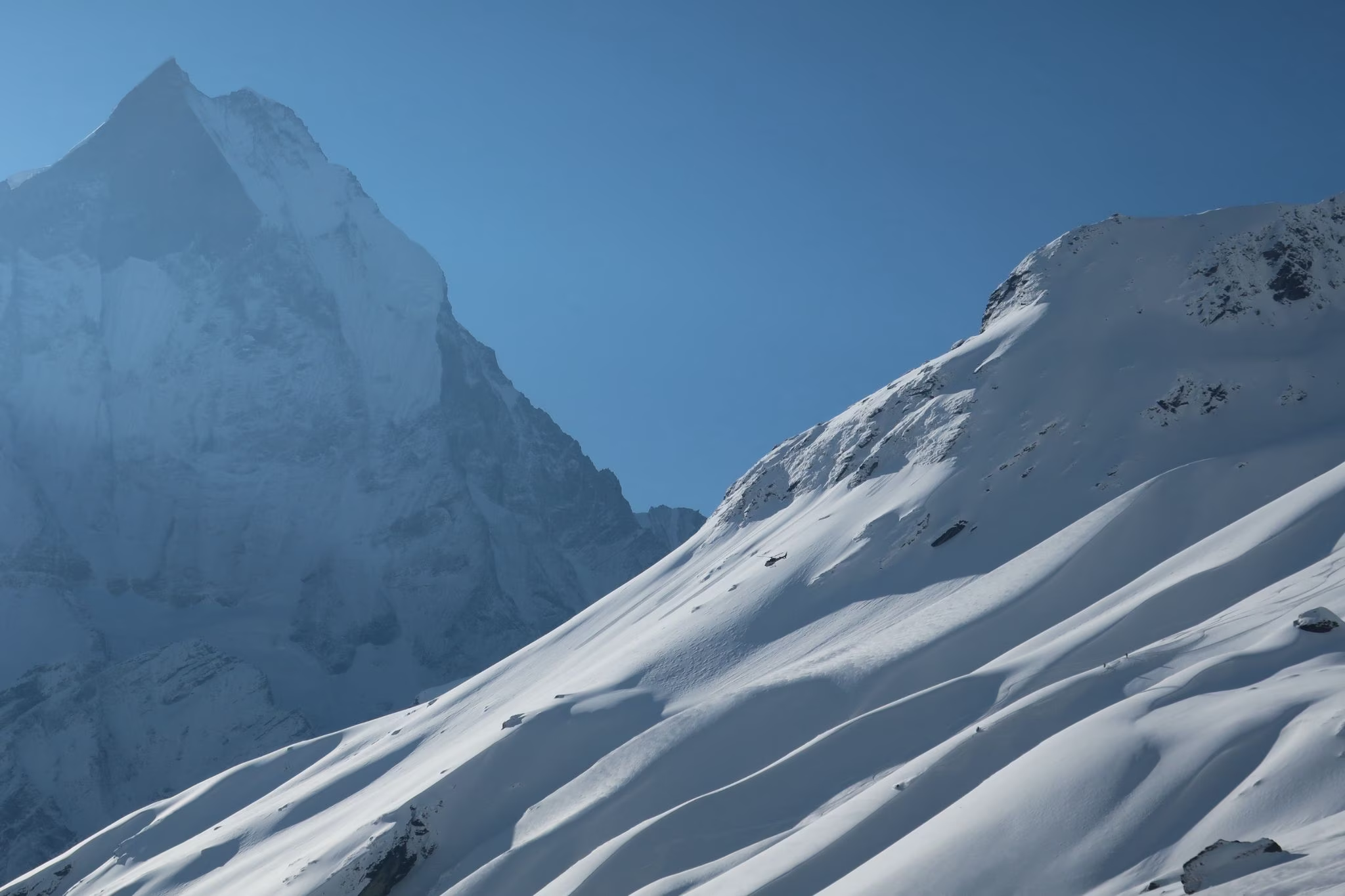
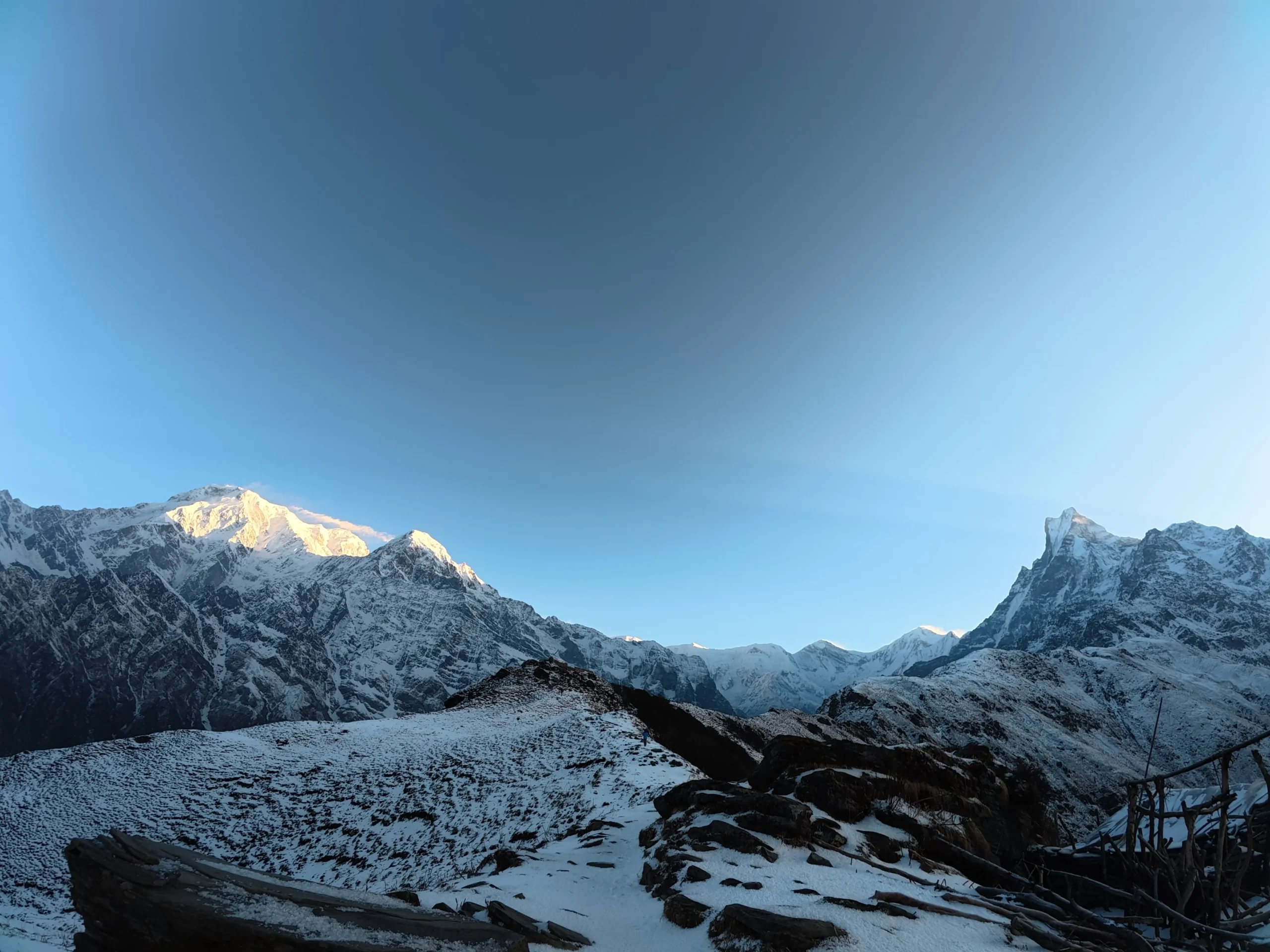
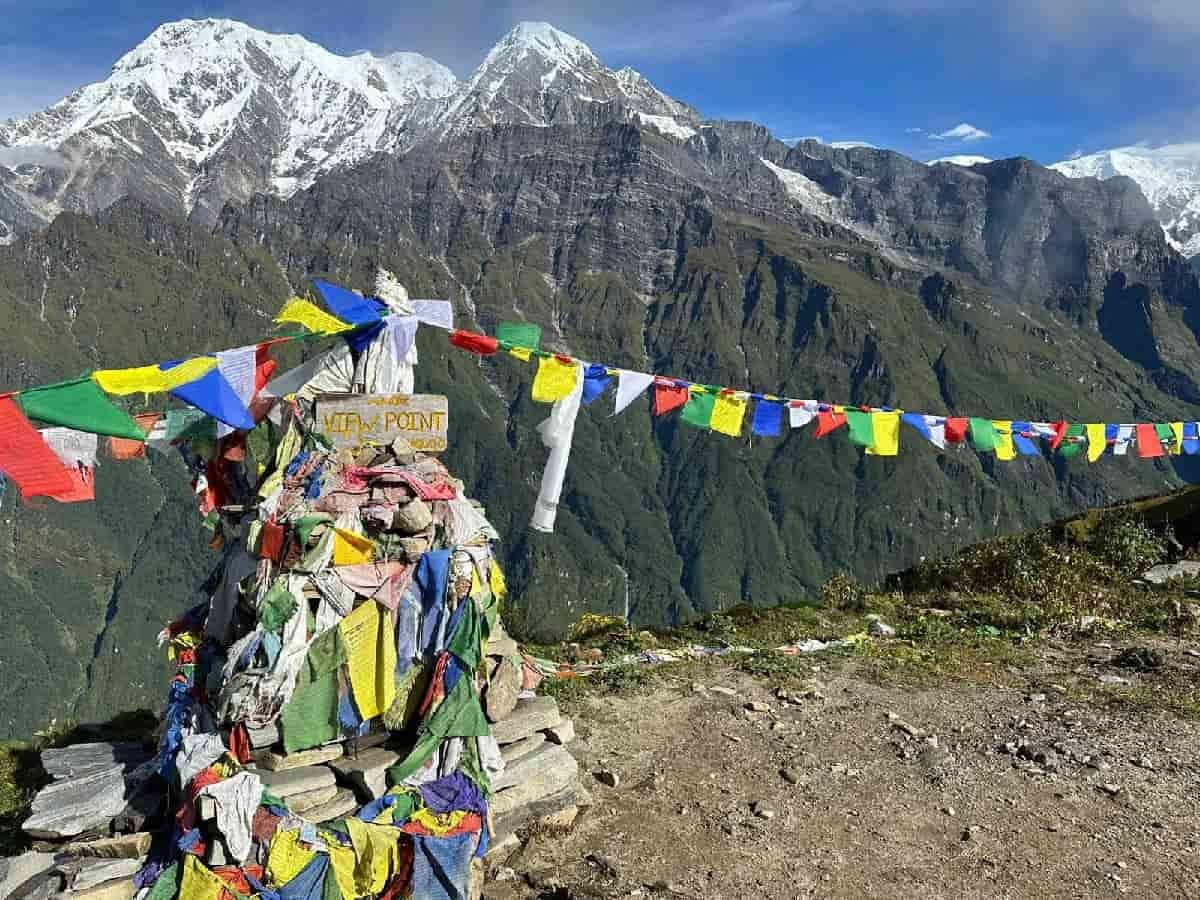
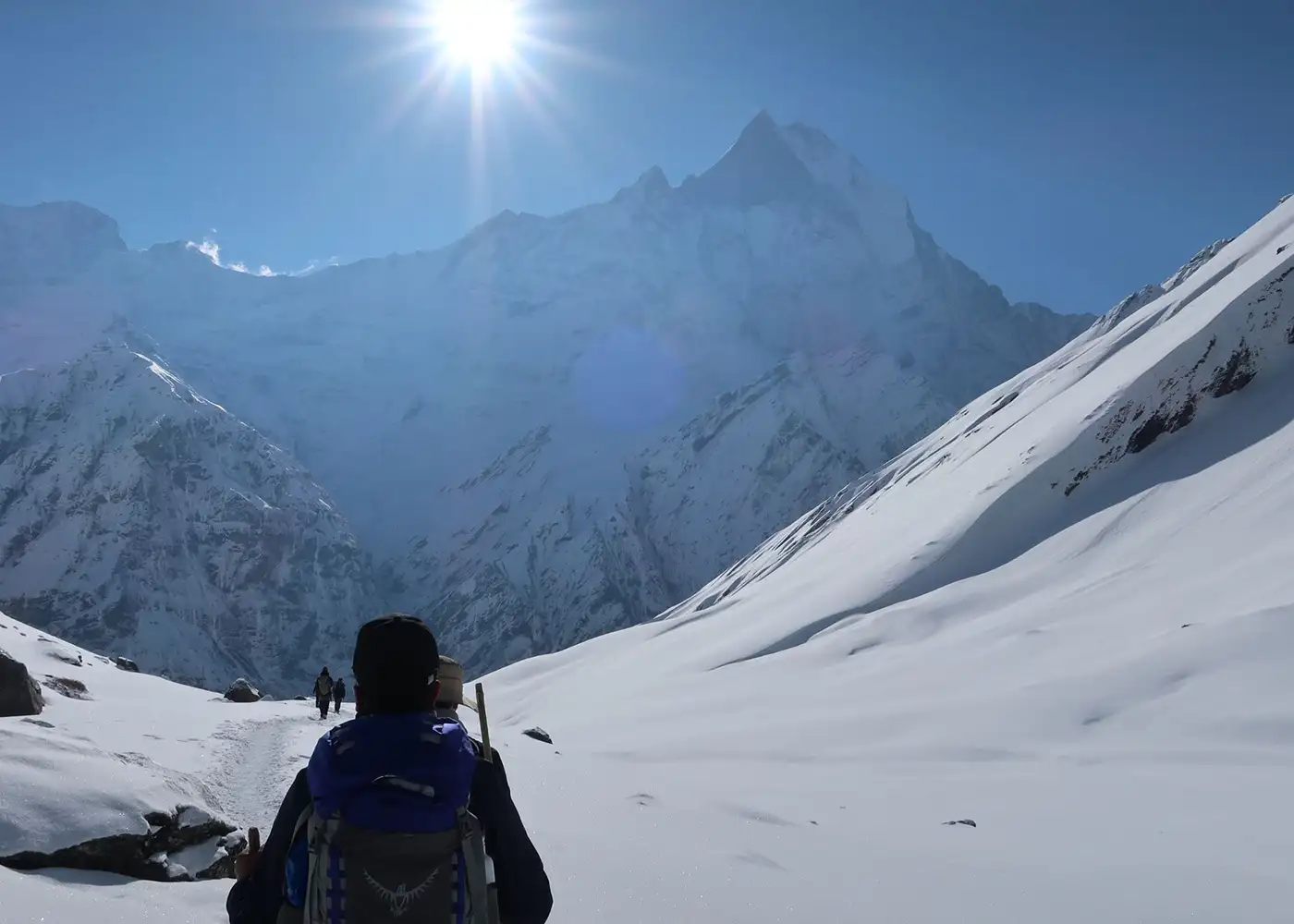
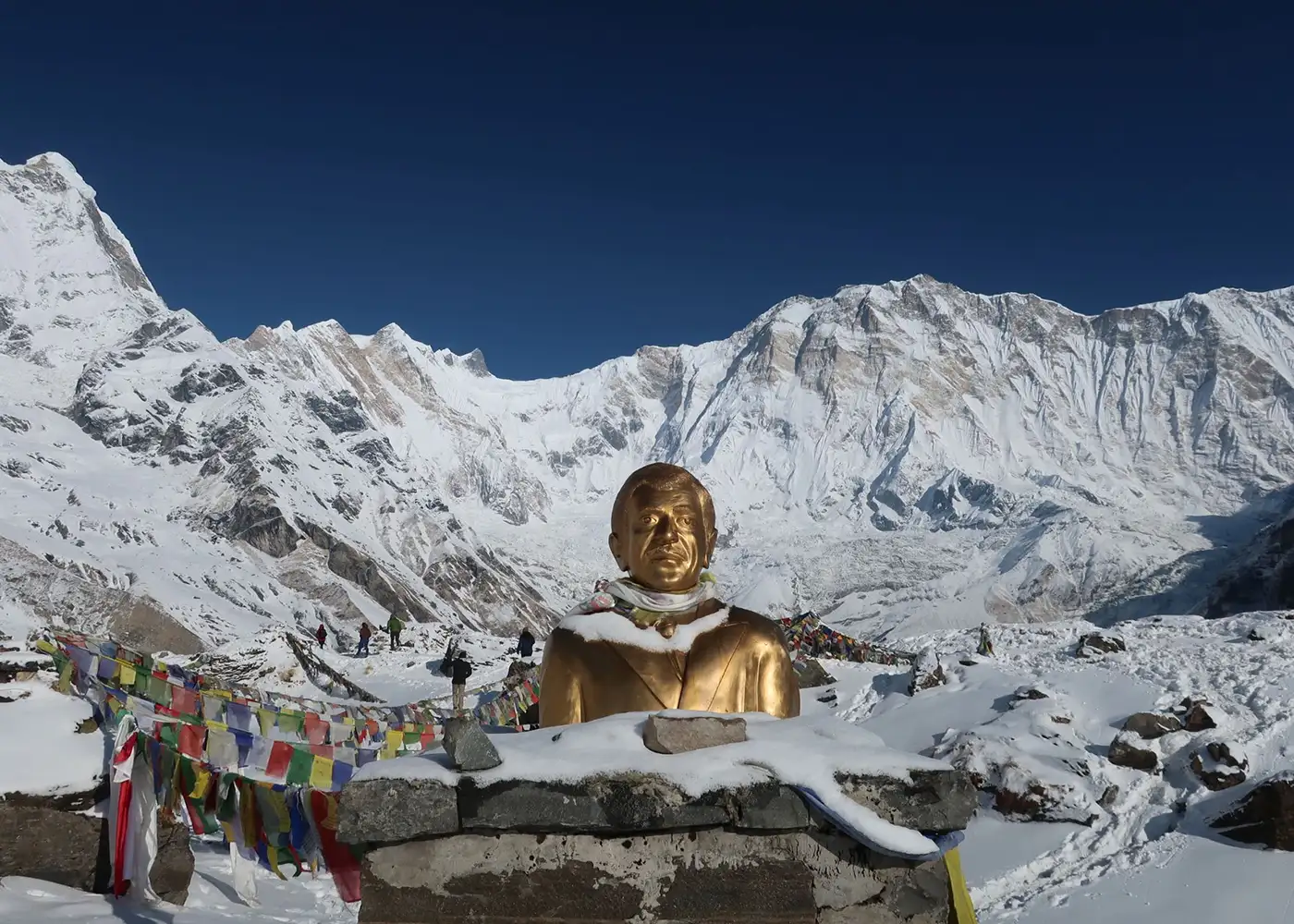
The Annapurna Base Camp Trek is a direct Himalayan route that leads from the lower hills near Pokhara into the Annapurna Sanctuary. The journey passes through Gurung villages, bamboo forests, river valleys, stone stairways, high alpine terrain, and a natural mountain basin surrounded by Annapurna I, Annapurna South, Hiunchuli, Machhapuchhre, Gangapurna, and other peaks.

This 10-day itinerary follows the route from Kathmandu to Pokhara, Samrong, Chhomrong, Dovan, Deurali, Machhapuchhre Base Camp, and Annapurna Base Camp. The return trail leads through Bamboo and Jhinu Danda before driving back to Pokhara and Kathmandu, making it a direct option without adding Ghorepani or Poon Hill.

Trip Info 

  • Jhinu Danda, followed by a drive to Pokhara
  • Approximately 55 to 65 km / 34 to 40 miles
  • Approx. 70 to 90 km round trip
  • Trekking, hiking, and scenic road travel
  • Moderate to challenging
  • March to May and September to November
  • Annapurna Base Camp, 4,130m / 13,550ft
  • 3 to 7 hours
  • Annapurna Conservation Area Permit and TIMS card, where required
  • Hotels in Kathmandu and Pokhara; local teahouses during the trek
  • Breakfast, lunch, and dinner during trekking days
  • Licensed trekking guide and porter service available; one porter for two trekkers

Why Choose the Annapurna Base Camp Trek

The Annapurna Base Camp Trek is a strong choice for travelers who want close Himalayan views without committing to a longer circuit route. The trail leads directly into the Annapurna Sanctuary, where Annapurna I, Annapurna South, Hiunchuli, Machhapuchhre, and Gangapurna rise around the high mountain basin.

The route also offers a good mix of village life, forest trails, suspension bridges, stone stairways, and alpine scenery. Overnight stops in Chhomrong, Dovan, and Deurali create a steady altitude progression, while the stay at base camp gives you time to enjoy both the evening views and sunrise over the surrounding peaks.

Trek Highlights 

  • Reach Annapurna Base Camp at 4,130m / 13,550ft.
  • Walk into the natural mountain basin of the Annapurna Sanctuary.
  • See Annapurna I, Annapurna South, Hiunchuli, Gangapurna, and Machhapuchhre.
  • Follow the classic route through Chhomrong, Dovan, Deurali, and Bamboo.
  • Pass through rhododendron, bamboo, and alpine forest sections.
  • Walk beside the Modi Khola and its upper river valleys.
  • Visit Machhapuchhre Base Camp before continuing to ABC.
  • Stay overnight at Annapurna Base Camp.
  • Walk through the Gurung village of Chhomrong.
  • Visit Jhinu Danda and its natural hot spring area.
  • Complete a direct route without adding Ghorepani or Poon Hill.
  • Spend time in both Kathmandu and Pokhara.

Tour Plan

You arrive at Tribhuvan International Airport in Kathmandu, where our team welcomes you and transfers you to a 3-star hotel. After checking in, you can rest from your international flight or walk around the nearby streets of Thamel.

Later, you meet your guide for a short trek briefing. The guide explains the Annapurna Base Camp Trek itinerary, road transfers, daily walking hours, accommodation, meals, packing requirements, permits, and altitude safety.

  • Trip duration: 25 to 30 minutes, vehicle ride from the airport to your hotel

  • Drive duration: Approx. 6 km / 3.7 miles (depending on your hotel's location)

Note: Keep your passport, travel insurance, and passport-size photographs ready for permit processing.
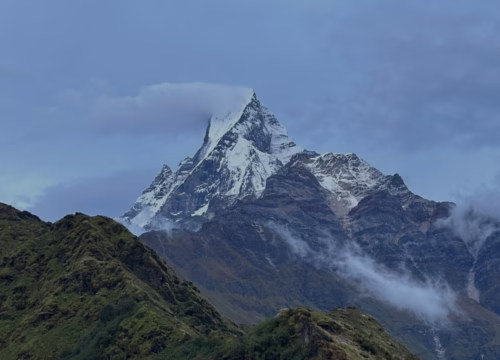
Your journey begins with a morning drive from Kathmandu to Pokhara. The road follows river valleys and passes terraced fields, forested hills, roadside settlements, and busy market towns along the Prithvi Highway.

After reaching Pokhara, our team will transfer you to your hotel. You can rest after the drive or take a short walk beside Phewa Lake while preparing for the trek.

  • Drive duration: 6 to 8 hours

  • Drive distance: Approx. 200 km / 124 miles

Note: Traffic, road repairs, and highway conditions may affect the arrival time in Pokhara.

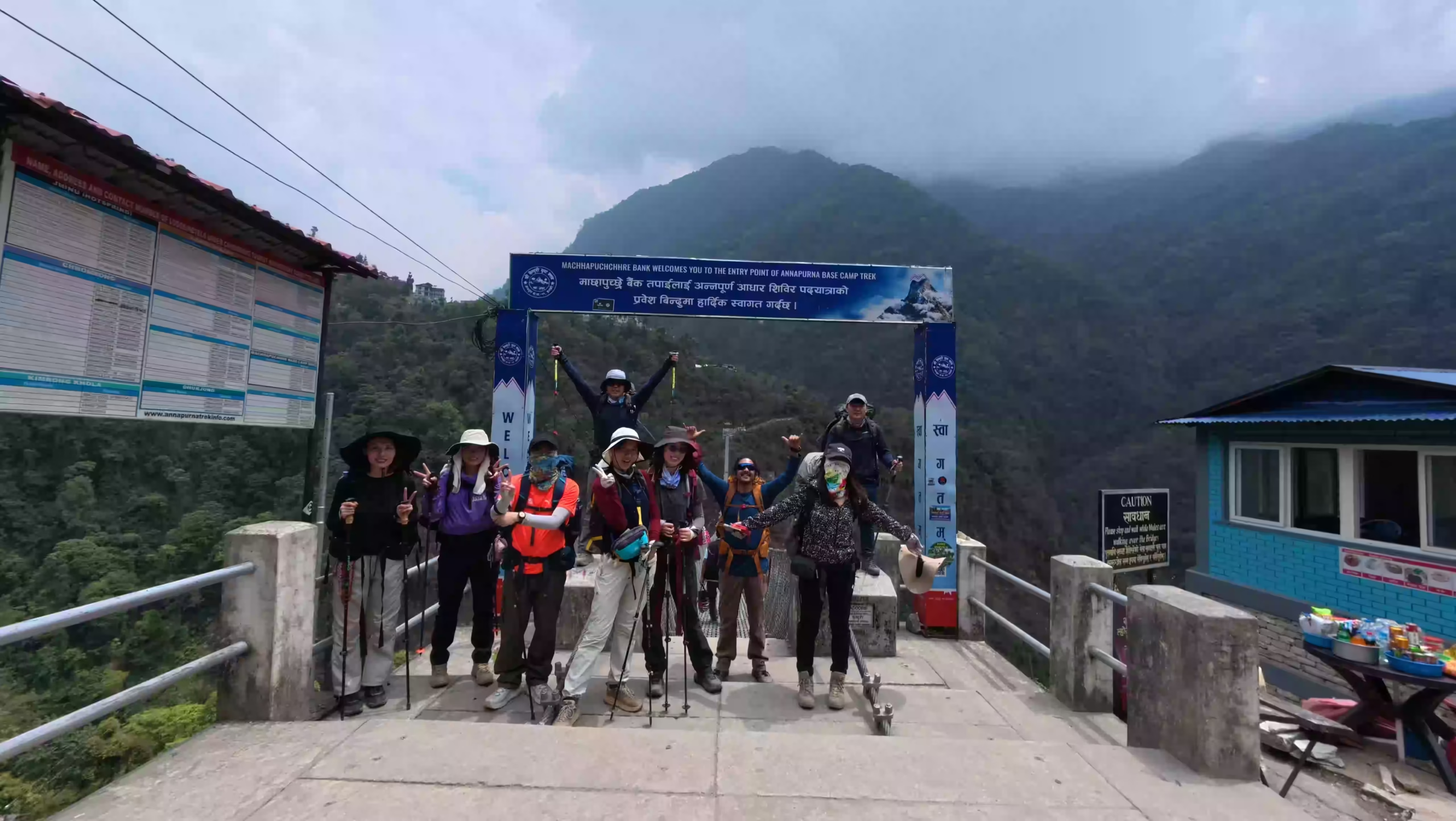
You leave Pokhara in the morning and drive toward Samrong through Nayapul, Birethanti, Siwai, and nearby hill settlements. The paved road gradually changes into a rough mountain track as you enter the lower Annapurna region.

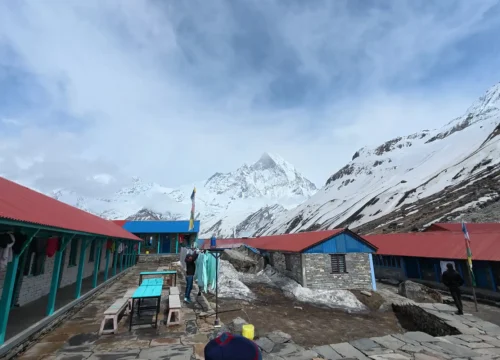
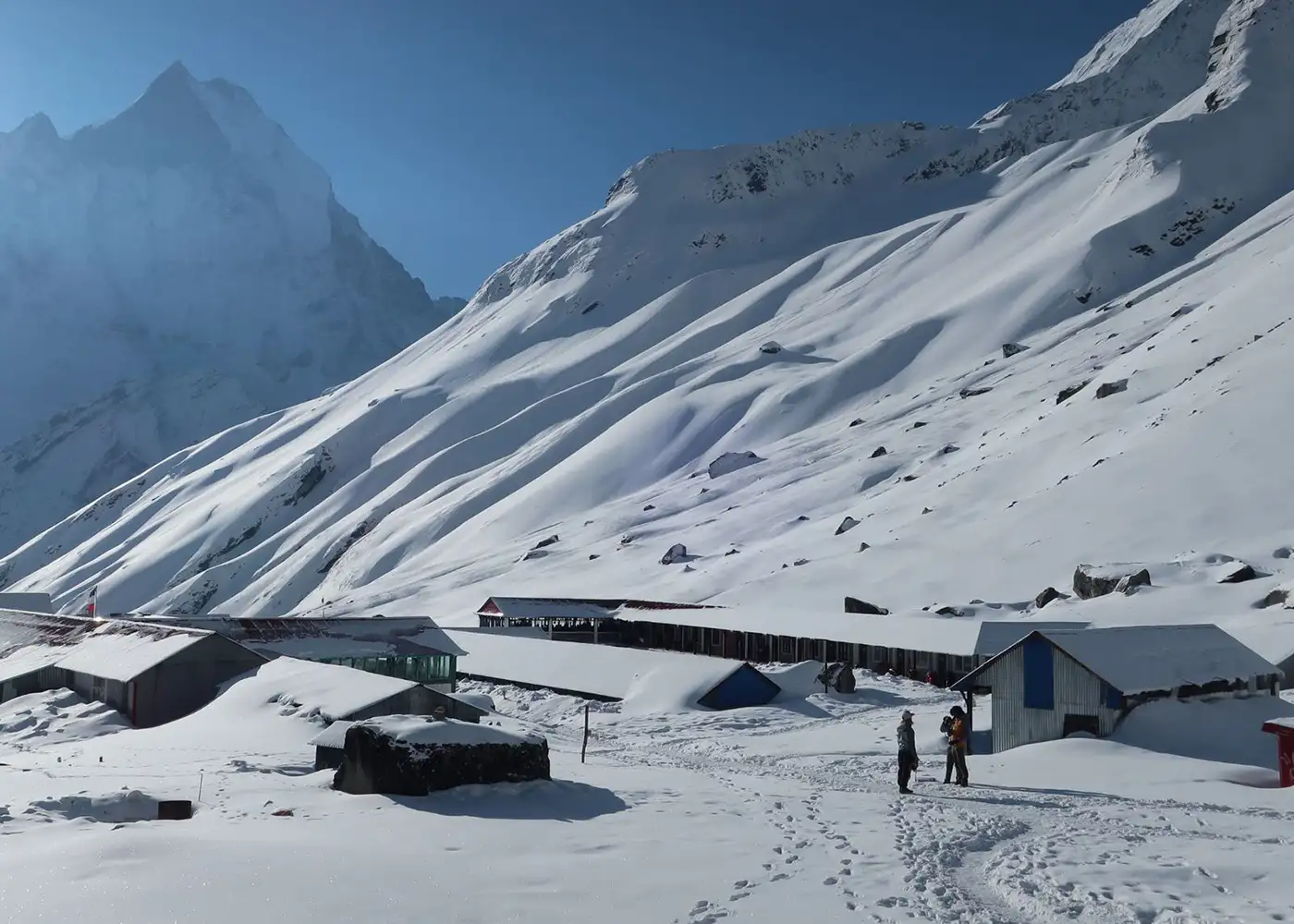
From Samrong, you begin walking uphill toward Chhomrong, a large Gurung village overlooking Annapurna South and Machhapuchhre. After reaching the village, you settle into the teahouse and enjoy the surrounding mountain and valley views.

  • Drive duration: 3 to 4 hours

  • Drive distance: Approx. 65 to 75 km / 40 to 47 miles

  • Trek duration: 2 to 3 hours

  • Trek distance: Approx. 3 to 4 km / 1.9 to 2.5 milest

  • Maximum altitude: 2,170m / 7,119ft

  • Elevation gain: Approx. +600m / +1,969ft

Note: Keep water, rain protection, and a light jacket in your daypack because mountain weather changes quickly.

You begin with a long descent down stone steps from Chhomrong to the Chhomrong Khola. After crossing the suspension bridge, the trail climbs steadily through Lower Sinuwa and Upper Sinuwa before entering a quieter forest section.

The route continues through rhododendron and bamboo forests before passing Bamboo village and reaching Dovan. The day includes several steep climbs and descents, making it harder than the total elevation gain may suggest.

  • Trek duration: 6 to 7 hours

  • Trek distance: Approx. 11 to 12 km / 6.8 to 7.5 miles

  • Maximum altitude: 2,600m / 8,530ft

  • Elevation loss: Approx. +700m / +2,297ft

  • Elevation loss: Approx. -270m / -886ft

Note: Use trekking poles on the steep Chhomrong stairways and walk carefully on wet forest sections.

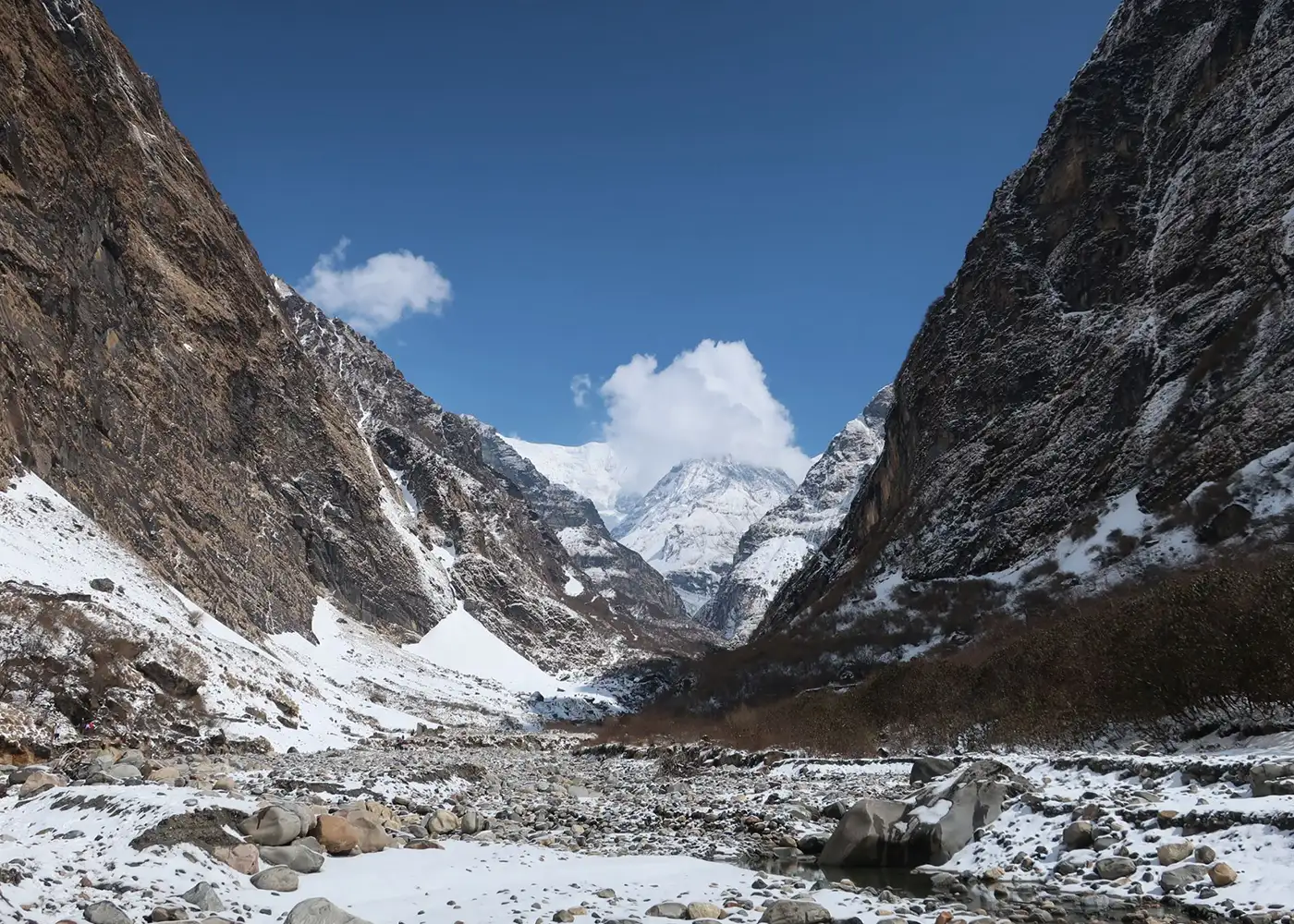
You leave Dovan and continue through a cool forest filled with bamboo, moss-covered rocks, and tall trees. The trail follows the Modi Khola valley and passes several waterfalls before reaching the Himalaya.

From Himalaya, the path climbs through rocky and forested terrain toward Deurali. The surroundings become more open as you gain altitude, with steep mountain walls rising above the upper valley.

  • Trek duration: 4 to 5 hours

  • Trek distance: Approx. 7 to 8 km / 4.3 to 5 miles

  • Maximum altitude: 3,230m / 10,597ft

  • Elevation gain: +630m / +2,067ft

Note: Follow your guide's instructions around avalanche-prone sections, especially after heavy rain or snowfall.

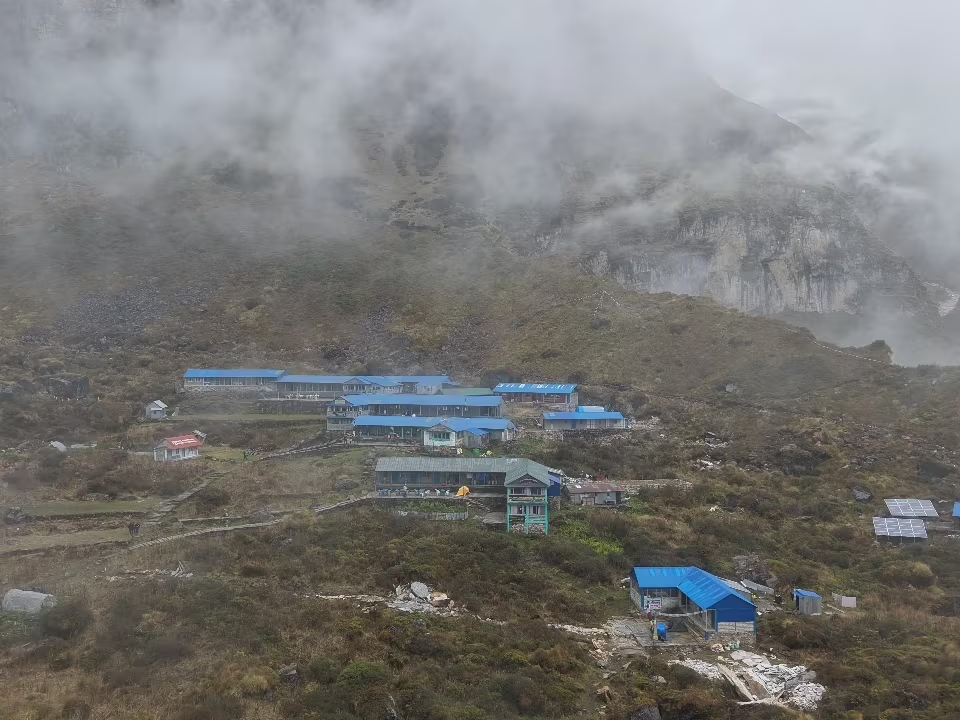
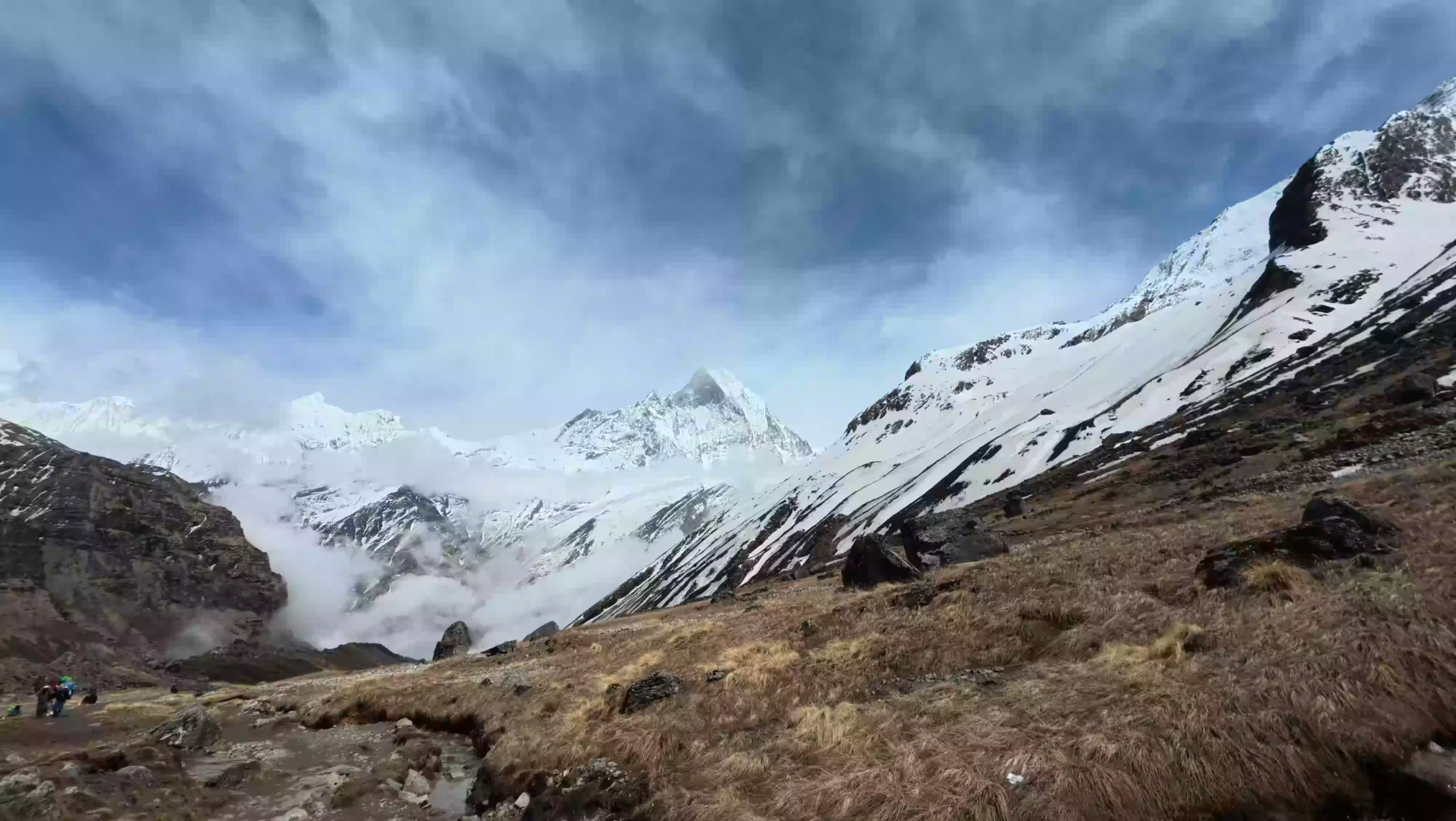
You leave Deurali and climb through the upper Modi Khola valley toward Machhapuchhre Base Camp. The trail passes between steep cliffs before opening into a wide alpine area surrounded by Machhapuchhre, Annapurna South, Hiunchuli, and Gangapurna.

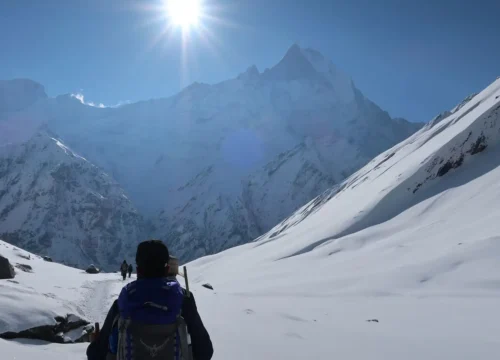
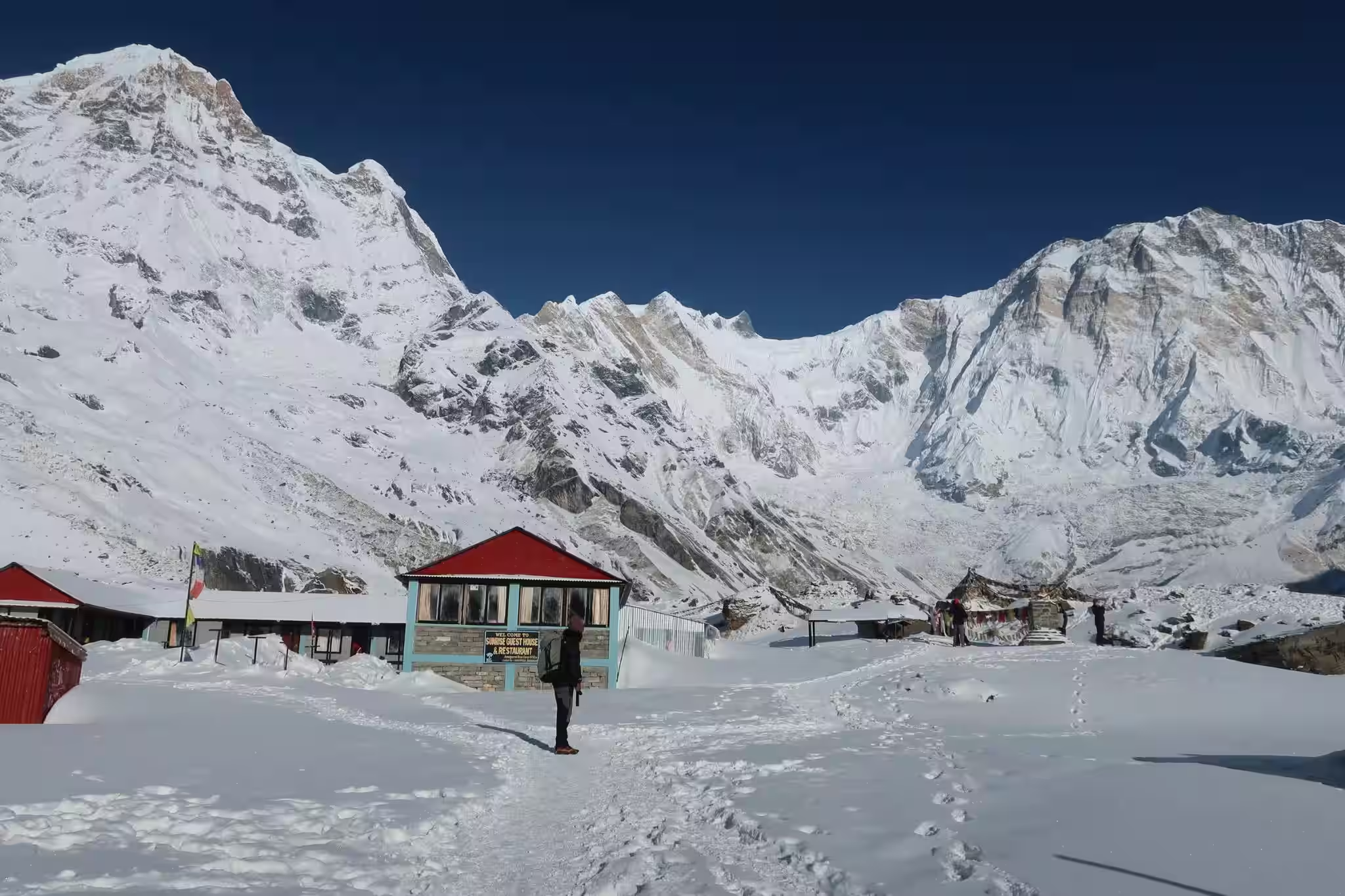
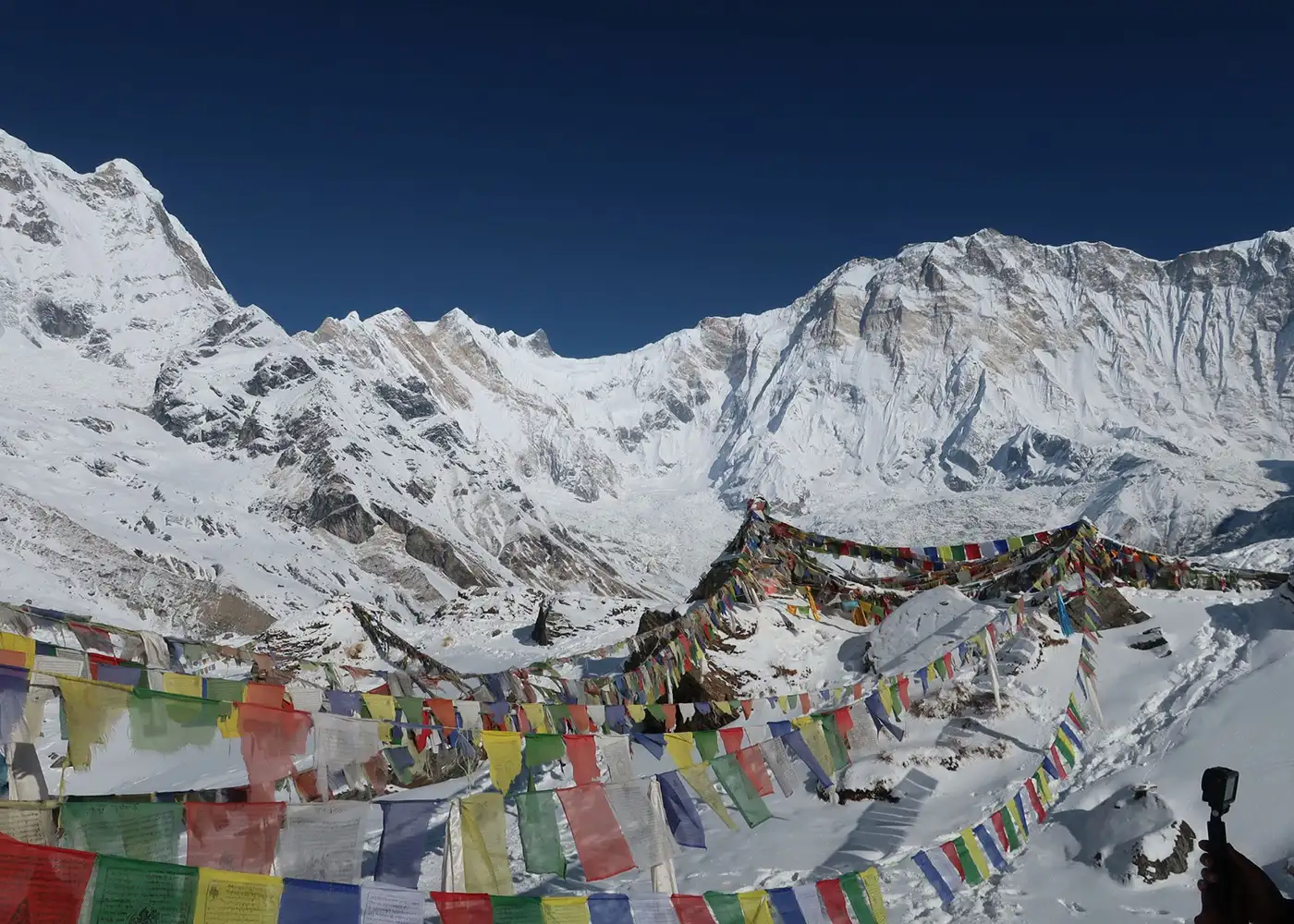
From Machhapuchhre Base Camp, you follow a gradual high-altitude trail into the Annapurna Sanctuary. After reaching Annapurna Base Camp, you settle into the teahouse and spend time enjoying the close views of Annapurna I and the surrounding peaks.

  • Trek duration: 4 to 5 hours

  • Trek distance: Approx. 7 to 8 km / 4.3 to 5 miles

  • Maximum altitude: Annapurna Base Camp, 4,130m / 13,550ft

  • Elevation gain/ loss: +900m / +2,953ft

Note: Walk slowly above Machhapuchhre Base Camp and report if you have any headaches, nausea, dizziness, or unusual tiredness to your guide.

You wake early to watch the morning light reach Annapurna I, Annapurna South, Hiunchuli, and nearby peaks. After breakfast, you leave the base camp and descend through Machhapuchhre Base Camp, Deurali, Himalaya, and Dovan.

The trail then re-enters the thick forest before reaching Bamboo for the night. Although the route is mostly downhill, the long descent and repeated stone sections can place pressure on your knees.

  • Trek duration: 6 to 7 hours

  • Trek distance: Approx. 14 to 16 km / 8.7 to 10 miles

  • Maximum altitude: 4,130m / 13,550ft

  • Sleeping altitude: 2,310m / 7,579ft

  • Elevation loss: -1,820m / -5,971ft

Note: Use trekking poles during the long descent and avoid rushing across wet stones or exposed tree roots.

You leave Bamboo and climb through the forest toward Upper Sinuwa before descending to Chhomrong Khola. After crossing the bridge, you climb the long stone staircase to Chhomrong and continue downhill toward Jhinu Danda.

Depending on your walking pace and the vehicle schedule, you may visit the natural hot spring beside the Modi Khola. You then meet the jeep near the road-accessible section and drive back to Pokhara for a comfortable hotel stay.

  • Trek duration: 5 to 6 hours

  • Trek distance: Approx. 9 to 11 km / 5.6 to 6.8 miles

  • Drive duration: 3 to 4 hours

  • Driving distance: Approx. 60 to 70 km / 37 to 43 miles

  • Maximum altitude: Approx. 2,340m / 7,677ft near Sinuwa

  • Elevation loss: Approx. -1,488m / -4,882ft

Note: The Jhinu Danda hot spring visit depends on daylight, walking speed, road conditions, and the jeep departure time.

You drive back to Kathmandu after breakfast, following the highway through riverside towns, farming areas, forested hills, and roadside settlements. The journey retraces the road through the Marsyangdi and Trishuli river valleys.

After arriving in Kathmandu, our team transfers you to your hotel. The rest of the day is free for rest, spa, massage, souvenir shopping, laundry, or a farewell dinner with the trekking team.

  • Drive duration: 6 to 8 hours

  • Drive duration: Approx. 200 km / 124 miles

Note: Keep your passport, money, electronics, and other important items in your day bag during the drive.

Our team transfers you from your hotel to Tribhuvan International Airport according to your flight schedule. The drive normally takes around 25 to 30 minutes, although traffic conditions may affect the travel time.

You leave Nepal with memories of Chhomrong, Machhapuchhre Base Camp, Annapurna Base Camp, the Annapurna Sanctuary, and the forested trail through Bamboo and Jhinu Danda.

  • Trip duration: 25 to 30 minutes taxi ride from the hotel to the airport

  • ⁣⁣Driving duration: Approx. 6 km / 3.7 miles

Note: Reach the airport at least three hours before your international flight.

Cost Includes

Cost Excludes

Trekking Feasibility
Calculating...
Projections represent historical trends and general seasonal elevation conditions.
Route Stop & Elevation
Daytime (Sunny)
Nighttime (Cold)

Note: These ranges represent common spring and autumn conditions. Temperature changes with the month, cloud cover, rain, snowfall, wind, and time of day.

The best time for the ABC Trek is during spring from March to May and autumn from September to November. Autumn offers clear skies, stable weather, and sharp views of the Annapurna range, while spring brings mild temperatures, blooming rhododendrons, and colorful lower trails. These are the busiest months, so early teahouse booking is recommended.

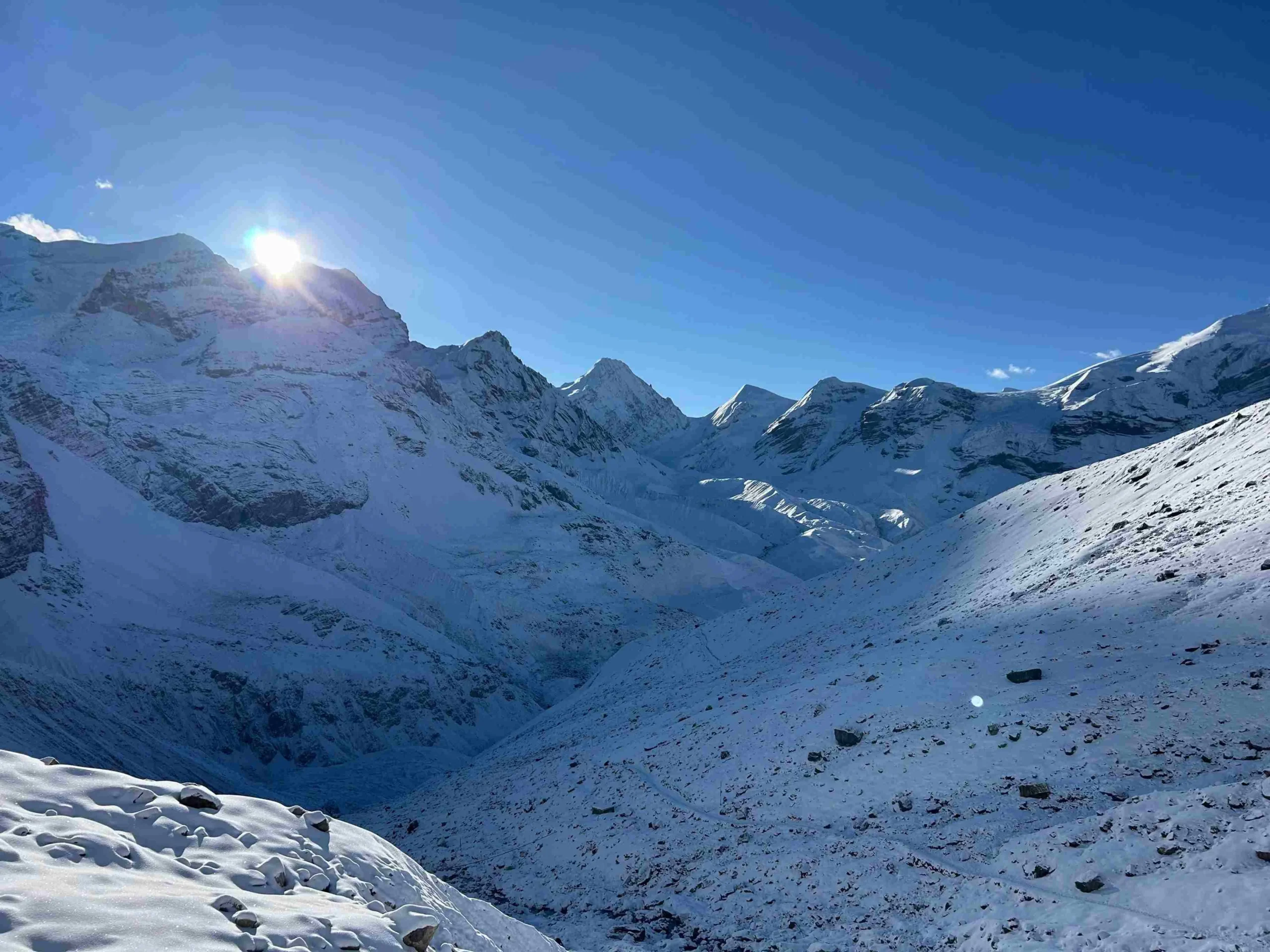
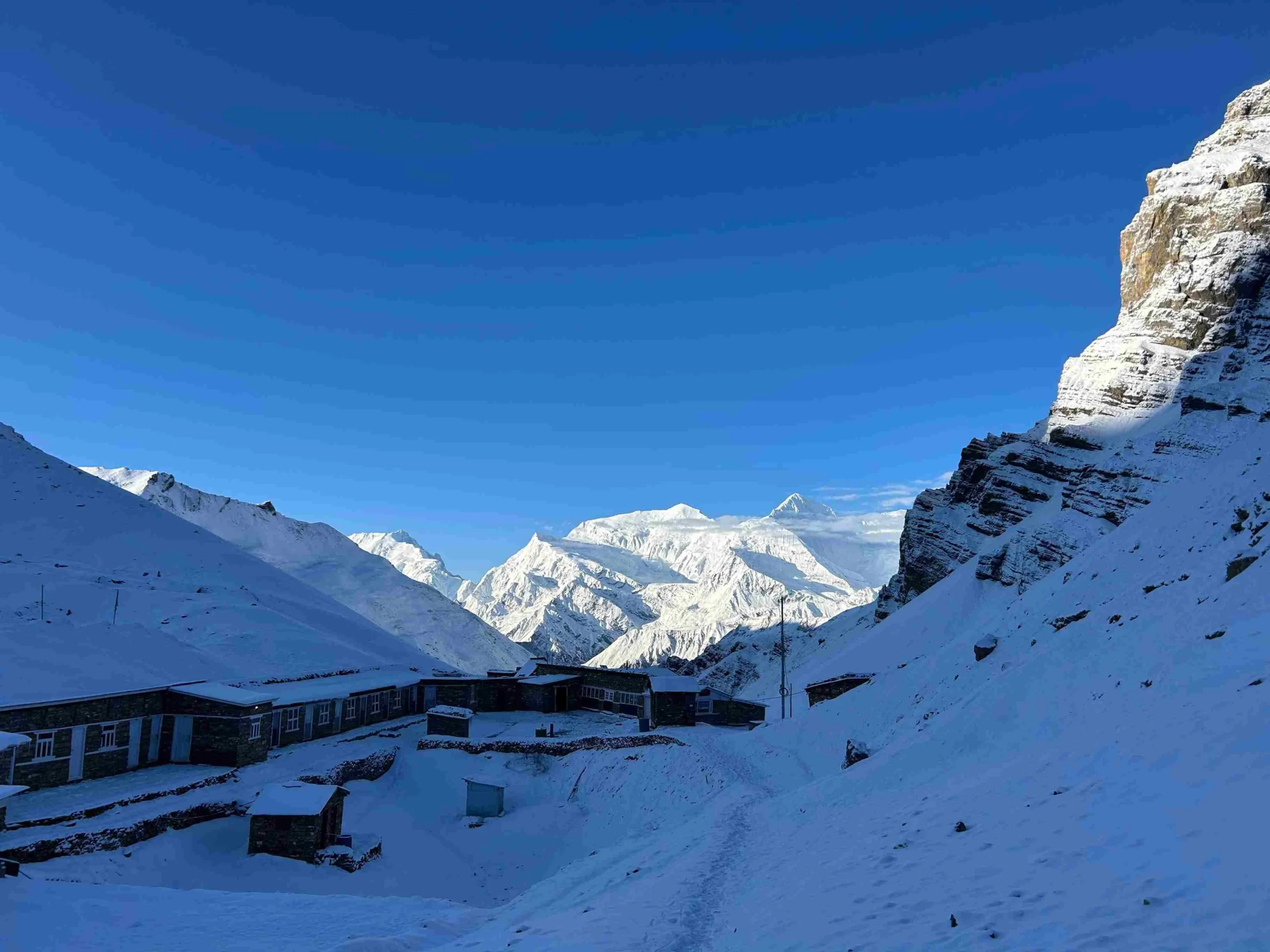
Winter from December to February offers quieter trails and snow-covered scenery, but temperatures can fall sharply at higher altitudes, and avalanche risk increases near Machhapuchhre Base Camp and Annapurna Base Camp. The monsoon season from June to August is less suitable because heavy rain can make the trail muddy, slippery, and more exposed to leeches, landslides, and travel delays.

During the ABC Trek, you stay in family-run teahouses that provide simple twin-share rooms with two single beds, mattresses, pillows, and basic blankets. Private rooms may be available at lower stops, but attached bathrooms are limited and depend on the lodge. Shared toilets are common, especially at higher elevations, while Western-style toilets are easier to find in larger villages. Hot showers, Wi-Fi, and device charging usually cost extra, and solar power may be limited, so carrying a power bank is recommended.

Teahouses serve filling Nepali and international meals in shared dining rooms. Breakfast options include Tibetan bread, porridge, pancakes, and eggs, while lunch and dinner menus often include dal bhat, momos, fried rice, chow mein, pasta, pizza, potatoes, and soups. Dal bhat is a practical choice because many teahouses provide refills. It is best to avoid meat above Chhomrong because refrigeration is limited and supplies are carried on foot. Expect to spend around USD 15 to 30 per day on food and drinks, with extra charges for boiled water, Wi-Fi, hot showers, and charging.
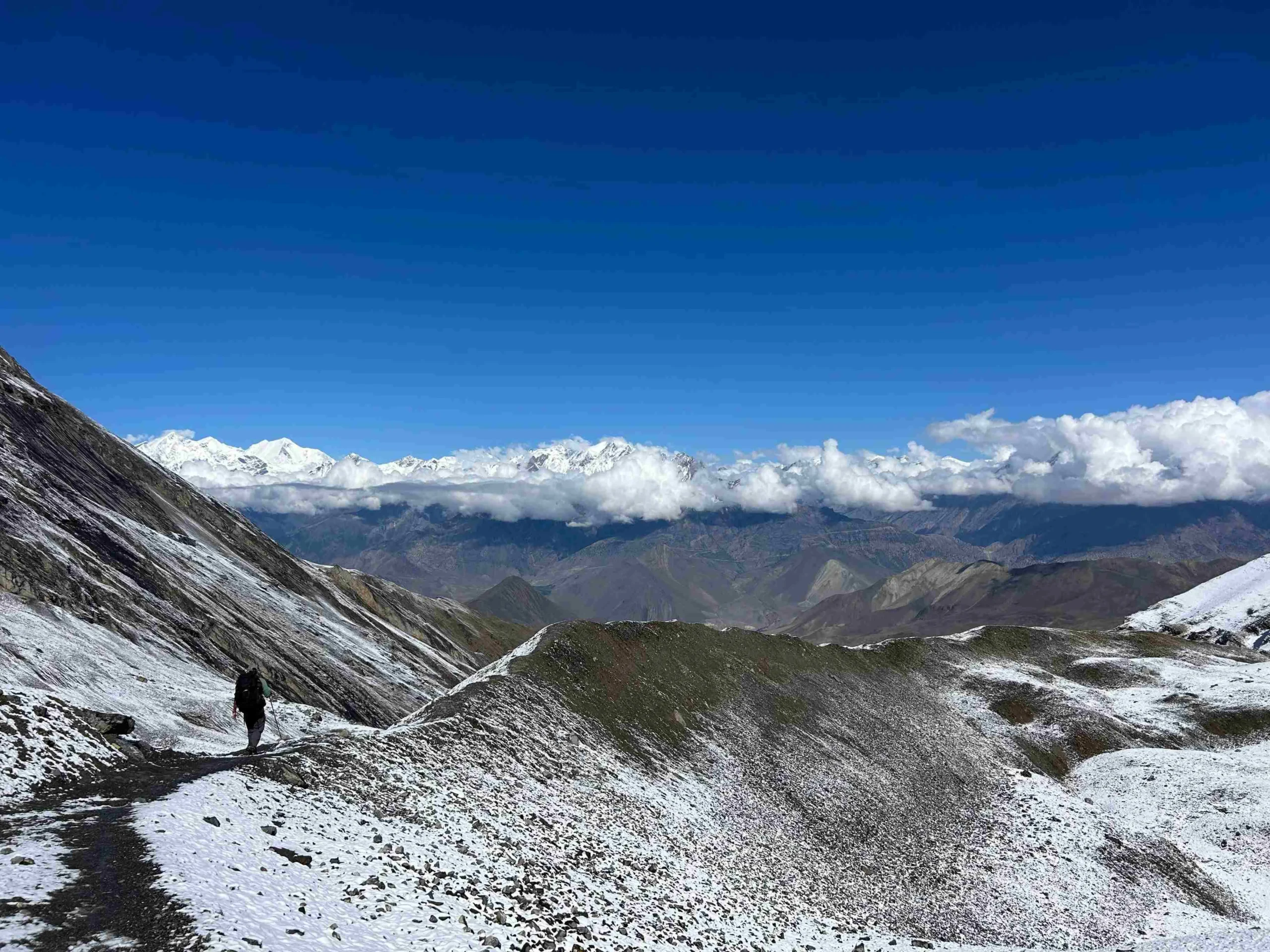
The ABC Trek is rated moderate to moderately challenging. It does not require technical climbing skills or mountaineering experience, so fit beginners can complete it with proper preparation. The main difficulties include long stone staircases, repeated uphill and downhill sections, changing mountain weather, and the climb to Annapurna Base Camp at 4,130m / 13,550ft. Mild altitude symptoms such as headaches, nausea, poor sleep, or tiredness may occur as the trail moves above 3,000m / 9,843ft.
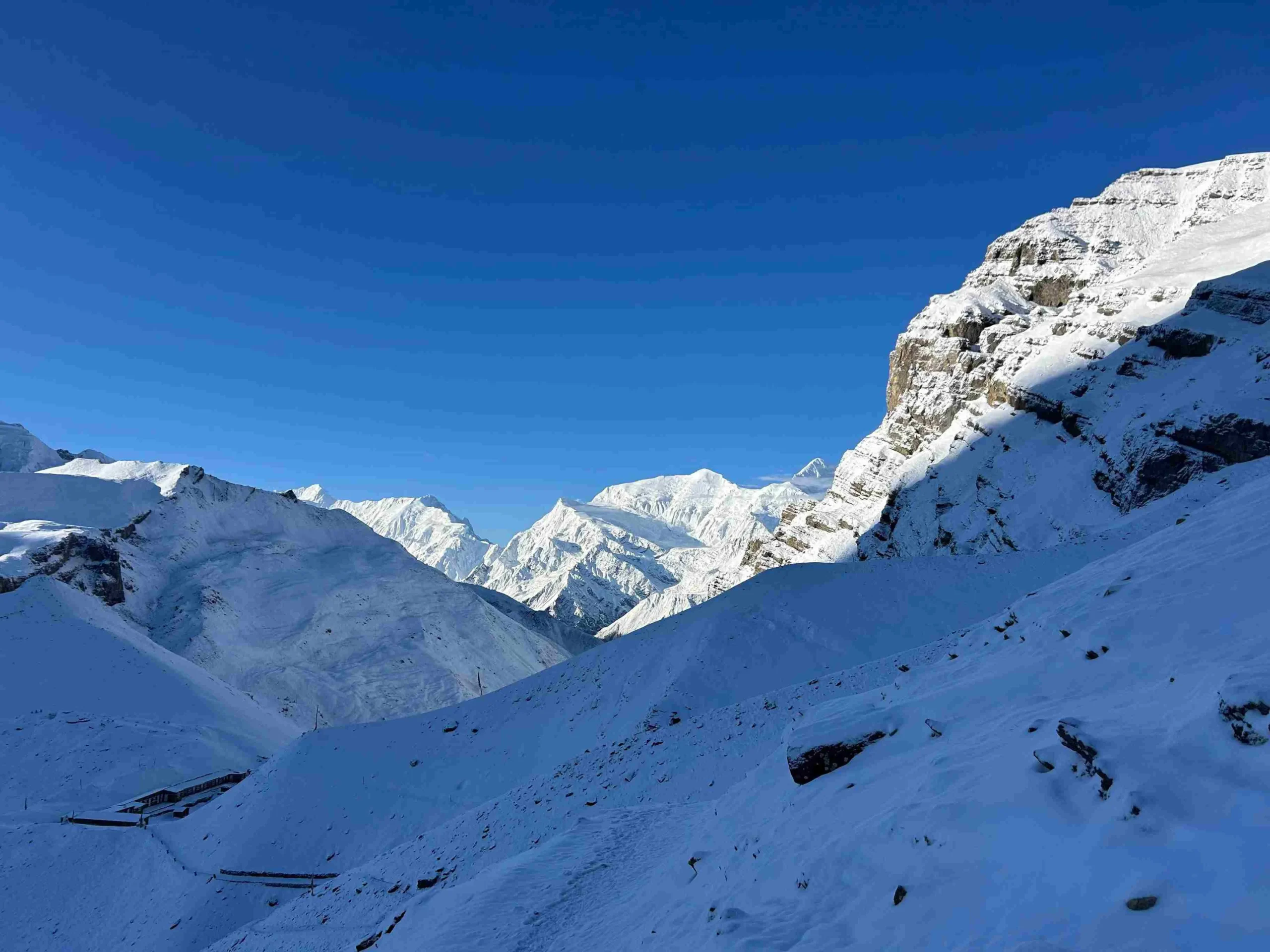
Trekkers usually walk for five to seven hours each day, and the physical effort builds over several consecutive days. Good cardiovascular fitness, strong legs, and healthy knees make the journey more comfortable. Before the trek, you should be able to walk for about five hours with a 5 to 6 kg daypack, climb several flights of stairs without long breaks, complete basic leg exercises, and walk downhill for at least 30 minutes without knee pain.

The ABC Trek passes through warm valleys, damp forests, and cold alpine areas. Pack light, quick-drying layers, while keeping water, snacks, documents, rain gear, and warm clothing in your daypack.

Plan Your Annapurna Base Camp Trek with Us

Plan your Annapurna Base Camp Trek with Joyful Eco Treks, including permits, private transport, hotels, teahouses, meals, licensed guides, porters, and airport transfers. Share your travel dates and group size to receive a suitable route and price.

Frequently Asked Question

Where is Annapurna located?

The Annapurna mountain range lies in north-central Nepal within Gandaki Province. Much of the trekking area falls inside the Annapurna Conservation Area. The route normally begins from Pokhara and enters the sanctuary through villages such as Chhomrong, Sinuwa, Bamboo, and Dovan.

The elevation of Annapurna Base Camp is 4,130m / 13,550ft above sea level. It is the highest overnight point in this itinerary. Machhapuchhre Base Camp sits lower at around 3,700m / 12,139ft.

The ABC Trek is moderately difficult. It does not require technical climbing skills, but you need good fitness for 5 to 7 hours of walking each day, steep stone staircases, uneven trails, and changing mountain weather. The route climbs from around 1,000m / 3,280ft to 4,130m / 13,550ft, so altitude sickness is also a concern. With proper training, steady pacing, enough rest, and guide support, most fit beginners can complete the trek safely.

Yes, beginners can do the ABC Trek with proper training and a reasonable level of fitness. The route does not require climbing skills, and teahouses provide meals and accommodation, so trekkers do not need to carry tents or cooking equipment. Beginners should prepare for 5 to 7 hours of walking, steep stone steps, and several consecutive trekking days. Start training two to three months before the trip with long walks, stair climbing, cycling, swimming, and leg-strength exercises while carrying a light daypack.

The Annapurna Base Camp hike usually takes 7 to 12 days and covers around 70 to 95 km / 43 to 59 miles, depending on the starting point, route, pace, and whether Poon Hill is included. Most trekkers walk for 5 to 7 hours each day. Our direct 10-day route covers a total trekking distance of approximately 55 to 65 km. In our 10-day itinerary, the trekking section takes six days from Samrong to Annapurna Base Camp and back to Jhinu Danda. The full package also includes arrival, private road transfers between Kathmandu and Pokhara, and departure.

The ABC Trek is generally safe for prepared trekkers, but it still involves high-altitude and mountain hazards. The main risks include altitude sickness above Deurali, avalanches near Hinku Cave and Deurali, landslides during the monsoon, and slippery stone steps or icy trails. You can reduce these risks by trekking with a licensed guide, walking at a steady pace, drinking enough water, choosing spring or autumn, and carrying proper boots and trekking poles. Always follow local weather updates and report any signs of altitude sickness early.

Yes, the ABC Trek can be completed in five days with an express route from Pokhara. This option usually starts near Jhinu Danda or Siwai and includes longer walking days of around 6 to 8 hours, with a faster climb to 4,130m / 13,550ft. The five-day plan suits fit and experienced trekkers because it allows less time for acclimatization. Joyful Eco Treks prepares custom ABC itineraries based on your fitness, available days, and travel plan, so contact us to choose the route that fits you best.

The Annapurna Base Camp Trek is generally easier than the Everest Base Camp Trek. ABC reaches 4,130m / 13,550ft and usually takes 7 to 12 days, while EBC reaches 5,364m / 17,598ft and often takes 12 to 16 days. ABC still includes steep stone steps and long climbs, but it has a lower altitude, shorter duration, and easier road access from Pokhara. EBC involves colder weather, longer distances, rocky terrain, higher altitude risk, and weather-dependent flights to Lukla.

No, you cannot see Mount Everest from the ABC. Everest lies in eastern Nepal, while Annapurna lies in north-central Nepal. The main peaks visible from the sanctuary include Annapurna I, Annapurna South, Machhapuchhre, Hiunchuli, and Gangapurna.

There is no official count, but the Annapurna Base Camp route includes thousands of stone steps. Some estimates place the total between 20,000 and 30,000 steps, depending on the exact trail and starting point. Our itinerary does not pass through Ulleri, so the well-known 3,300-step climb is not included. However, the sections around Chhomrong, Sinuwa, Bamboo, and Jhinu Danda still involve long stair climbs and descents, making trekking poles useful for protecting your knees.

The Chhomrong to Dovan distance is approximately 11 to 12 km / 6.8 to 7.5 miles. The walk takes around six to seven hours because the trail descends to Chhomrong Khola and then climbs through Sinuwa and Bamboo.

The Dovan to Deurali distance is around 7 to 8 km / 4.3 to 5 miles. Most trekkers complete the section in four to five hours, depending on weather, trail conditions, and walking speed.

Ready to Walk to the Annapurna Sanctuary?

Share your planned travel dates, group size, trekking background, and preferred services. Our team will arrange the route, permits, hotels, road transport, teahouses, guide support, meals, and cost details for your journey.