Gokyo Lake Trek: 13 Days Complete Itinerary

Mount Everest, Solukhumbu District, Nepal

13 Days

Trek-region

Everest

Group Size

1-12 (Private & Small Group)

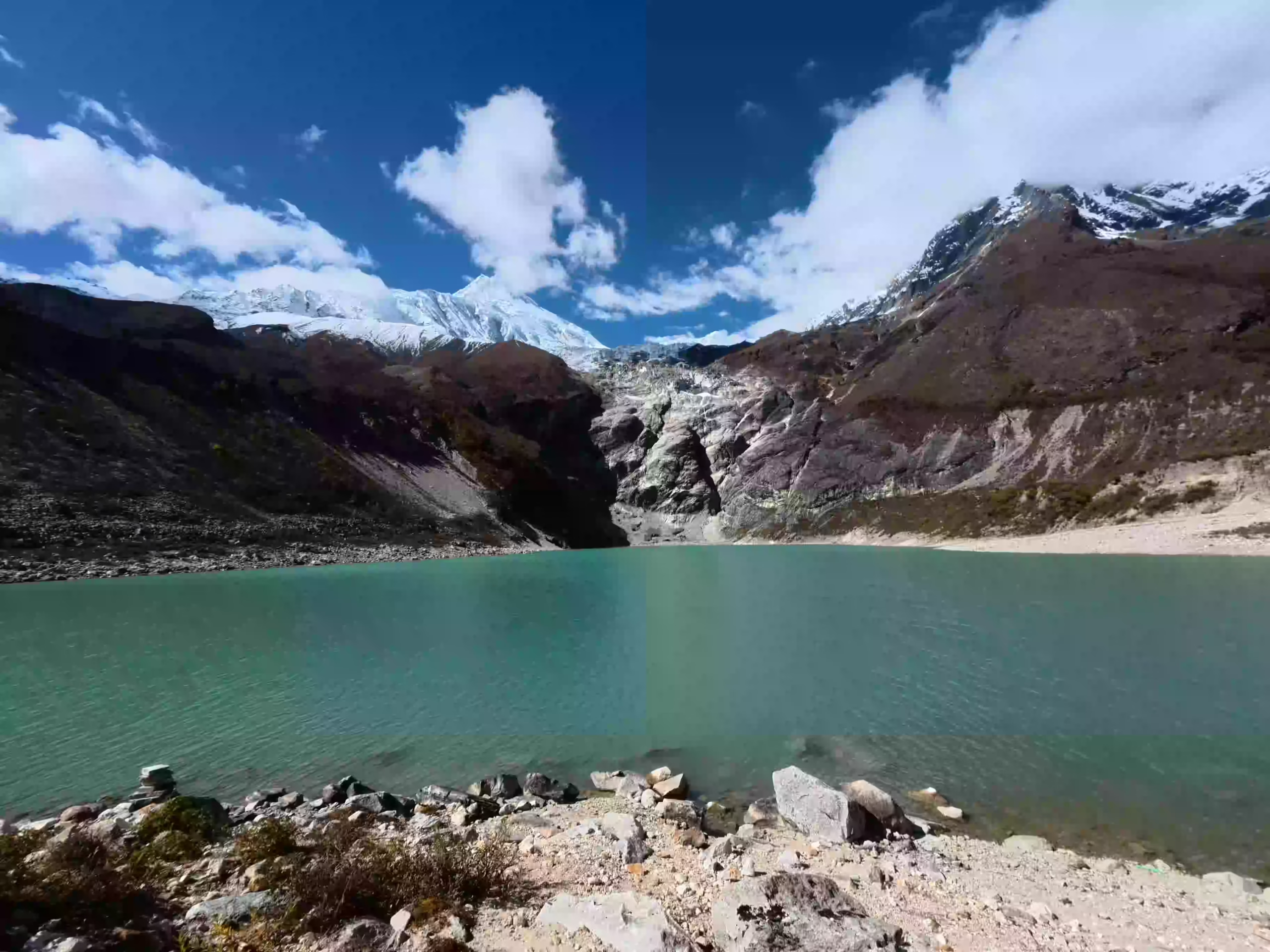
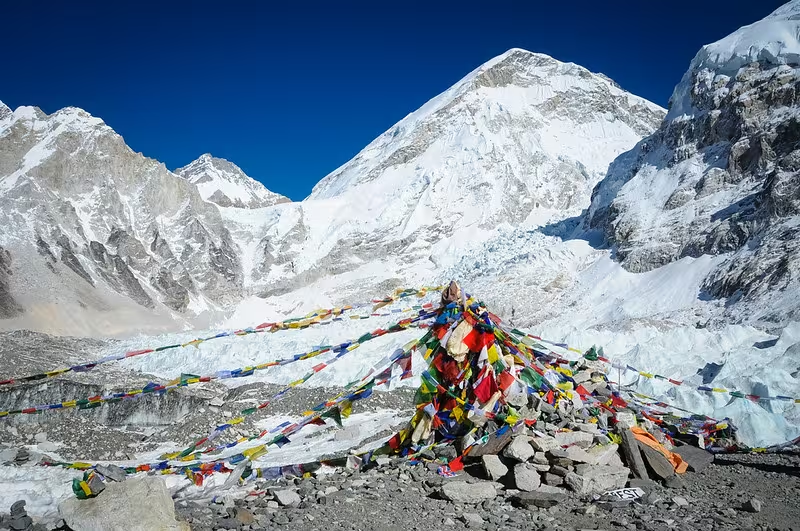
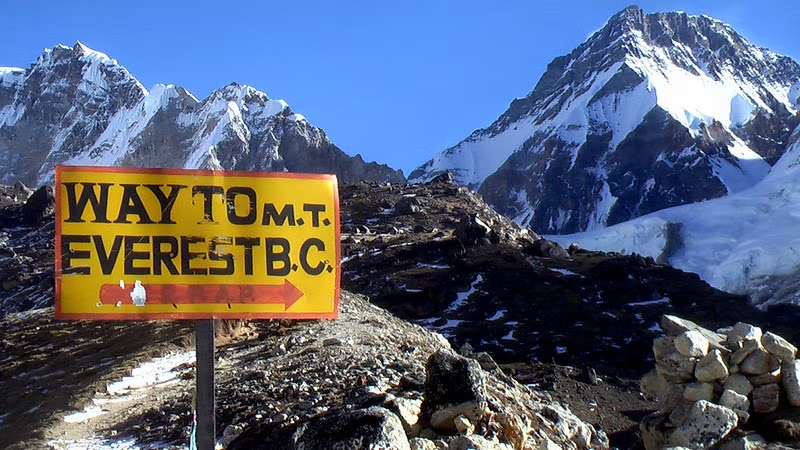
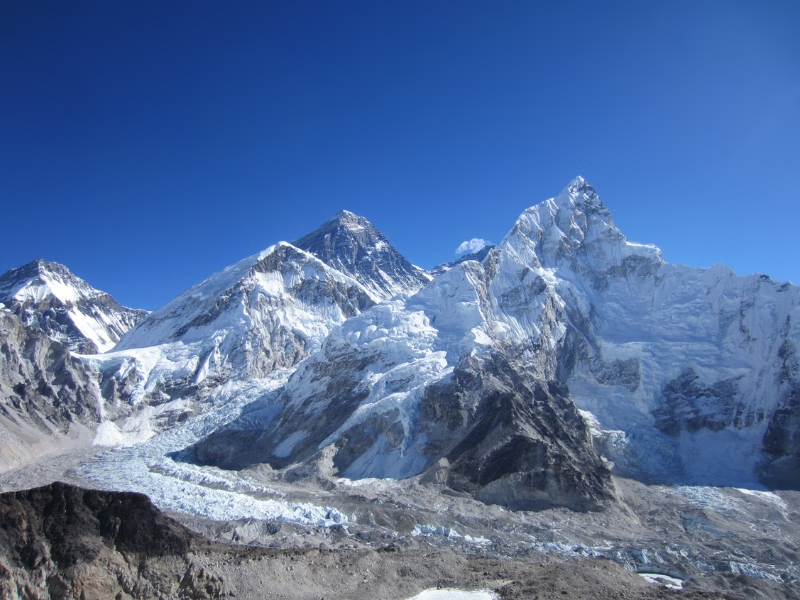
The Everest Two Passes Trek (Renjo La + Cho La) is a scenic, high-altitude route that combines the peaceful Gokyo Valley with the famed Everest trail. You cross two spectacular Himalayan passes (Renjo La and Cho La) and walk along the Gokyo Lakes, Everest Base Camp, and the sunrise viewpoint at Kala Patthar (5,555m / 18,225ft).

It’s a challenging but rewarding trek for those who want more variety, big mountain scenery, and a greater sense of accomplishment than the standard EBC trek.

Trip Info 

Why Choose the Everest Two Passes Trek

Trek Highlights 

Tour Plan

Cost Includes

Cost Excludes

Trekking Feasibility
Calculating...
Projections represent historical trends and general seasonal elevation conditions.
Route Stop & Elevation
Daytime (Sunny)
Nighttime (Cold)

Note: These temperatures represent the peak trekking seasons (Spring from March to May and Autumn from September to November). High-altitude weather can change rapidly.

The best time for the Everest Two Passes Trek is spring and autumn. Spring runs from March to May and brings warmer days, clear views, and blooming rhododendrons in the lower parts of the trail.

Autumn runs from September to November and is the most popular season. The weather is usually stable, the skies are clearer, and the mountain views are often better after the monsoon.

Winter is possible for experienced trekkers, but the trail becomes very cold around Gokyo, Cho La, Lobuche, and Gorak Shep. Snow can also make the high passes harder to cross. Monsoon is less ideal because clouds can block mountain views, and flights to Lukla may face delays. The lower trails can also become wet and slippery.

Accommodation is mainly in local teahouses during the trek. Rooms are simple and usually come with basic beds, blankets, and shared toilets. In places like Namche Bazaar, the lodges feel more comfortable, but facilities become more basic near Lungden, Gokyo, Thangnak, Dzongla, Lobuche, and Gorak Shep.

Hot showers, Wi-Fi, and battery charging are available in some villages for an extra cost. These services may not work every day because remote lodges often depend on solar power and local systems. Carry a power bank, enough cash, and warm layers for higher stops.

Meals are warm and filling. Common options include dal bhat, noodles, fried rice, soup, potatoes, pasta, pancakes, Tibetan bread, tea, and coffee. The menu becomes shorter in higher villages, so pack energy bars, nuts, chocolate, and electrolyte powder for long walking days and pass crossings.

The Everest Two Passes Trek is a challenging high-altitude trek. You do not need climbing skills, but you should have good fitness, strong legs, and previous multi-day hiking experience.

The main challenges are long walking days, cold weather, thin air, rocky trails, glacier sections, and two high passes: Renjo La and Cho La. The route also reaches Kala Patthar at 5,555m / 18,225ft, so proper acclimatization is very important.

This trek is best for trekkers who want a harder route than the normal Everest Base Camp trek. Fit beginners may complete it with training, guided support, slow pacing, and enough rest days.

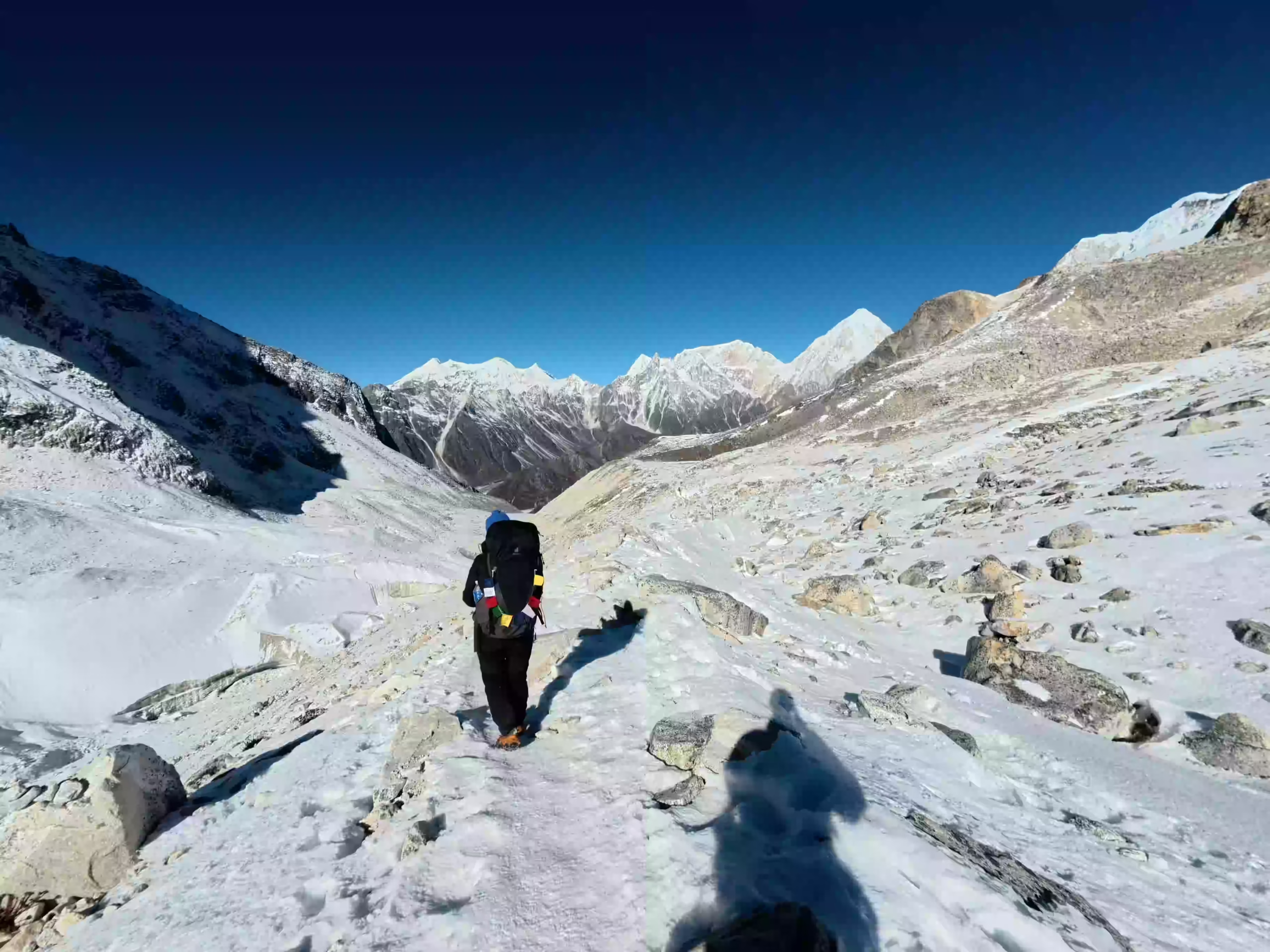
The trail moves through warm valleys, cold villages, windy passes, and high glacier areas. Pack light, but choose good layers and reliable trekking gear.

Plan Your Everest Two Passes Trek

Ready to cross Renjo La and Cho La, visit Gokyo Lakes, reach Everest Base Camp, and see sunrise from Kala Patthar? Share your travel dates, group size, fitness level, and trekking experience. Joyful Eco Treks will help plan your trek with permits, guide support, teahouse stays, meals, flights, pacing, and full trip support from arrival to departure.

Frequently Asked Question

How difficult is the Everest Two Passes Trek?

The Everest Two Passes Trek is a challenging trek. You cross Renjo La and Cho La, walk at high altitude, and spend many days on rocky trails, glacier sections and steep climbs.

No, the Everest Two Passes Trek is not ideal for complete beginners. Fit beginners may do it with proper training, a slow pace, and guide support, but it is better for trekkers with previous hiking or multi-day trekking experience.
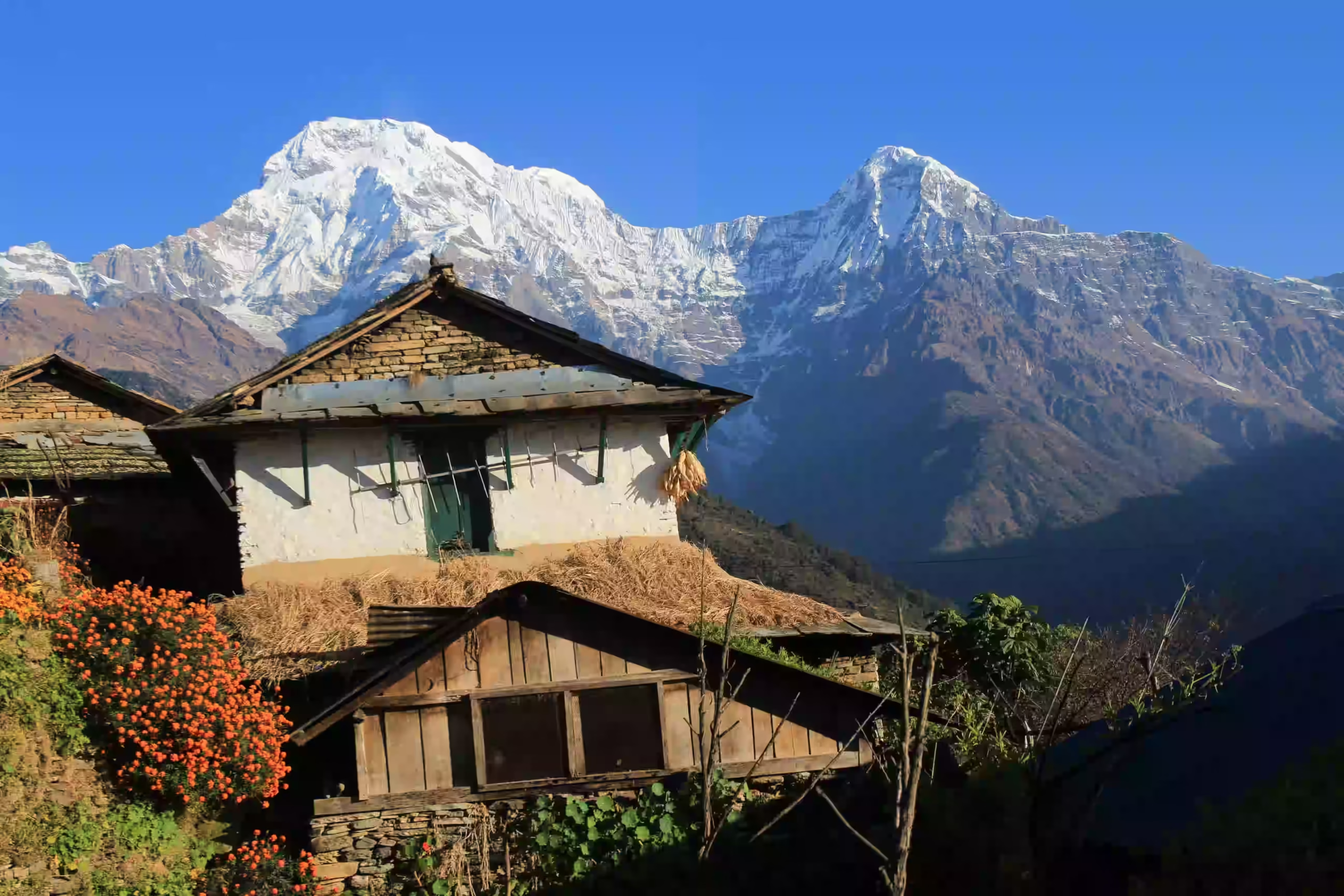
The best time to visit the Everest Two Passes Trek is during spring and autumn. March to May and September to November offer clearer skies, better mountain views, and safer high-pass conditions.
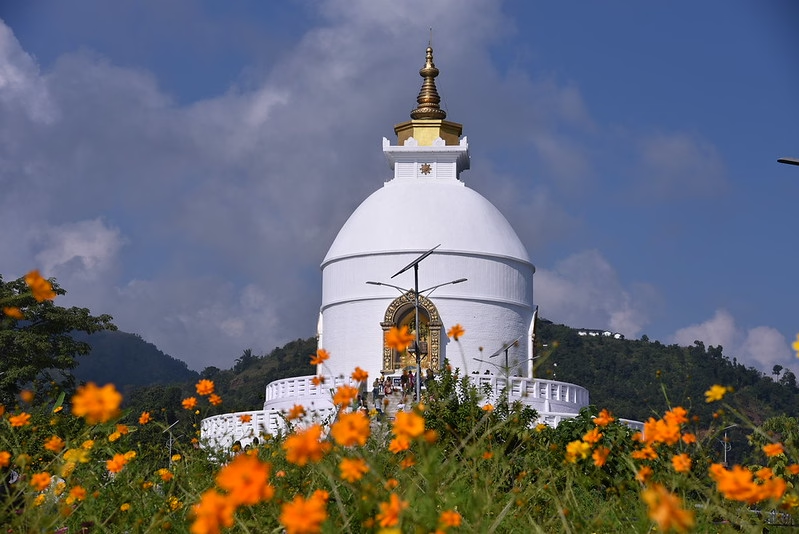
You need two main permits for the Everest Two Passes Trek: the Sagarmatha National Park Permit and the Khumbu Pasang Lhamu Rural Municipality Entrance Permit. 

Yes, a licensed guide is strongly recommended for this trek. The route includes high passes, glacier sections, changing weather, altitude risk, and remote trails, so guide support makes the journey safer.

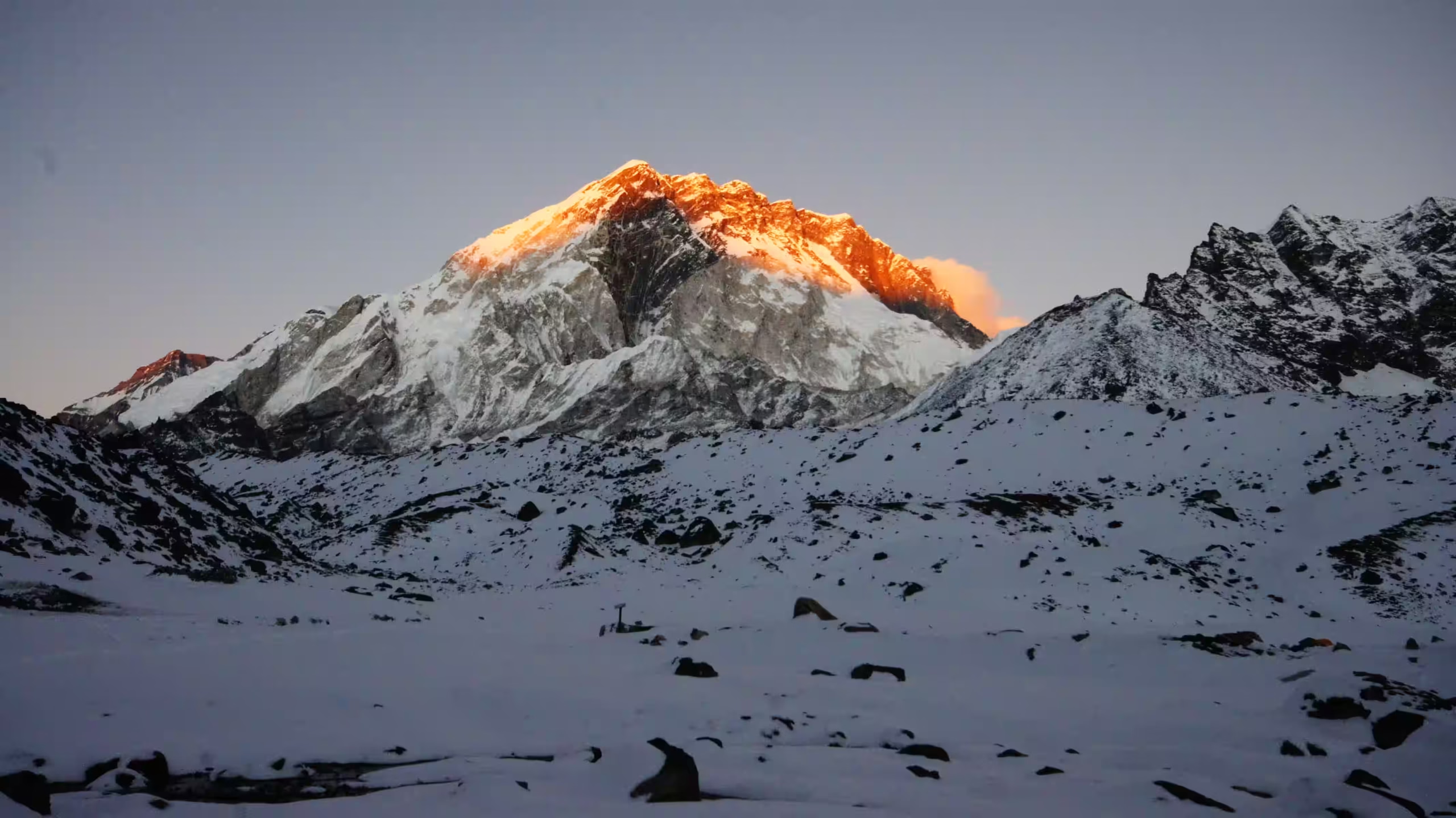
The highest point is Kala Patthar at 5,555m / 18,225ft. It is widely considered the finest ground-level viewpoint for Mount Everest.

The highest point of the Nar Phu Valley Trek is Kang La Pass at 5,306 m (17,408 ft) above sea level. It lies between Nar village and Ngawal and is one of the most important highlights of the trek. From the top of the pass, you get wide mountain views of the surrounding Himalayan landscape, which is why many trekkers see it as a standout part of the route. Since it is the highest elevation on the trail, proper acclimatization is important before crossing it.

Cho La Pass is often the hardest part because the trail can include rock, snow, ice, and steep sections. Renjo La is also demanding, but many trekkers find Cho La more technical.

Yes, altitude sickness is a real risk because the trek goes above 5,000m several times. Walk slowly, drink enough water, avoid alcohol, and follow the acclimatization plan.

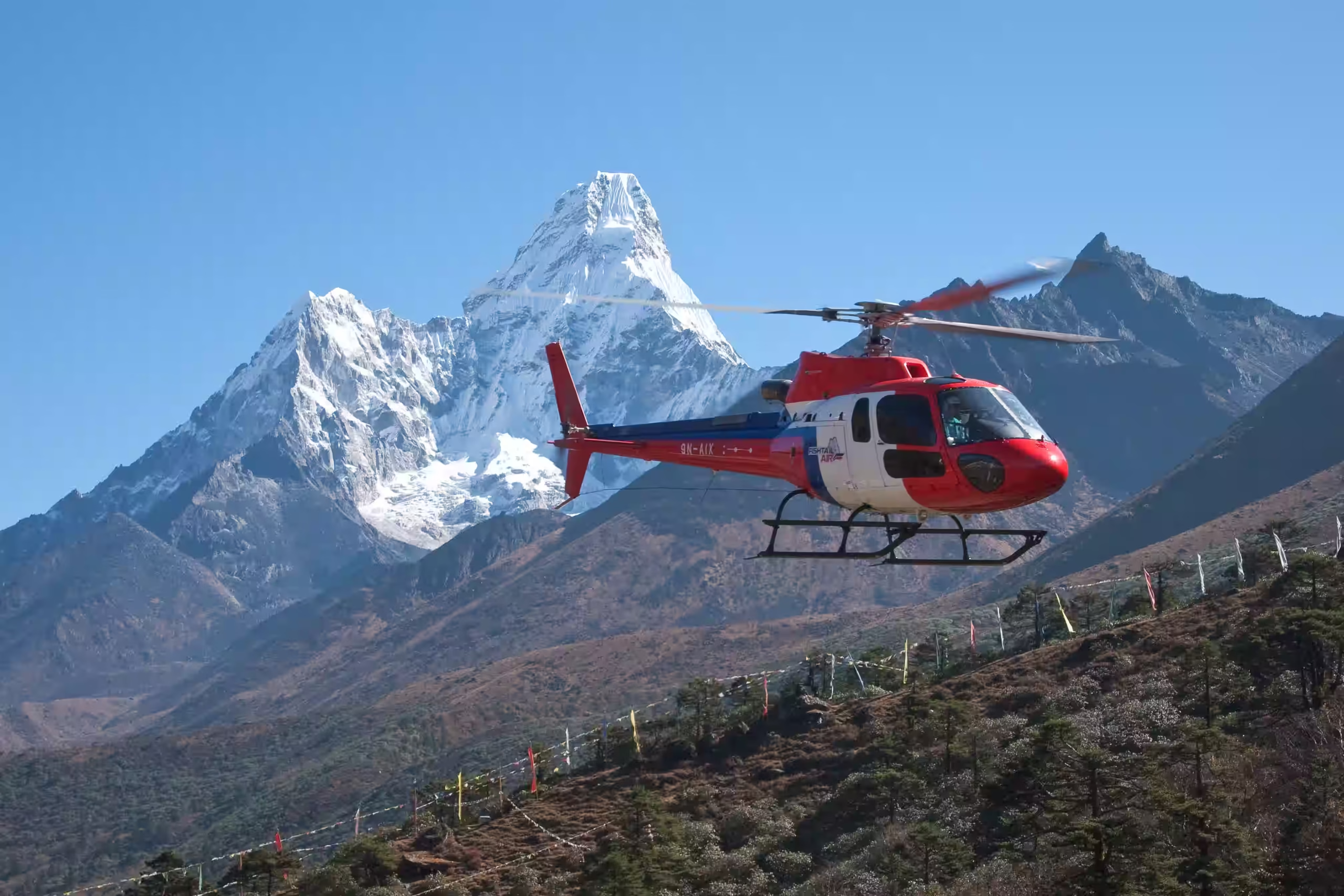
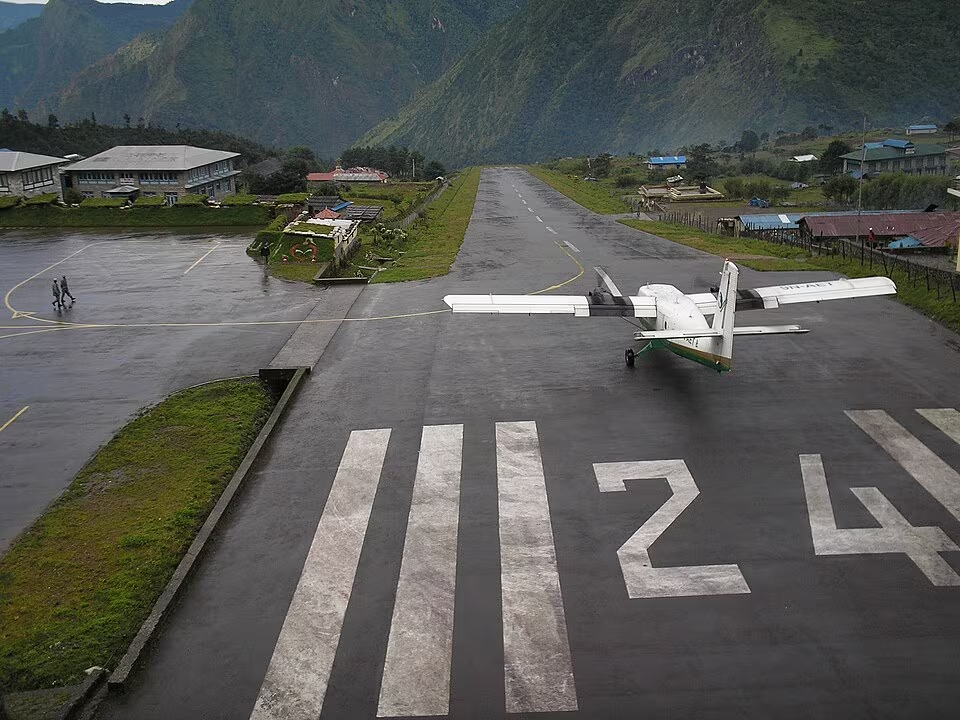
If Lukla flights are delayed, you may need to wait at the airport or fly the next day when the weather clears. In peak season, your flight may also operate to Manthali instead of Kathmandu. Extra hotel nights, road transfers, or flight changes may be needed, so keep at least one buffer day in your travel plan.

Ready to Trek the Everest Two Passes?

Share your travel dates, group size, and trekking experience, and our local team will recommend the best 17-day itinerary with clear details on pacing, permits, and logistics.