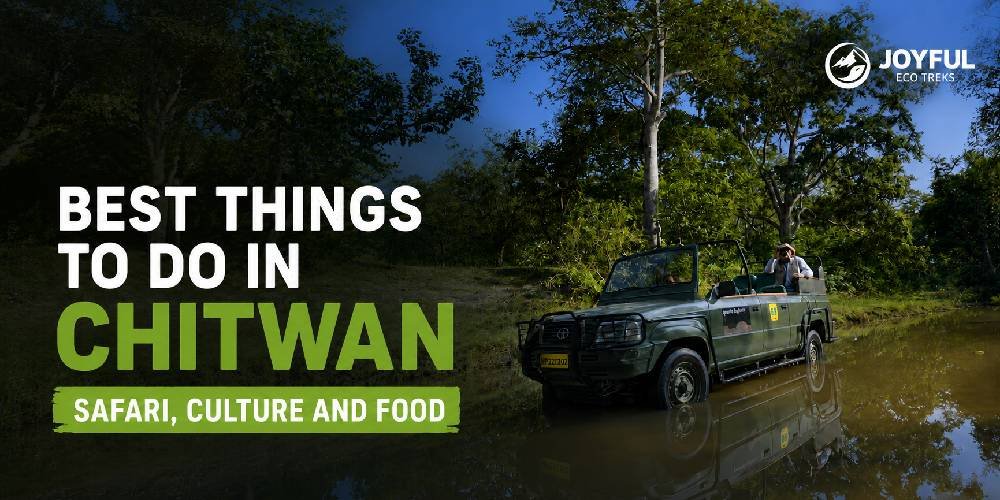
Chitwan is often known as Nepal’s jungle destination. Some travelers come for a safari, some stop here between Kathmandu and Pokhara, and others visit for a short family or nature trip. But many leave after doing only one jeep safari and miss the rivers, villages, food, wetlands, and quiet cultural places that make the area more interesting.
As a result, you may see only a small part of what Chitwan offers. Beyond Chitwan National Park, the district has Tharu villages, riverbanks, local markets, lakes, waterfalls, homestays, spiritual sites, and peaceful countryside areas. These places make your trip feel more complete when you plan beyond the usual safari route.
In this guide, we’ll cover the best things to do in Chitwan for wildlife lovers, families, culture seekers, food lovers, and travelers who want more than basic sightseeing. It will help you decide where to go, what to try, and how to experience Chitwan in a more meaningful way.
Quick View: Top Things to Do in Chitwan
| Experience | Best for | Time needed | Main area |
| Jeep safari | Wildlife viewing | Half or full day | Chitwan National Park |
| Rapti canoe ride | Crocodiles and birds | 1-2 hours | Sauraha |
| Guided jungle walk | Active travelers | 2-4 hours | Park or buffer zone |
| Tharu village experience | Local culture | 2-3 hours | Sauraha or Barauli |
| Rapti River sunset | Families and couples | About 1 hour | Sauraha |
| Beeshazari Tal | Wetlands and birds | Half day | Bharatpur area |
- Chitwan is not only about a jungle safari. You also get rivers, wetlands, the Tharu culture, local food, spiritual places, and peaceful village experiences.
- Chitwan National Park is the main highlight, where jeep safari, canoe rides, jungle walks, birdwatching, and watchtower stays give you close wildlife experiences.
- Sauraha, Meghauli, Madi, and Barauli each offer a different side of Chitwan, from easy safari access to quiet jungle stays, rural nature, and Tharu homestay culture.
- Local experiences like Tharu village walks, cultural dance shows, cooking classes, and traditional foods make the trip more meaningful beyond sightseeing.
- The best time to visit Chitwan is from October to April, when safari, canoe rides, cycling, river sunsets, and cultural visits feel more comfortable.
Overview of Chitwan’s Top Regions
Chitwan isn’t just a single town next to a forest; it is a massive patchwork of different neighborhoods. Depending on what you want to see, picking the right base can completely change your experience.
Use this section to understand the layout before you book your rooms. Choosing the right region helps you avoid wasting hours on local transport and puts you right next to the activities you want to do.
1. Sauraha (The Safari Hub)
Book your hotel here if a classic jungle safari is your main reason for coming to Chitwan. This tourist town is the absolute easiest place to arrange jeep tracks, canoe trips, jungle walks, and evening cultural dance shows.
Everything stays incredibly close together in this hub. You can spend your morning inside the national park, walk down to the river for sunset, and head to a theatre for a Tharu dance without ever needing a vehicle.
2. Bharatpur (The Practical Entry Point)
Use Bharatpur as your main entry point if you are flying into the local airport or taking a tourist bus from Kathmandu. This is the commercial city center where you can find major banks, big pharmacies, gadget shops, and transit links.
Do not stay here if you want a quiet jungle vibe or green forest views. Treat it purely as a quick operational stop to withdraw cash and buy supplies before heading toward the riverside nature resorts.
3. Narayangarh (The Local Food & River Hub)
Head to Narayangarh if you want to escape the usual tourist crowds and see how locals actually live. Located right next to the massive Narayani River, this bustling market area feels incredibly alive and authentic.
The main reason to visit this spot is its fantastic riverside street food scene. Walk along the riverfront in the evening, try the famous spicy meat dishes, and watch the sunset with local families.
4. Meghauli (The Luxury Quiet Escape)
Choose Meghauli if you want a peaceful jungle experience far away from the busy streets of Sauraha. Located on the western edge of the park, this scenic area is famous for wide river views and high-end eco-lodges.
The atmosphere here stays completely quiet and open. It perfectly suits travelers and couples who want relaxed safari schedules, private nature photography walks, and premium comfort right next to the wild.
5. Patihani (The Relaxed Riverside Break)
Keep Patihani in your travel plan if you want a laid-back riverside stay with beautiful resort comforts. It feels much softer and quieter than Sauraha, offering open views of green farming fields and gentle water channels.
Spend your time here taking slow evening walks along the riverbanks or renting a bicycle to see nearby rural homes. It works as an excellent mid-range option when you want to rest away from busy holiday crowds.
6. Madi (The Rural Nature Escape)
Cross through the national park’s forest tracks to reach the isolated Madi Valley. This deep-countryside region features traditional farming villages, quiet gravel roads, forested borders, and untouched local life.
Make sure to visit the hidden Baikunda Tal while exploring this rural area. It is built for adventurous backpackers who want to see raw, non-commercial scenery and experience genuine local isolation.
7. Barauli (The Tharu Homestay Community)
Book a stay at Barauli if you want a real, hands-on community experience. Instead of just watching a quick cultural show from a distance, this special village initiative lets you live right alongside Tharu families.
Sleep inside traditional mud-walled cottages, eat home-cooked tribal meals, and ride bicycles through the quiet village tracks. It is a deeply meaningful stop where you can experience simple village routines naturally.
What Are the Best Things to Do in Chitwan?
The best things to do in Chitwan include visiting Chitwan National Park for a jeep safari, canoe ride, jungle walk, birdwatching, and wildlife viewing. You can also visit conservation centers, watch the sunset by the Rapti River, cycle through nearby villages, and experience Tharu culture through dance, food, and village visits.
Food is another major part of the trip. Try Tharu dishes such as ghonghi, dhikri, chichar, duck choila, and a traditional khana set. Chitwan also has peaceful lakes, riverside areas, temples, and nearby towns worth visiting.
We have explained each activity in detail below so you can choose what fits your trip.
1. Visit Chitwan National Park
Chitwan National Park is the main reason many travelers come to the region. Once you enter the park area, the mood changes from town life to forest tracks, tall grasslands, riverbanks, and wildlife movement.
You should visit the park with trained nature guides because wild animals move freely here. A guide helps you stay safe, read animal signs, and understand the forest beyond what you see at first glance.
1.1 Track Wildlife on a Guided Jeep Safari
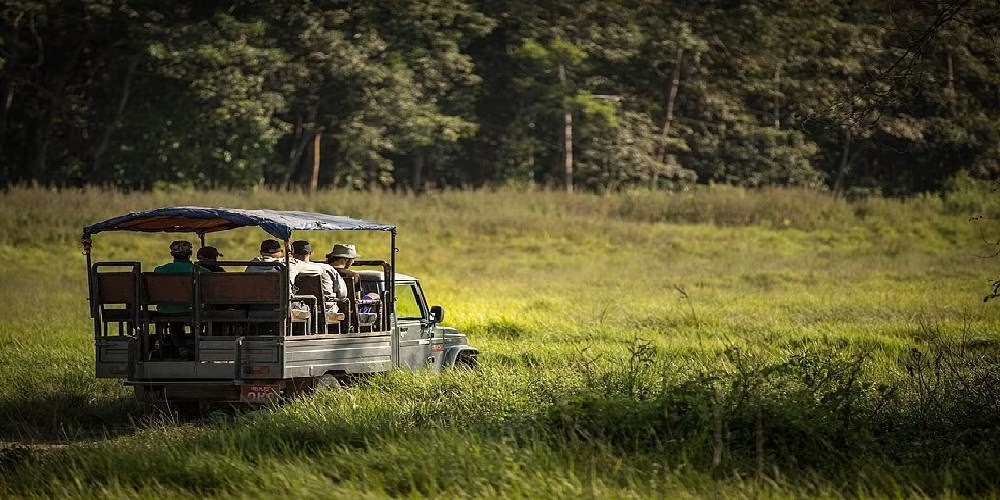
A jeep safari is the easiest way to cover more ground inside the park. You move through forest tracks, grasslands, riverbanks, and open areas where animals often feed, rest, or cross the route.
During the drive, you may see rhinos, deer, monkeys, wild boar, crocodiles, and many birds. Tigers also live in the park, but sightings are rare, so treat one as a lucky surprise.
Source: Wikimedia Commons
1.2 Glide Quietly on a Rapti River Canoe Ride
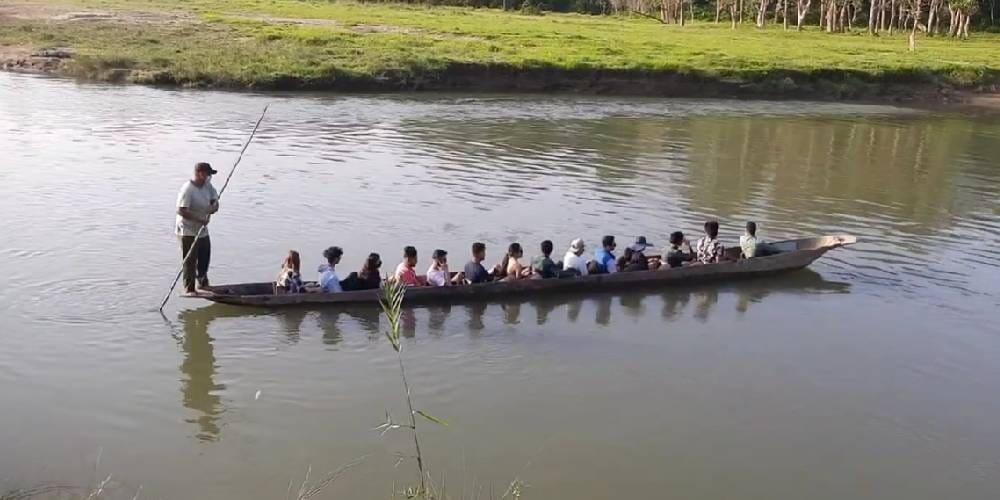
Head down to the designated docks early in the morning to board a traditional hand-carved dugout wooden canoe. Sit low, stay balanced, and let your boatman gently guide you downstream through the morning mist.
Keep your eyes locked on the low muddy banks to spot critically endangered, long-snouted Gharial crocodiles warming themselves in the sun. Also, look out for vibrant turquoise flashes from hunting kingfishers diving into the water.
Source: YouTube, Sauraha Media
1.3 Join a Guided Jungle Walk
A jungle walk is the right activity when you want to feel the forest more closely. You walk on foot with a trained guide who reads footprints, dung, broken branches, bird calls, and fresh animal signs.
You may feel nervous because wild animals live freely in the park, but you do not need to panic. Your guide knows the safe route, animal behavior, and what to do if wildlife appears nearby, so stay quiet, walk in line, and follow every instruction.
1.4 Go Morning Birdwatching
Birdwatching belongs in your Chitwan plan if you enjoy slow mornings and nature details. The park has forests, rivers, wetlands, and grasslands that attract many resident and migratory birds.
Start early for better sightings. Watch for peacocks, hornbills, kingfishers, storks, herons, and colorful water birds around the river and wetland areas.
1.5 Stay Overnight in a Jungle Watchtower
A community jungle watchtower stay gives you a night experience near the forest, usually in a buffer-zone or community-forest area rather than inside the national park’s core zone. Instead of returning to a regular hotel, you stay close to jungle sounds after dark.
Choose this if you enjoy quiet places and basic comfort. Availability and permitted locations can change, so book through an authorized local operator and confirm the guide service, meals, toilet facilities, sleeping arrangements, and safety rules.
2. Explore Wildlife Conservation Centers & Educational Stops
Do not just limit your trip to clicking animal pictures on a safari drive. Take the time to discover how local communities work hard to protect endangered river and forest species from disappearing.
Add these educational centers to your route to gain a real appreciation for conservation work. These quick stops provide valuable context that makes your wildlife safaris feel much more interesting.
2.1 Visit the Gharial Breeding Center
Head over to this government station located at Kasara, which is near the park headquarters of Chitwan National Park, after completing your morning canoe trip. The center works to rescue and rear long-snouted gharial crocodiles whose river habitats face constant human threats.
Walk along the stone pools to observe crocodiles at every stage of growth, from tiny hatchlings to massive adults. It is a simple, no-frills facility that highlights the difficult daily work behind saving river life.
2.2 Take a Day Trip to the Jatayu Vulture Restaurant
Take an interesting day trip to Kawasoti in neighboring Nawalpur District to see a truly unique community-led vulture protection project. Local groups manage a safe feeding station using meat that is safe for vultures to help rebuild wild populations.
Sit quietly inside the camouflaged viewing hide for a chance to watch vultures descend for food. Because Kawasoti is outside Chitwan District, include realistic road-travel time when adding this conservation visit to your itinerary.
2.3 Visit the Elephant Breeding Center
Make a quick stop at the government-run Khorsor Center to learn about the history and management of captive elephants in Nepal. Observe the resident elephants only from designated visitor areas.
Approach this visit with respect for the animals and consider the welfare questions connected with keeping elephants in captivity. Keep your distance, do not call out to the elephants, and follow every instruction given at the center.
2.4 Watch Crocodiles and River Wildlife
Spend a quiet afternoon exploring the public river banks where the town meets the park boundary lines. You do not always need to purchase a park ticket to view interesting local aquatic wildlife.
Find a shaded bench along the river path, pull out your camera, and scan the quiet water edges. You will frequently spot large mugger crocodiles lying perfectly still on the sandbars just across the river.
2.5 Join Conservation Learning Experiences
Some hotels, guides, and local groups offer short conservation talks. These talks explain animal behavior, anti-poaching work, habitat protection, and the link between forests, rivers, and nearby villages.
Join one of these talks to learn more about local conservation work. It helps you understand why the park and local communities need to work together.
3. Enjoy Rivers, Lakes, and Outdoor Adventures
Chitwan is not only a jungle destination. Rivers, lakes, wetlands, and waterfalls give you sunset views, birdwatching, cycling routes, local life, and quiet breaks between safari activities.
These places make the list of things to do in Chitwan more complete. Visit them when you want a softer day outside the national park.
3.1 Watch Sunset by the Rapti Riverbank
Make this your fixed ritual for every single evening you spend in the Sauraha area. Grab a chair at one of the riverside cafes, order a hot tea or cold beverage, and watch the sun drop behind the dark tree lines.
The atmosphere here feels incredibly relaxing as birds fly back to their nests across the water. It is the perfect place to unwind and share safari tracking stories with fellow travelers.
3.2 Spend Time Around the Narayani River Area
The Narayani River area gives you a more local riverside scene. Families gather here in the evening, small food stalls open, and the river area becomes lively without feeling too touristy.
Add this place if you are around Bharatpur or Narayangarh. Eat snacks, walk near the river, and enjoy a city-side sunset in Chitwan.
3.3 Visit Beeshazari Tal
Beeshazari Tal, also called 20,000 Lakes, is a good place for wetlands, birds, water views, and peaceful nature. It is less busy than the main safari areas.
Come here in the morning for birdwatching, cycling, walking, or photography. The calm water and open wetland views give you a different side of Chitwan.
3.4 Visit Baikunda Tal in Madi
Take a local four-wheel-drive jeep across the park routes to explore this secluded lake tucked away in the Madi Valley. This spot is completely removed from commercial tour routes and stays peaceful all year.
Visit this quiet lake if you want to see rural lowlands in their raw form. Combine the trip with a slow ride through Madi’s old farming villages and open rice fields.
3.5 Cool Off at Jalbire Waterfall
Stop by this impressive natural site, widely known as Lamo Jharana, in the Jalbire area of northern Chitwan during your road trip toward Bharatpur. A short, shady trail leads you directly to a waterfall tumbling down the cliffs.
Take a swim in the clear, chilly plunge pool to escape the intense tropical heat of the plains instantly. Ensure you wear shoes with a solid grip, as the wet stone paths can get quite slick.
3.6 Try Net Fishing in the River
Join an organized community fishing experience only where local rules allow it if you want to learn a traditional livelihood skill. Watch closely as an experienced local fisher casts a hand-woven net into the moving current.
Try it only with direct community guidance and permission, and never fish independently in protected park waters. It is an interactive way to learn how river-dependent communities have traditionally gathered food.
3.7 Go Cycling in Chitwan
Hire a rental bicycle from a local shop and ride out into the wide, flat country roads surrounding the tourist hubs. Pedal past vast yellow mustard fields, old thatched mud houses, and local children playing outside.
Biking gives you the freedom to explore narrow dirt paths and village corners that safari jeeps can never access. It is a highly rewarding way to witness rural life simply and quietly.
4. Experience the Tharu and Chepang Culture
Ancient culture gives your journey through Chitwan its true human depth. Take a break from tracking wild animals to discover how indigenous tribes have coexisted with fierce jungle predators for centuries.
Step off the commercial resort properties to explore mud-walled villages, traditional kitchens, and tribal hill tracks. Learning about local lifestyles makes your entire visit feel far more personal.
4.1 Take an Informative Tharu Village Walk
Take a walk into the quiet residential farming neighborhoods located just outside the main bazaar lines. Always hire a local guide from the community to show you around the traditional homesteads.
Your guide will point out how traditional houses use a clever mixture of clay, mud, and wild elephant grass to build walls. This ancient design keeps the indoor rooms naturally cool during scorching summer days.
4.2 Watch a Lively Tharu Cultural Dance Show
Purchase an evening ticket at one of the community cultural centers in Sauraha after your safari finishes. Watch local youth perform high-energy traditional dances dressed in striking, traditional white attire.
The undisputed highlight of the performance is the famous stick dance, where participants strike bamboo sticks together in blindingly fast, complex rhythms. The drumming patterns will keep you thoroughly entertained.
4.3 Visit the Tharu Cultural Museum
The Tharu Cultural Museum helps you understand the community before or after a village walk. It displays traditional tools, clothing, household items, and objects linked with Tharu life.
This stop does not take much time. Still, it makes the village homes, food, dances, and customs easier to understand.
4.4 Experience Daily Life at Barauli Homestay
Barauli Homestay is for travelers who want a deeper Tharu community stay. You eat local meals, stay near Tharu families, and see village life at a slower pace.
Choose this over a short cultural stop if you want a more personal trip. Shared meals, simple talks, and village walks make the experience feel real.
4.5 Join a Tharu Nepali Cooking Class
Sign up for an afternoon interactive kitchen workshop during your stay at a village homestay. You will learn how to grind fresh ginger and chili on a traditional flat stone slab called a silautaa.
Master the technique of shaping and steaming fresh rice flour dough over boiling water pots. The best part is sitting down to eat the rich, spicy fish curry you just prepared over an open wood fire.
4.6 Visit the Chepang Hill Area
Organize a steep drive north into the Siraichuli hills if you want to see a completely different side of Chitwan. Leave the flat lowlands behind to explore the steep ridges inhabited by the indigenous Chepang tribe.
Hike through quiet hillside paths, visit simple homes hanging onto green cliffs, and enjoy wide mountain views. It shows you how drastically life changes just a short distance from the safari plains.
5. What to Eat: Chitwan’s Famous Local Foods & Tharu Delicacies
Local food deserves space in your Chitwan plan. Regular hotel meals are easy to find, but Tharu dishes, spicy meat, fish curry, and rice-based snacks give you the real regional taste.
If you want the food side of Chitwan, eat at homestays, Tharu restaurants, local kitchens, or trusted places recommended by your guide.
5.1 Tharu Khana Set
Forget your standard commercial dal bhat. To make an authentic Tharu Khana Set, village cooks boil unpolished local rice and gather fresh wild river greens (niuro), which are flash-fried in raw mustard oil with cumin seeds. A homemade pickle is ground on a stone slab (silautaa) to complete the fresh platter.
It is the ultimate local comfort lunch. You can pair the fluffy rice with slow-simmered duck curry or fresh river fish, making it the perfect, deeply satisfying meal to refuel your energy after a long morning jungle safari.
5.2 Tharu Fish Curry
Nothing connects you to Chitwan’s rivers quite like this vibrant, aromatic curry. Freshly caught sweetwater fish from the Rapti or Narayani is lightly rubbed with turmeric, tossed into a sizzling pan of cold-pressed mustard oil, and simmered into a beautiful, golden broth packed with crushed garlic and green chilies.
The gravy hits you with a sharp, comforting aroma that immediately wakes up your senses. Pouring it over a steaming mound of white rice creates a light, flavorful meal that feels like a cozy riverside lunch, offering a clean taste of local home cooking without feeling heavy at all.
5.3 Ghee Jhinge Machha
If you love seafood, you have to track this dish down in local Tharu eateries. To prepare it, tiny, sweet river prawns are thoroughly washed and tossed into a sizzling pan of pure, fragrant clarified butter (ghee). The cook throws in toasted fenugreek and cumin seeds, frying everything on a high flame.
They turn beautifully golden and crunchy on the outside while staying sweet and tender on the inside. Tossed with a side of beaten rice (chiura), it makes for an incredibly flavorful afternoon snack.
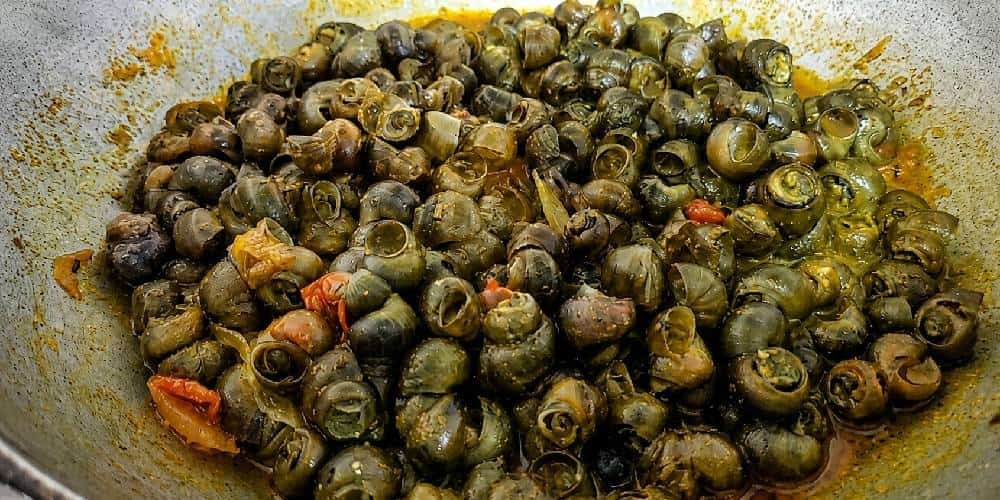
5.4 Ghonghi (Traditional Water Snails)
For travelers looking to taste the real soul of the Terai, this dish is an absolute must-try adventure. Gathered fresh from local paddy fields, these small water snails are left to purge overnight, then their tails are clipped before they are simmered in a rich, velvety gravy thickened with ground linseed (alas), ginger, and plenty of chili.
Forget spoons or forks; eating this is a hands-on, interactive experience. Your local host will show you how to grip the shell and literally suck the highly seasoned, tender meat straight out, giving you a burst of spicy, savory soup that instantly makes your mouth water.
Source: YouTube, Ride with ARJUN
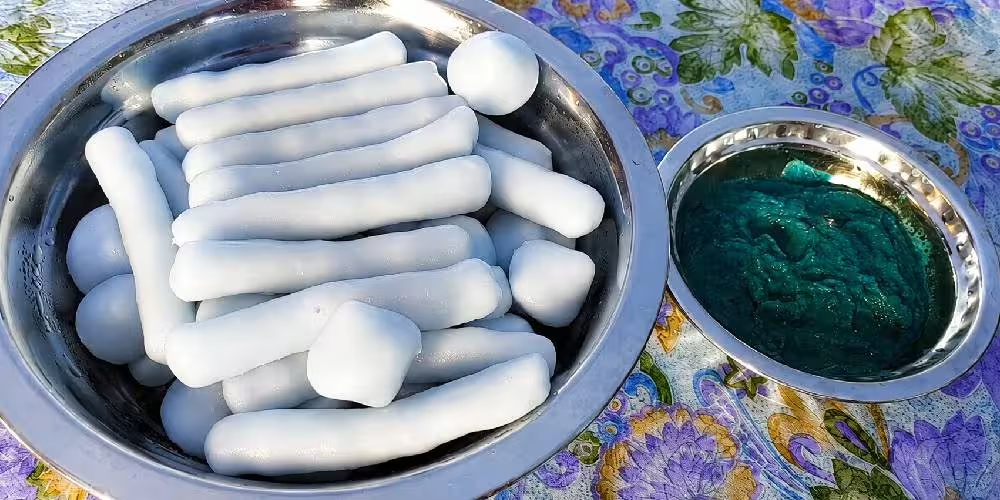
5.5 Chichar or Dhikri
If you want to eat like a true Chitwan local, you start with these rice staples. To create Chichar, sticky rice is steamed until perfectly chewy, while Dhikri takes fresh rice flour dough molded into smooth, pillow-soft shapes over boiling water.
They have a mild, natural sweetness on their own, making them the ultimate blank canvas for bold Terai flavors. The real magic happens when you tear off a warm piece and use it to scoop up a fiery local curry; the soft texture instantly tames the heat and hits the spot.
Source: YouTube, Hamro JivanShaili
5.6 Bagiya
Think of Bagiya as the Terai’s festive dumpling. To make this snack, fresh rice flour is kneaded into a soft dough, hand-shaped with pointed ends, and packed tightly with a savory, spiced lentil paste (mas ko dal) or sweet jaggery before going straight into a hot steamer.
It comes out piping hot, glistening, and perfectly chewy. When you bite through the soft, pillowy layer, it instantly bursts into a gooey, sweet syrup or a rich, savory punch of local spices that leaves your mouth watering for more.
5.7 Khariya or Patushni
This traditional dish is a brilliant showcase of old-school rural resourcefulness. Locals create a rich, seasoned paste of ground black lentils, ginger, and green chilies. This smooth paste is carefully layered and wrapped tightly inside overlapping green taro leaves (karkalo), which are then sliced into pinwheels and steamed or shallow-fried until crisp.
When you bite into it, you get a beautiful crunch on the edges from the fried leaves, followed by a soft, melt-in-your-mouth spiced interior. It is an incredible appetizer you won’t find on standard tourist menus.
5.8 Duck Choila
This is exactly what you want on your plate during a relaxed evening. The preparation starts by slow-roasting a whole duck over an open wood fire until the skin is beautifully charred and crispy. The meat is then hand-shredded and aggressively tossed with raw, heated mustard oil, toasted fenugreek seeds, charred green chilies, and raw garlic.
The wood-fire gives it an unmistakable, deeply intense smoky char that infuses every single bite. It is chewy, fiery, and pairs phenomenally well with a cold drink and a side of crunchy beaten rice.
Source: YouTube, @foodishappyness
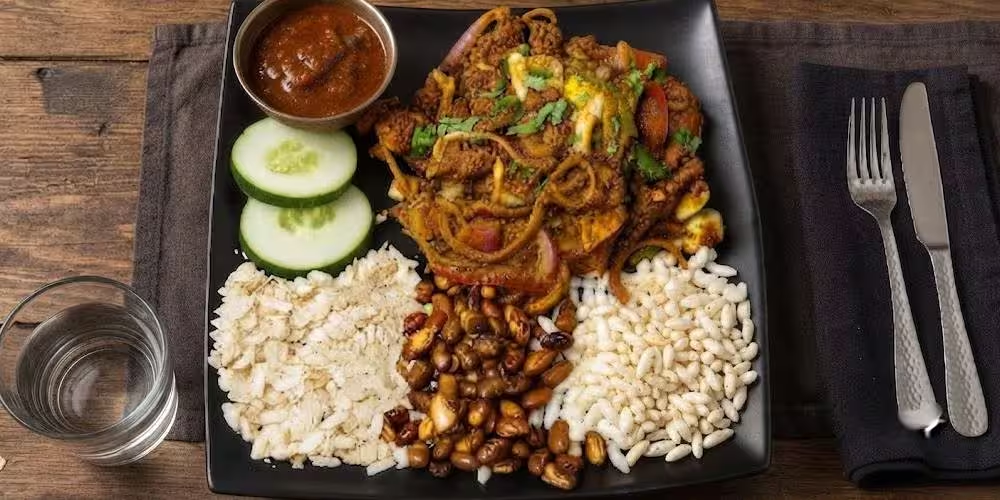
5.9 Authentic Chitwan Taas
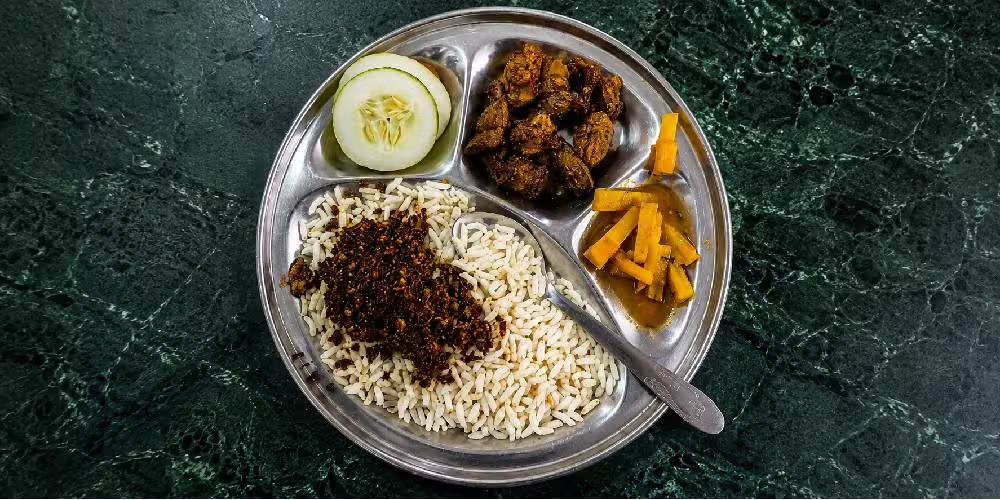
You absolutely cannot leave the district without trying Taas, the undisputed king of local street food. Tender cubes of boneless mutton are marinated for hours in a heavy rub of warm spices like cumin, coriander, and garlic. The meat is then slow-griddled on a massive, thick, concave iron plate (tawa) using oil until the juices dry up and flavor locks in.
The edges turn beautifully dark and crispy while the center stays incredibly juicy. Served sizzling hot with a mountain of crunchy puffed rice (bhuja) and sharp radish pickle, it is the ultimate comfort food after a long day in the wild.
Source: YouTube, @foodishappyness
6. Take Blessings Visiting Religious and Spiritual Places
When you need a clean break from jungle safaris and wildlife tracking, head to Chitwan’s spiritual sites. These peaceful river banks and beautiful temple complexes offer a quiet space to relax your mind.
These stops are exceptionally well-suited for family road trips, slow afternoons, and travelers who want to see how ancient faith mixes with the daily routines of the local people.
6.1 Explore the Sacred Confluence of Devghat Dham
Drive over to this highly revered holy site where the Trishuli and Kali Gandaki rivers meet to form the Narayani. Walk across the long suspension bridge to watch old sadhus praying on the river steps and chanting morning prayers.
Sit quietly under the sprawling banyan trees to observe ancient Vedic cremation rituals and continuous fire ceremonies. It is a deeply atmospheric place that feels completely removed from the tourist streets of Sauraha.
6.2 Take a Nearby Trip to the Gardens of CG Shashwat Dham
Plan a nearby side trip to this pristine temple complex in Devchuli, Nawalpur District, outside Chitwan. Located along the East-West Highway, the center is known for its South Indian-style architecture, central temple shrine, and reflecting pond.
Stroll through the clean, manicured lawns and watch the automated water fountains dance to devotional music. It provides a safe, highly organized, and peaceful environment for families to stretch their legs during a long road trip.
What Is the Best Time to Visit Chitwan?
The absolute best window to plan your Chitwan trip is from October to April. During these dry months, the weather cools down completely, making long jeep safaris and outdoor village walks incredibly comfortable.
Avoid traveling here during the summer monsoon season from June to September. The heavy rains cause the rivers to swell dangerously, flood the forest tracks, and force most safari camps to close down entirely.
I. October to December for Clear Weather
Pack your bags for this period if you want crisp blue skies and fresh air. The monsoon rain clears out by October, leaving the jungle lush and green, while the daytime temperatures stay warm without getting sticky or hot.
It is the perfect season for scenic canoe rides, long cycling trips through the mustard fields, and beautiful river sunsets. Since the weather is so reliable, it works exceptionally well for families and first-time travelers.
II. February to April for Better Wildlife Sightings
Book your trip during these spring months if tracking big wildlife is your main goal. Local communities cut down the tall elephant grass during January, which clears the forest floor and makes it much easier to spot hidden rhinos and tigers.
As the weather heats up, animals are forced out of the thick brush to look for water holes. Spend your afternoons waiting near the riverbeds inside the park, and you will see plenty of wildlife coming down to drink and cool off. Tiger sightings are still rare, so treat them as a lucky bonus instead of expecting one.
III. June to August for Green Forests and Fewer Crowds
Keep your travel schedule completely flexible if you decide to visit during these wet summer monsoon months. While the forests look incredibly vibrant, fresh, and green, the heavy rains create serious logistical challenges for tracking animals.
Most tracks inside the core park zones flood completely, which can cancel jeep safaris and jungle walks without warning. Visit during this low season only if you want extreme privacy, empty hotels, and a slow-paced holiday inside your resort.
You may also read: Best Time to Visit Nepal
Conclusion
Chitwan offers much more than a quick wildlife stop. Spend the morning spotting rhinos and deer in the grasslands, take a quiet canoe ride in the afternoon, and end the day with a plate of spicy mutton taas beside the river.
The best trips balance wildlife, river activities, local food, and community experiences. A well-planned stay gives you time to visit the national park, meet local families, try Tharu dishes, and enjoy the slower rhythm of the southern plains.
Well, planning these experiences together is much easier with local support. So, contact Joyful Eco Treks to plan a smooth and well-organized Chitwan trip. We arrange safari activities, village walks, transport, and comfortable stays based on your travel time and interests.
See more travel stories, destination updates, trekking photos, and trip ideas from Nepal. Follow Joyful Eco Treks on Facebook, Instagram, and TikTok and stay connected with our latest adventures.
FAQs
What are the best things to do in Chitwan at night?
The best things to do in Chitwan at night are watching a Tharu cultural dance show, having dinner near the Rapti River, walking around the main tourist area in Sauraha, and booking an authorized community watchtower stay where it is available.
What are the best things to do in Chitwan with family?
The best things to do in Chitwan with family are taking a short jeep safari, enjoying a calm canoe ride, visiting the Gharial Breeding Center, walking through a Tharu village, watching the Rapti River sunset, and visiting peaceful places like Devghat Dham or CG Shashwat Dham.
Is Chitwan only for a jungle safari?
No, Chitwan is not only for jungle safari. You can also enjoy Tharu culture, local food, riverside views, wetlands, waterfalls, temples, birdwatching, and village experiences.
What food is famous in Chitwan?
White-water rafting is not a standard activity inside Chitwan National Park. In Chitwan, a guided canoe ride is the more common river experience for calm water views, crocodile watching, and birdwatching. Rafting can be added elsewhere on a wider Nepal itinerary, such as on the Trishuli River.
Can you go rafting in Chitwan?
No, you cannot go rafting in Chitwan because rafting needs a faster-flowing river. Instead of rafting, take a canoe ride for calm water views, crocodile watching, birdwatching, and a peaceful river experience.
How many days are enough for Chitwan?
Two to three days are enough for most travelers. This gives you time for a safari, a canoe ride, a jungle walk, cultural activities, and nearby attractions.