Nepal is beautiful throughout the year, but every month does not offer the same travel experience. Some months are better for trekking, some are better for cultural tours, and some work well for jungle safaris, festivals, or quiet holidays.
This creates confusion for many travelers because the right time depends on what you want to do. To help you choose the best time to visit Nepal, we are here with a clear guide on weather, seasons, mountain views, crowds, costs, and travel activities.
What Is the Best Time to Visit Nepal?
The best time to visit Nepal is usually during spring, from March to May, and autumn, from September to November. These months bring better weather, clearer mountain views, and more stable conditions for trekking, tours, and outdoor travel.
Autumn is the best overall time for clear skies, mountain views, trekking, and festivals. Spring is also excellent, especially for warmer weather, blooming rhododendrons, and active trekking trails. Winter works well for city tours and lower-altitude treks, while the monsoon is better for rain-shadow areas like Upper Mustang and Dolpo.
| Travel Goal | Recommended Period | Main Reason |
| Trekking | March to April and October to November | Generally stable conditions and better visibility |
| Mountain flights | September to April, preferably early morning | Better chance of clear Himalayan views |
| Cultural sightseeing | October to March | Cooler and generally drier conditions |
| Jungle safari | January to March | Comfortable temperatures and improved visibility after grass cutting |
| Rhododendron trekking | March to April | Main flowering period |
| Fewer crowds | Winter or monsoon | Lower visitor numbers, depending on the destination |
| Upper Mustang and Dolpo | June to August | Rain-shadow regions receive less monsoon rainfall |
Nepal’s Weather by Season
Nepal has four main travel seasons: spring, monsoon, autumn, and winter. Each season gives a different experience, so the right time depends on your travel plan, route, comfort level, and activity.
The mountains, hills, and plains also have different weather at the same time. Kathmandu and Pokhara may feel mild, the Terai can be hot, and high trekking areas can stay cold even in the popular months.
| Season | Months | Weather | Best For |
| Spring | March to May | Warm days, blooming flowers, mild mountain weather | Trekking, tours, rhododendron forests |
| Monsoon | June to August | Rain, clouds, humid weather, muddy trails | Upper Mustang, Dolpo, quieter travel |
| Autumn | September to November | Clear skies, fresh air, stable weather | Trekking, mountain views, festivals |
| Winter | December to February | Cold mornings, dry weather, snow in high areas | City tours, low-altitude treks, fewer crowds |
1. Spring (March to May): The Season of Blooms
As winter fades, Nepal warms up. Trails come alive with color as massive rhododendron forests bloom across the hillsides.
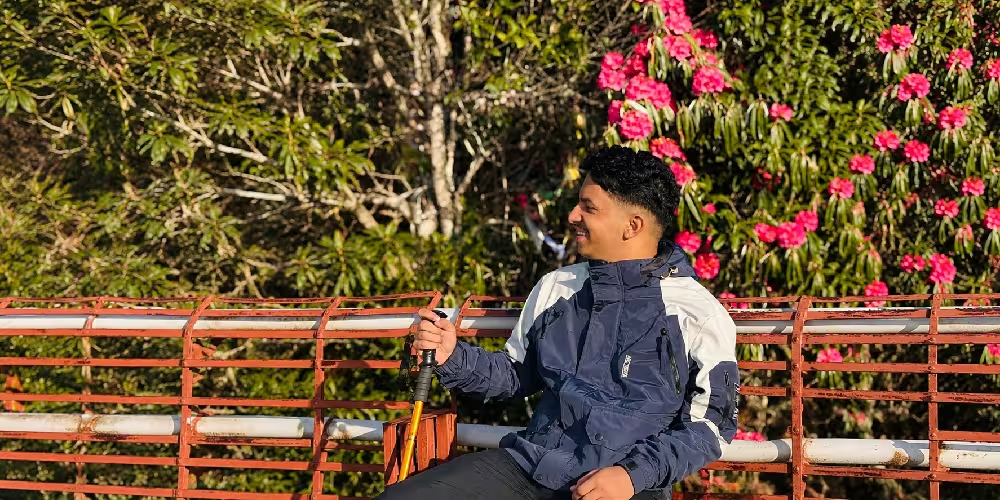
This window is highly recommended for iconic routes like Everest Base Camp, the Annapurna Circuit, Langtang Valley, and the Manaslu Trek. While mornings remain crisp at high elevations, daytime temperatures are incredibly comfortable. Note that late May can bring pre-monsoon haze to lower valleys like Kathmandu.
2. Summer & Monsoon (June to August): The Green Off-Season
The monsoon brings heavy downpours, high humidity, and muddy trails to the majority of the country. Classic trekking routes face flight delays, slippery terrain, and leeches.
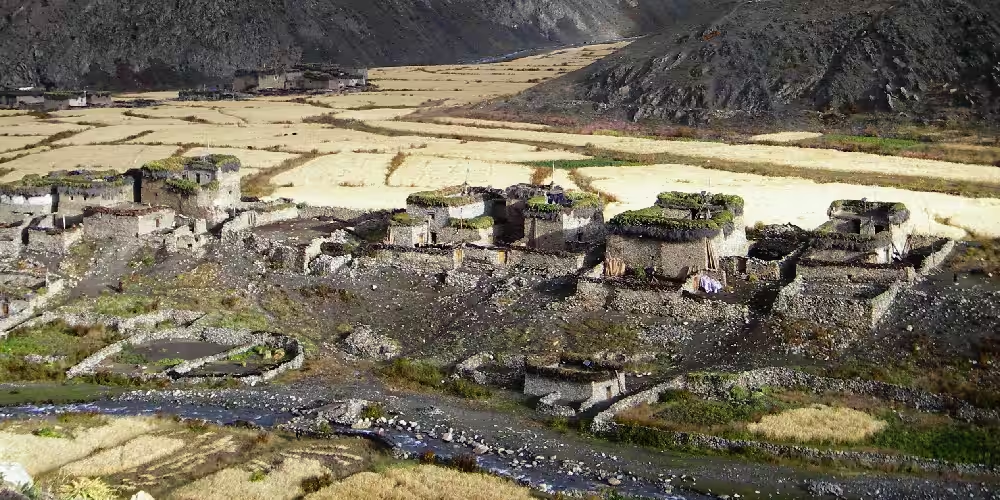
However, this is a good time to visit Nepal’s rain-shadow regions. Enclaves like Upper Mustang and Dolpo sit behind the Himalayas, so they generally receive much less monsoon rainfall than most parts of Nepal, although rain and changing weather are still possible.
3. Autumn (September to November): Peak Perfection
Once the monsoon rains clear the dust from the atmosphere, Nepal enters its most spectacular season. The air is fresh, temperatures are perfectly balanced, and the mountain panoramas are exceptionally sharp.
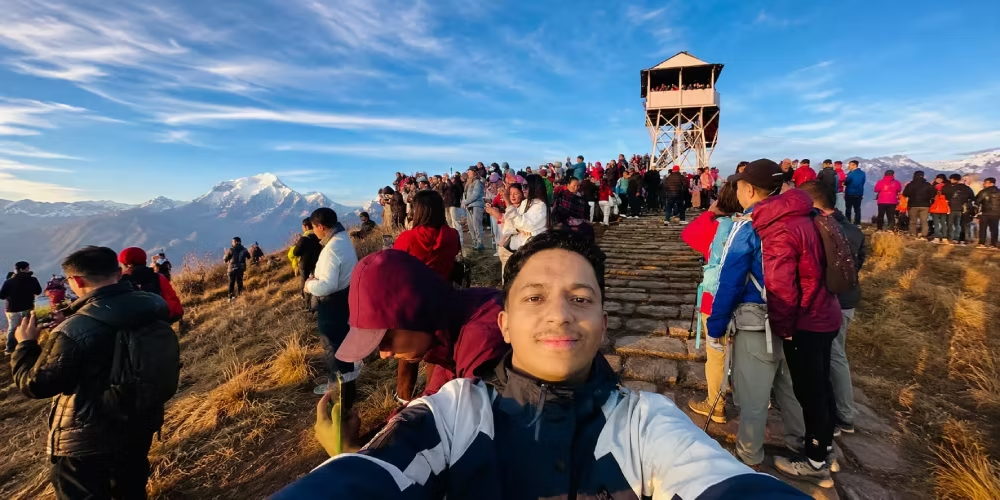
This is the gold standard window for trekking and cultural sightseeing. Because it is peak season, trails and hotels see high traffic; booking your domestic flights, permits, and teahouses well in advance is essential.
4. Winter (December to February): Crisp Skies & Quiet Trails
Winter in Nepal is cold, especially in the Himalayas. Heavy snow can close high passes like Thorong La, so high-altitude trekking needs extra care. However, lower areas often have crisp blue skies, sunny days, and quieter routes.
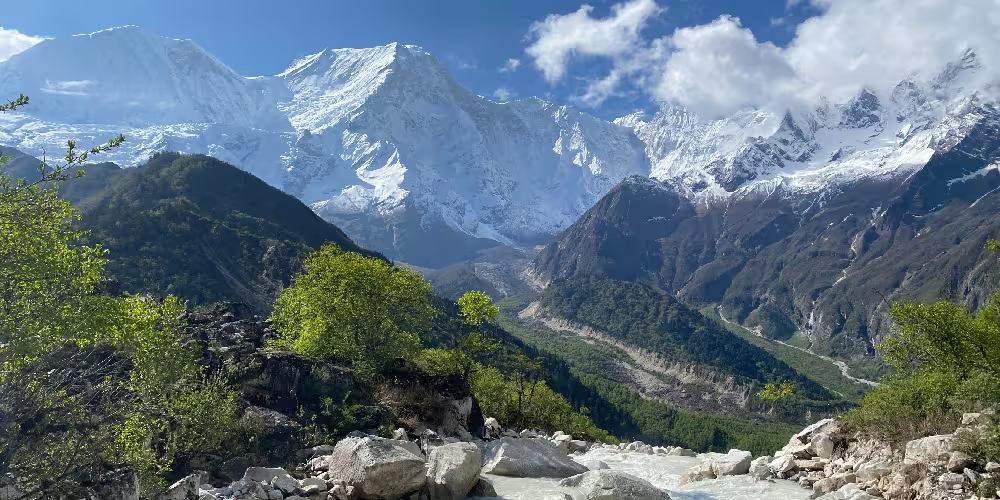
This season works well for lower-altitude treks like Poon Hill or the lower Mardi Himal route. It is also a good time for cultural trips in Pokhara, Kathmandu, and Lumbini, with fewer crowds and often better hotel prices.
Average Temperature in Nepal by Months
Temperatures in Nepal change by location. Kathmandu stays mild, Pokhara is warmer and more humid, while Chitwan National Park is hotter because it lies in Nepal’s southern lowlands.
| Month | Kathmandu | Pokhara | Chitwan National Park |
| January | 3°C to 18°C / 37°F to 64°F | 8°C to 19°C / 46°F to 66°F | 12°C to 23°C / 53°F to 74°F |
| February | 5°C to 21°C / 41°F to 70°F | 10°C to 22°C / 50°F to 72°F | 14°C to 27°C / 57°F to 80°F |
| March | 9°C to 25°C / 48°F to 77°F | 13°C to 26°C / 55°F to 79°F | 18°C to 31°C / 64°F to 88°F |
| April | 12°C to 28°C / 54°F to 82°F | 16°C to 30°C / 61°F to 86°F | 21°C to 35°C / 70°F to 95°F |
| May | 16°C to 29°C / 61°F to 84°F | 20°C to 32°C / 68°F to 90°F | 24°C to 36°C / 76°F to 97°F |
| June | 20°C to 29°C / 68°F to 84°F | 22°C to 32°C / 72°F to 90°F | 27°C to 35°C / 80°F to 95°F |
| July | 20°C to 28°C / 68°F to 82°F | 23°C to 30°C / 73°F to 86°F | 27°C to 33°C / 81°F to 91°F |
| August | 20°C to 28°C / 68°F to 82°F | 23°C to 30°C / 73°F to 86°F | 27°C to 33°C / 80°F to 91°F |
| September | 19°C to 28°C / 66°F to 82°F | 22°C to 30°C / 72°F to 86°F | 26°C to 33°C / 78°F to 91°F |
| October | 14°C to 27°C / 57°F to 81°F | 18°C to 28°C / 64°F to 82°F | 22°C to 32°C / 71°F to 89°F |
| November | 8°C to 23°C / 46°F to 73°F | 12°C to 25°C / 54°F to 77°F | 17°C to 29°C / 62°F to 84°F |
| December | 4°C to 20°C / 39°F to 68°F | 9°C to 22°C / 48°F to 72°F | 13°C to 25°C / 55°F to 77°F |
Note: These are average day and night temperature ranges. Trekking areas above 3,000m / 9,843ft can be much colder, especially at night.
Source note: City-level figures are approximate averages. Actual temperatures vary by year, elevation, and location. Compare seasonal conditions with the Nepal Tourism Board climate information and check the latest forecast before travelling.
Planning by Activity: When Should You Go?
Nepal’s landscape ranges from tropical jungles to the highest peaks on Earth; the right time to visit depends on what you want to experience. Different months bring different adventures, from clear mountain treks to wildlife safaris, cultural tours, and festival trips.
Use this quick breakdown to align your specific travel goals with Nepal’s optimal weather windows:
1. Trekking & Mountaineering
Best Months: October to November & March to April.
The spring and autumn months generally offer the most stable conditions for hiking or trekking. Trails are often drier and visibility is usually better, but mountain weather can still change quickly, especially at higher elevations.
If you want the clearest blue skies and sharpest views of Mount Everest or Annapurna, lock in October or November. If you prefer warmer weather and want to see beautiful forests full of blooming red flowers, aim for March or April.
2. Cultural Sightseeing & Heritage Tours
Best Months: October to March.
Visiting the famous ancient palaces and temples in Kathmandu, Patan, and Bhaktapur requires a lot of walking outside. Planning your tours during these cooler months generally makes outdoor sightseeing more comfortable.
The winter days are bright, sunny, and dry. The air is also very clean, which means you can sit on a city rooftop, drink local tea, and easily spot the snowy mountains far away.
3. Jungle Safaris & Wildlife
Best Months: January to March.
Nepal has amazing jungles in the south where wild rhinos and tigers live. However, during the summer, the jungle grass grows up to 20 feet tall, which makes it very easy for animals to hide from you.
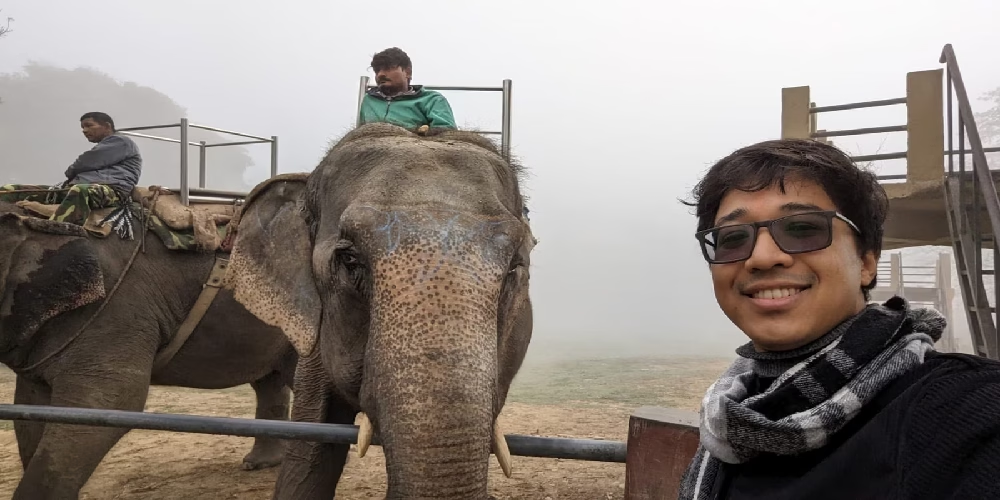
In January, local people cut down the tall grass. This suddenly makes it much easier to spot wildlife. As the weather gets hotter in February and March, animals leave their hiding spaces to drink water at the rivers, giving you the absolute best chance to see them.
4. Capturing the Sharpest Mountain Photos
Best Months: October to November & Early December.
If you want to take stunning photos of the giant mountains, target October or November. After the summer monsoon, the air is often clearer and mountain visibility usually improves. This can give you blue skies and sharp views of the snowy peaks.
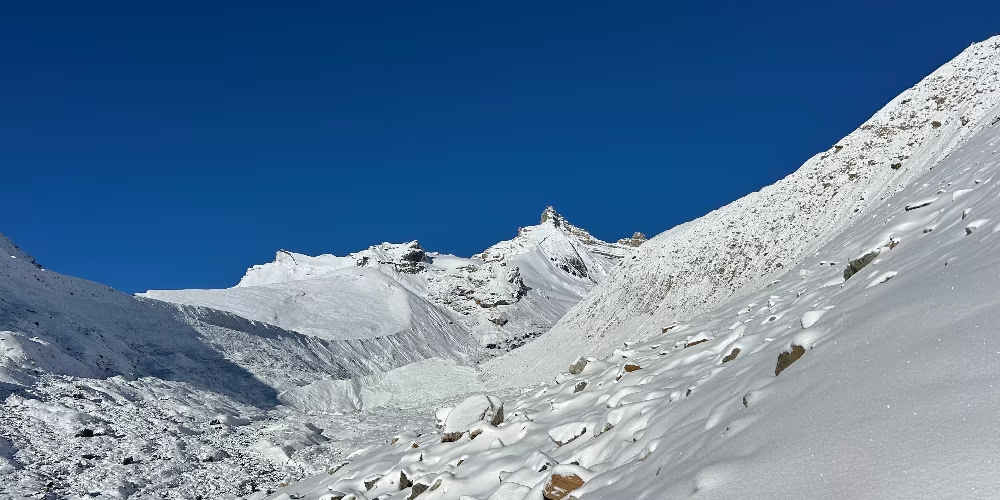
If you want to photograph the big mountains with fewer tourists blocking your shot, early December is an amazing, secret alternative. The weather stays dry, and the skies are still beautifully clear, but the crowded trails empty out, giving you all the space you need for the perfect picture.
5. Experiencing Nepal’s Biggest Festivals
Best Months: September to November & March.
If you want to see Nepal come alive with music, lights, and color, time your vacation around its big festivals. In autumn (September to November), Nepal celebrates Dashain and Tihar. You will see giant bamboo swings in villages and thousands of beautiful oil lamps lighting up the cities at night.
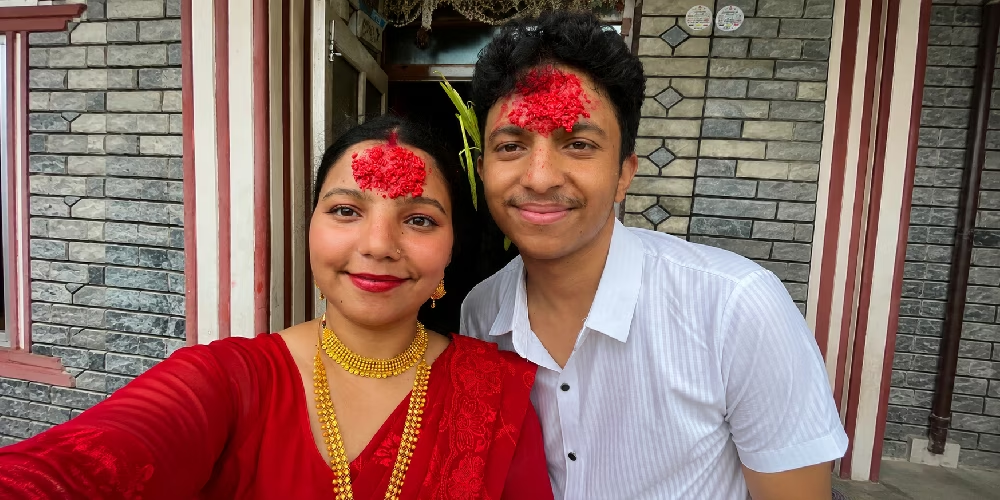
If you travel in March, you can experience Holi. This is the famous festival of colors. The streets turn into a giant, happy party where locals and tourists throw colorful powders at each other.
6. Mountain Flights
Best Months: September to April.
Mountain flights generally offer their clearest Himalayan views during the drier months from September to April. Flights usually operate early in the morning because visibility is often better before clouds, haze, or stronger winds develop later in the day.
October, November, March, and April are popular choices for clear mountain views. Winter mornings can also offer excellent visibility, although fog or changing weather may delay a flight. Mountain flights remain weather-dependent, so keep some flexibility in your itinerary in case the airline reschedules or cancels the flight.
Month-by-Month Travel Cheat Sheet
Nepal changes a lot from month to month. Some months are better for trekking and mountain views, while others work better for city tours, jungle safari, festivals, or quiet travel.
Use this quick month-by-month guide to match your travel plan with the right season.
| Month | Travel Conditions | Best For |
| January | Cold, dry, clear skies | City tours, safari and lower treks |
| February | Cold mornings, clearer days | Lower treks, cultural tours and safari |
| March | Warmer weather, spring begins | Trekking, tours, rhododendrons |
| April | Warm, active trekking season | Trekking, mountain trips, festivals |
| May | Hotter days, light haze possible | Trekking, tours, highland trips |
| June | Monsoon starts | Rain-shadow areas, quiet travel |
| July | Heavy rain in many areas | Upper Mustang, Dolpo |
| August | Rain continues, green hills | Rain-shadow treks, cultural stays |
| September | Monsoon clears slowly | Trekking, tours and early autumn travel |
| October | Clear skies, peak season | Trekking, mountain views, festivals |
| November | Stable weather, sharp views | Trekking, tours, photography |
| December | Cold, dry, fewer crowds | City tours, safari and lower treks |
When Should You Avoid Visiting Nepal?
You do not need to fully avoid Nepal in any month, but some periods are harder for certain trips. For instance, monsoon months from June to August can bring rain, clouds, muddy trails, landslides, leeches, and flight delays in many regions.
Plus, high-altitude treks can also be difficult in deep winter because of snow, freezing nights, and closed high passes. If your plan includes remote trekking, mountain flights, or long road travel, check the season carefully before booking.
Final Recommendation
For most travelers, the best time to visit Nepal is autumn, from September to November, or spring, from March to May. Autumn offers the best setup for clear mountain views, festivals, and stable trekking weather, while spring stands out for warmer days, blooming rhododendrons, and active trails.
Additionally, choose winter if you want fewer crowds, pleasant city tours, jungle safaris, or lower-altitude treks. Save your trip for the monsoon season only if you plan to explore rain-shadow areas like Upper Mustang or Dolpo, or if you do not mind rain, cloudy skies, and slower travel conditions.
Whatever season you choose, Joyful Eco Treks is here to help you plan it the right way. Whether you want trekking, cultural tours, jungle trips, or a custom Nepal holiday, our team can guide you with the best route, timing, and local support. Contact us today to start planning your Nepal trip.
FAQs
Can I travel to Nepal during the monsoon?
Yes, while high-altitude trekking is limited, cultural city tours remain perfectly fine, and trans- Himalayan regions like Upper Mustang are at their absolute best.
When is the cheapest time to fly to Nepal?
The cheapest time to fly to Nepal is usually June to August during the monsoon season and January during mid-winter, when tourist demand is lower.
Is October too crowded for trekking?
No, October is not too crowded for trekking, but it is the busiest month in Nepal. Trails, teahouses, and flights can fill up quickly, so book your guide, permits, rooms, and tickets early.
Is December a good time to visit Nepal?
Yes, December is a good time to visit Nepal for city tours, jungle safaris, and lower-altitude treks. The weather is usually dry and clear, but choose lower routes because mornings, evenings, and mountain areas get very cold.
Is May a good time to visit Nepal?
Yes, May can still be a good time to visit Nepal, especially for trekking and cultural tours. However, lower areas can feel hot, and some places may have haze or afternoon clouds as the monsoon gets closer.
Is June a good time to visit Nepal?
June is not the best month for most classic treks because the monsoon starts. Rain, clouds, muddy trails, leeches, and flight delays can affect travel, but rain-shadow areas like Upper Mustang and Dolpo can still be good options.
What is the best time for trekking in Nepal?
The best time for trekking in Nepal is during the spring and autumn seasons. These months usually bring stable trail conditions, better visibility, and safer mountain weather for routes like Everest Base Camp, Annapurna, Langtang, Manaslu, and Gokyo.
Should I book Nepal trips in advance?
Yes, you should book Nepal trips in advance, especially if you are traveling in October, November, March, or April. These are popular months, so trekking guides, domestic flights, hotels, and permits can get busy, especially around Everest, Annapurna, and major tourist areas.
What is the best time to visit Nepal for fewer crowds?
Winter and monsoon are better for fewer crowds. Winter is better for city tours, Chitwan, Pokhara, and lower treks, while monsoon works better for rain-shadow areas such as Upper Mustang and Dolpo.
What is the worst time to visit Nepal?
There is no single worst time to visit Nepal, but June to August can be difficult for classic treks because of rain, landslides, clouds, leeches, and muddy trails. Deep winter can also be challenging for high-altitude treks due to snow and freezing temperatures.