
Shree Antu Danda sits among the rolling tea hills of Ilam in eastern Nepal. At 2,328 m (7,638 ft), this hill station is known for its sunrise, distant Himalayan peaks, green farms, and calm countryside setting.
Shree Antu is often mentioned as one of Ilam’s top sunrise points, but staying a little longer reveals more: tea gardens beyond the main trail, a quiet walk down to Antu Pokhari, and small farming settlements that make up daily life here.
This guide covers why the destination is famous, what to do, how to reach it, where to stay, nearby attractions, trip costs, and the best season for your visit.
- Shree Antu Danda is known for its sunrise, tea-covered hills, Antu Pokhari, village paths, and calm countryside setting in Ilam.
- The main highlight is the sunrise from Antu View Tower, where clear mornings reveal Kanchenjunga, Kumbhakarna, and layers of eastern hills.
- The best things to do in Shree Antu include tea garden walks, boating, the Gufa Patal hike, photography, village visits, and tasting fresh Ilam tea.
- You can reach Shree Antu by flying to Bhadrapur or traveling by road through Fikkal and Kanyam, with hotels, cottages, and community homestays available nearby.
- The best time to visit Shree Antu is from September to November and March to May, while your total cost depends on transport, room type, meals, and selected activities.
What Is Shree Antu famous for?
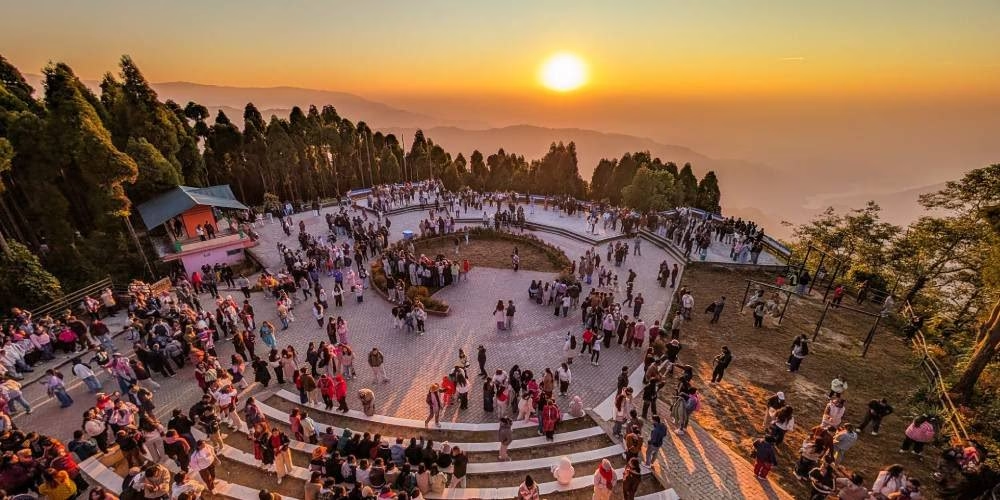
Shree Antu is mainly famous for its sunrise. The hilltop faces directly east, giving a clear, unobstructed view as the sky changes color over layers of rolling hills. On clear mornings, this same view extends to Kanchenjunga, Kumbhakarna, and other snow-capped peaks in the distance, making Antu View Tower one of the few sunrise points in eastern Nepal where you can see both the hills and the high Himalayas from one spot.
Apart from the sunrise, Shree Antu has also become popular for the tea gardens spread across its slopes, the calm countryside setting, and small farming villages nearby. This combination of a famous viewpoint and everyday rural life is what keeps people coming back, not just for a sunrise photo, but for the whole experience around it.
What Are the Best Things to Do in Shree Antu?
The best things to do in Shree Antu start with the sunrise at Antu View Tower, followed by walks through tea gardens, a visit to Antu Pokhari, the hike to Gufa Patal, tasting regional food, photography, and seeing everyday life in nearby communities.
Once the sunrise is over, these activities let you experience the quieter and more natural side of Ilam.
1. Walk Through the Tea Gardens and Learn About Ilam Tea
The tea gardens shape much of the area’s green character. You follow narrow paths between rows of tea bushes, pass small farms, and see workers caring for the plants. The gentle slopes also suit you when you prefer an easy walk instead of a hard hike.
If you want to go beyond the walk itself, nearby tea-picking and factory visits add more meaning to the experience. A farmer explains how the leaves are selected, while the factory tour shows the stages of drying, rolling, sorting, and packing. Tea-picking and factory experiences generally operate from mid-April to mid-November.
2. Visit Antu Pokhari
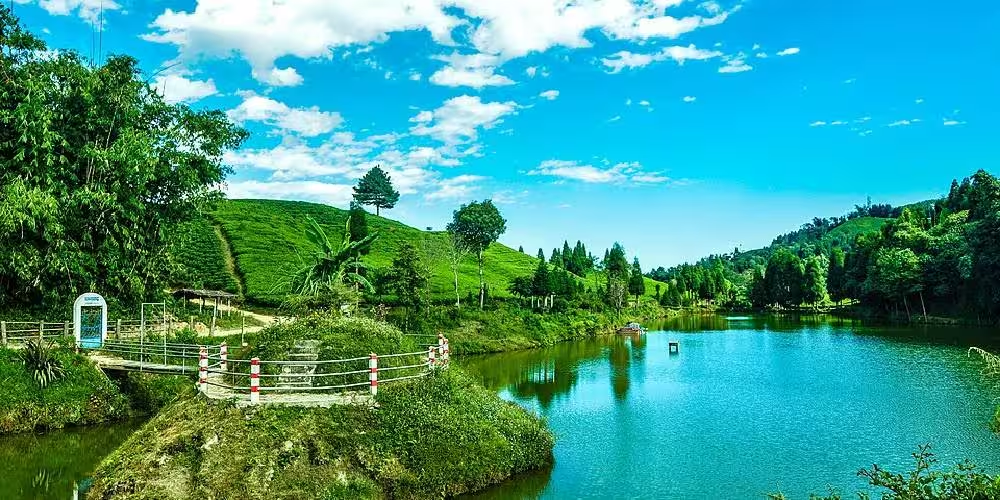
Antu Pokhari offers a quiet change after the early sunrise visit. Trees, cottages, and green hills surround the water, creating a relaxed place for a short break during the day.
You can take a paddle boat across the lake or walk near the shore. The setting works well for families and couples, while solo visitors can sit beside the water and enjoy the calm surroundings.
Source: Wikimedia Commons
3. Hike to Gufa Patal
Gufa Patal offers a longer walking route beyond the main village. The path passes tea fields, streams, pine forests, and rural settlements before reaching the cave and upper viewpoint.
The walk takes around three hours, depending on your starting point and pace. A guide is helpful in unfamiliar forest sections and also shares stories connected with the area.
4. Walk Through Villages and Experience Rural Life
Several communities live across the wider Ilam region, including Lepcha, Rai, Limbu, Tamang, Magar, Brahmin, and Chhetri families. These walks introduce you to farming, house styles, food, and village customs.
Check the location and opening status of any cultural museum before adding it to your plan.
5. Enjoy Photography Around the Hills
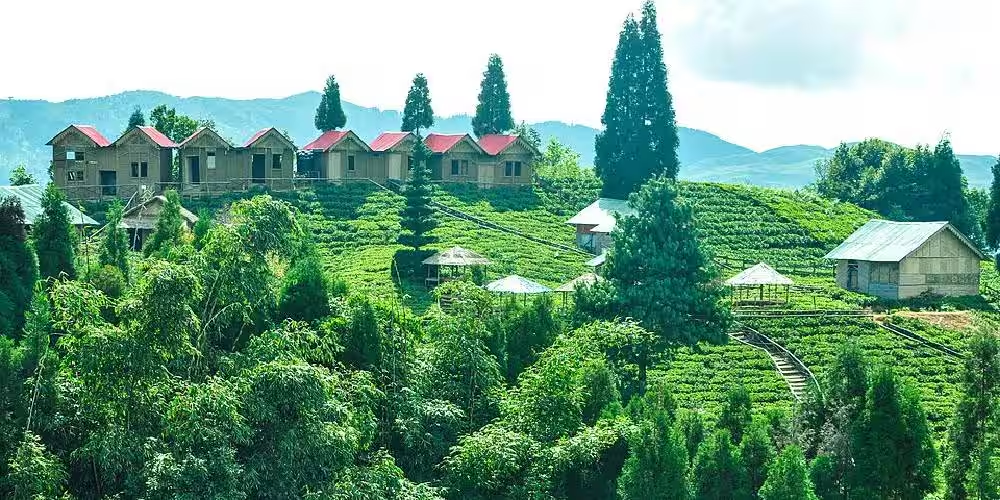
The view tower is the best-known photography spot, but good scenes appear throughout the village. Tea rows curve around the hills, mist settles between farms, and wooden houses stand beside flower-filled gardens.
Early morning brings soft light and open hill views. Later in the day, Antu Pokhari, narrow roads, pine trees, and tea workers offer different photography subjects without requiring long travel between locations.
Source: Wikimedia Commons
6. Try Regional Food and Fresh Ilam Tea
Shree Antu gives you a chance to try several regional dishes that are popular in eastern Nepal. From simple home-cooked meals to a few well-known local specialties, it’s worth trying as much as you can during your stay.
6.1. Fapar ko Roti with Local Honey
Fapar ko roti is a buckwheat flatbread cooked on a hot iron pan. Some homes and eateries serve it with honey, pickles, vegetables, or tea.
The texture and serving style differ from one kitchen to another. Ask your host in advance when you want to try it during your stay.
6.2. Ilam Lollipop and Chhurpi
Ilam is known for dairy products made from cow’s milk. Shops sell milk-based sweets, soft dairy snacks, and hard chhurpi that you can take home as a gift.
These products are easier to find around larger markets and roadside stalls. Check the packaging and storage conditions before buying items for a long journey.
6.3. Tongba
Tongba is a warm fermented millet drink linked with the Limbu and Rai food culture. If you are an adult, you can try it at selected homes, eateries, and cultural sites.
It contains alcohol, so availability depends on the property and host. Ask before ordering, especially when traveling with children or guests who do not drink.
How to Reach Shree Antu?
You reach Shree Antu either by flying from Kathmandu to Bhadrapur and continuing by road or by taking an overnight bus to Ilam. From Bhadrapur, Fikkal, Kanyam, or Ilam Bazaar, jeeps and private vehicles cover the final uphill journey.
1. Kathmandu to Shree Antu
The quickest route begins with a flight from Kathmandu to Bhadrapur. The direct flight takes about 45 minutes. From the airport, you travel by car or jeep toward Birtamod, Fikkal, and Shree Antu.
The road option costs less but takes much longer. Buses from Kathmandu travel toward Ilam overnight. Ask whether the bus stops at Fikkal or continues to Ilam Bazaar, then arrange a shared jeep or reserved vehicle for the final section.
2. Pokhara to Shree Antu
Buddha Air has recently introduced a direct flight between Pokhara and Bhadrapur. Since this is a newer route, confirm the current schedule before booking.
If you prefer traveling by road, buses from Pokhara to Ilam run via Kathmandu, joining the same overnight route described in the Kathmandu to Shree Antu section. This option costs less than flying but takes considerably longer, often close to a full day and a night of travel.
3. Chitwan to Shree Antu
Since Chitwan sits directly on the Mahendra Highway (East-West Highway), you can travel to Ilam by road without detouring through Kathmandu. Buses and shared vehicles run from Bharatpur toward Itahari and onward along the highway, connecting to Ilam via the Mechi Highway near the eastern Tarai.
This road option takes longer than flying but skips the Kathmandu bottleneck entirely. If you prefer a quicker trip, connect through Kathmandu for a short domestic flight to Bhadrapur, then continue by road to Shree Antu.
4. Ilam Bazaar to Shree Antu
Ilam Bazaar works as another starting point when your trip includes the district headquarters. Antu Danda lies about 35 km southeast of the town, though the road journey depends on the route and current conditions.
Shared jeeps connect the main settlements according to daily schedules and passenger demand. A private car works better when you plan stops along the way or need to reach the sunrise area before evening.
Where to Stay in Shree Antu
You can stay in hotels, cottages, or community homestays in Shree Antu. If you want a hotel, cottage, or resort, you’ll get more privacy, an attached bathroom, and predictable comfort. If you want a homestay, you’ll get simpler rooms, home-cooked meals, and a closer look at daily life in the village. It depends on where and how you want to stay.
1. Staying Near Antu Danda and the Sunrise Viewpoint
Stay near Antu Danda when sunrise is your main priority. A nearby room shortens the early morning transfer and leaves you more time to reach the tower before the first light appears.
This part of Shree Antu has small hotels, lodges, cottages, and family-run stays. Before choosing a room, check the bathroom type, hot water, parking, and walking distance to the viewpoint.
2. Staying Near Antu Pokhari
Staying near Antu Pokhari provides easy access to boating, lakeside walks, and a calmer evening setting. It works well when you prefer a slower stay away from the busier route near Antu View Tower.
Cottages, resorts, and small lodges are available around this part of Shree Antu. Check the exact location, room facilities, lake distance, and current operating status before confirming your stay.
3. Community Homestays in Shree Antu Village
A community homestay places you closer to daily life in Shree Antu. You stay with a host family, eat home-cooked meals, and receive help with sunrise transport, tea visits, and nearby walks.
Rooms are usually simpler than hotel rooms, but the stay feels more personal. Shared meals and conversations also give you a closer look at farming, food, and life in the Ilam hills.
Since sunrise is the main reason most people visit Shree Antu, if your priority is catching the sunrise, staying close to the viewpoint makes your morning easier and gives you more time before first light.
Places to Visit Near Shree Antu
The best places to visit near Shree Antu include Kanyam Tea Garden, Fikkal Bazaar, Pashupatinagar, Ilam Bazaar, Mai Pokhari, and Sano Pathibhara Temple.
Several places around Shree Antu add tea gardens, markets, lakes, border-town life, and religious sites to your trip. Some lie along the main route, while others require extra driving time.
1. Kanyam Tea Garden
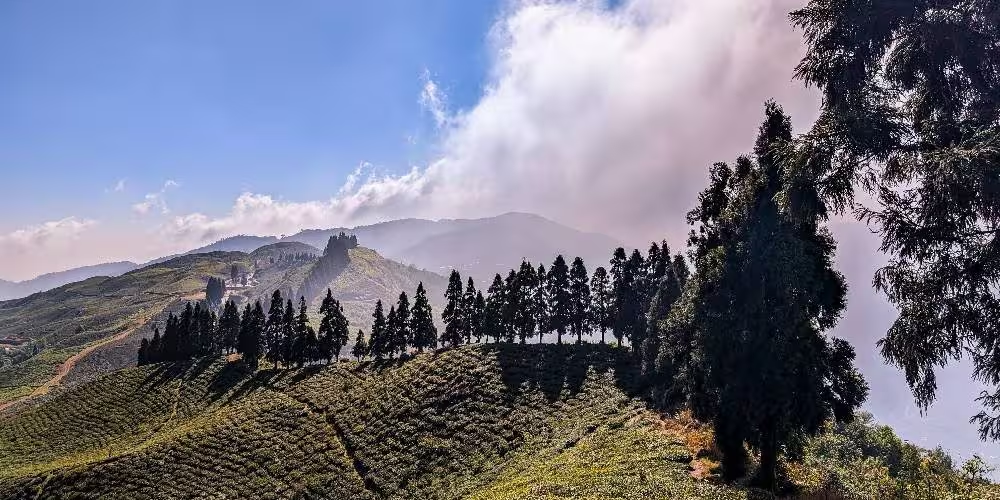
Kanyam is famous for its broad roadside tea gardens and the Kanyam Skywalk. You walk beside the tea bushes, take photographs, enjoy a short horse ride, and stop at roadside shops for fresh Ilam tea.
The glass-bottom Skywalk offers a wide view of the green hills and has become a popular stop for visitors. Spring suits tea-harvesting experiences, while autumn brings clearer skies and comfortable road travel.
2. Fikkal Bazaar
Fikkal is more useful as a market stop than a sightseeing destination. You pass through it for meals, medicine, fuel, banking, shopping, and shared transport.
The town also connects roads toward Kanyam, Pashupatinagar, Ilam Bazaar, and Shree Antu. It is a sensible place to withdraw cash or buy small travel items before entering the quieter villages.

3. Pashupatinagar
Pashupatinagar lies near the Nepal–India border and connects the Ilam region with the Darjeeling district and other parts of West Bengal.
If you plan to cross the border, carry the required identity or visa documents and confirm the current rules with immigration before traveling.
4. Ilam Bazaar
Ilam Bazaar shows you a more urban side of the district. The town has hotels, restaurants, tea shops, markets, older neighborhoods, and road links to western Ilam.
Stay here when you plan more than a short sunrise trip. From Ilam Bazaar, you also get easier access to Mai Pokhari and other places beyond the Antu route.
5. Mai Pokhari
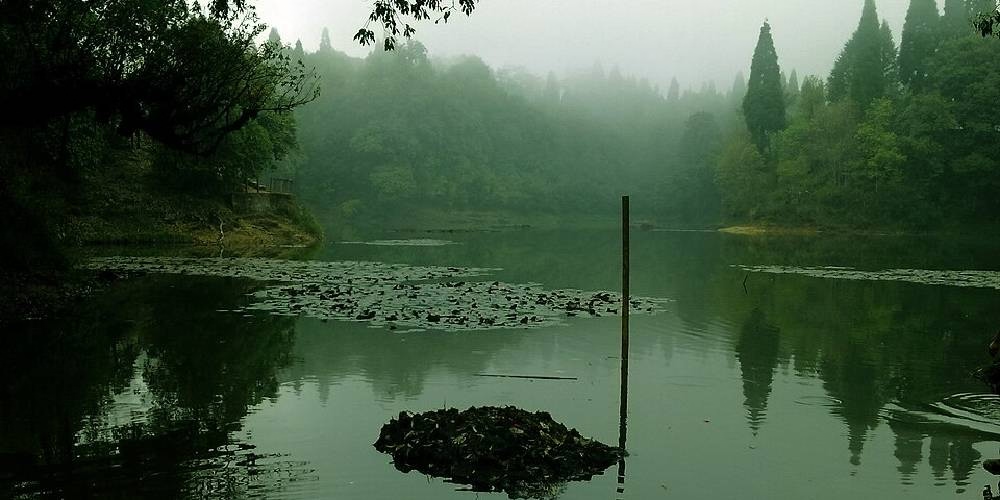
Mai Pokhari is a forest lake with religious and environmental importance. Fir, pine, juniper, birch, and other plants surround its nine-cornered shape.
The lake lies about 13 km north of Ilam Bazaar rather than beside Shree Antu. Add it when you have an extra day for a wider Ilam trip, rather than trying to fit it into a rushed overnight visit.
Source: Wikimedia Commons
6. Sano Pathibhara Temple
Sano Pathibhara Temple stands on a forested hill at Hanspokhari beside the Mechi Highway. You climb a long stone staircase through the woods to reach the shrine, so wear shoes with good grip and carry drinking water.
On a clear day, this high viewpoint opens toward the southern plains and Kanchenjunga. Stalls near the entrance sell religious items, fresh dairy products, and Ilam tea.
How Much Does a Trip to Shree Antu Cost?
A typical 3-to-4-day trip to Shree Antu from Kathmandu costs between NPR 8,000 and NPR 15,000 per person for a budget overland traveler, while a flight-based or premium package can range from NPR 20,000 to NPR 35,000 per person. Your total cost depends on your mode of transport, choice of stay, and whether you travel independently or through a fixed tour package.
| Expense Category | Estimated Cost (NPR) | Operational Notes |
| Budget Transport (Night Bus + Shared Jeep) | 3,000 – 4,500 | Kathmandu to Birtamod or Fikkal by night bus, then a local shared jeep to Shree Antu |
| Mid-Range Transport (Private Jeep, Shared) | 7,000 – 10,000 per person | Hiring a private Tata Sumo or Scorpio split among 6–8 travelers |
| Flight + Jeep | 14,000 – 20,000 | Kathmandu to Bhadrapur flight (approx. NPR 5,000–8,000 one way) plus taxi/jeep to Shree Antu |
| Community Homestay | 1,000 – 1,500 per person, per night | Many homestays bundle the room with dinner and breakfast |
| Standard Hotels & Cottages | 2,000 – 4,000 per room, per night | Includes properties such as Antu Cottage and nearby lakeside stays |
| Boutique Resorts | 5,000 – 10,000+ per room, per night | Higher-end eco-lodges set within the tea gardens |
| Meals | 1,000 – 1,500 per day | Standard Nepali khana sets, local chicken, and tea |
| Activities | 500 – 1,500 per day | Covers the view tower entry, boating on Antu Pokhari, horse riding, or buying Ilam tea to take home |
Cash and Payment Note: Do not depend on finding an ATM inside Shree Antu. Some hotels and homestays accept QR payments, but unstable internet can make digital payments unreliable. Withdraw enough cash in Bhadrapur, Birtamod, Fikkal, or Ilam Bazaar before traveling uphill.
Fixed Tour Package Options
If you prefer booking through a travel agency instead of arranging transport and stays yourself, standard packages generally include:
| Package Type | Starting Price (Per Person) | What’s Included |
| Local Excursion (1 Night / 2 Days) | NPR 3,000 | Typically starts from nearby cities like Biratnagar or Birtamod; includes basic transport, dinner, and breakfast |
| Standard Overland Tour (3 Nights / 4 Days) | NPR 10,500 – 13,000 | Starts from Kathmandu by shared Scorpio/Sumo; covers Shree Antu, Kanyam Tea Garden, and Mai Pokhari with accommodation and meals |
| Premium Flight Package (2 Nights / 3 Days) | NPR 25,000+ | Includes round-trip flights to Bhadrapur, private vehicle transfers, and hotel stays |
What Is the Best Time to Visit Shree Antu?
The best time to visit Shree Antu is from September to November and March to May. Autumn brings clearer sunrise views and drier weather, while spring offers warmer days, green tea fields, and active tea harvesting.
I. Autumn: September to November
Autumn brings dry trails, cooler air, and clearer skies after the monsoon. October and November give you a strong chance of seeing the distant mountains during sunrise. Tea gardens remain green, and road travel becomes easier.
II. Winter: December to February
Winter mornings feel cold, with frost and fog in some areas. Clear days still bring sharp mountain views, but you need warm layers when waiting at the tower. Tea production slows, and factories stop regular operations.
III. Spring: March to May
Spring brings warmer days, fresh leaves, flowers, and active farming. March and April offer a good balance between pleasant daytime weather and clear early mornings. Tea picking begins in April, giving you a chance to join factory tours.
IV. Monsoon: June to August
Monsoon covers the hills in bright greenery and low mist. The tea gardens look fresh, but the rain makes the village paths slippery. This season suits you when you enjoy green hills and a misty atmosphere, though clouds often block the sunrise and mountain views.
Conclusion
Shree Antu Danda offers more than a sunrise from the hilltop. Tea-covered slopes, quiet village roads, Antu Pokhari, fresh Ilam tea, and warm hospitality turn a short visit into a peaceful break in eastern Nepal.
One night covers the sunrise, Antu Pokhari, and nearby tea gardens. Two nights give you more time for Gufa Patal, tea activities, boating, and slower village walks. Wider Ilam attractions such as Mai Pokhari, Ilam Bazaar, and Sano Pathibhara require additional travel time.
Traveling on your own often means juggling multiple bookings, unclear schedules, and higher costs when things don’t line up. Whether you’re planning just the sunrise or a longer stay across Ilam’s tea hills, arranging transport, accommodation, and local logistics in advance makes the trip far smoother and often more affordable.
If you’d rather not manage each detail yourself, Joyful Eco Treks can help you plan a well-paced visit through Shree Antu and the wider Ilam region.
See more travel stories, destination updates, trekking photos, and trip ideas from Nepal. Follow Joyful Eco Treks on Facebook, Instagram, and TikTok and stay connected with our latest adventures.
FAQs
What are the road conditions and local transport options in Shree Antu?
The road conditions in Shree Antu are generally good along the main routes through Bhadrapur, Kanyam, and Fikkal. Closer to the village, the roads become narrower and often turn muddy during heavy rain. Shared jeeps run on local schedules, while reserved vehicles provide direct transfers.
Is Shree Antu Danda worth visiting?
Yes, Shree Antu Danda is worth visiting for its sunrise, tea-covered hills, peaceful villages, local food, and easy nature walks. In addition, it offers a relaxing short trip without the physical demands of a mountain trek.
Do you need a guide in Shree Antu?
No, you do not need a guide for Antu View Tower, Antu Pokhari, the tea gardens, or the main roads. A guide is helpful for Gufa Patal and unfamiliar forest paths.
Is Shree Antu safe for solo travelers?
Yes, Shree Antu is generally suitable for solo travelers. Arrange your early morning transport through your hotel or host, and avoid unfamiliar forest paths alone after dark.
Is Shree Antu suitable for children and older travelers?
Yes, Shree Antu is suitable for children and older travelers. The final walk to the viewpoint goes uphill, so follow a slow pace and wear shoes with good grip.
Are ATMs and digital payments available in Shree Antu?
No, ATMs and digital payment options are limited in Shree Antu. Therefore, carry enough Nepali rupees before reaching your accommodation.
Are mobile networks and the internet available in Shree Antu?
Yes, mobile networks and internet services are available in Shree Antu. In addition, most hotels and homestays provide Wi-Fi.
Does Shree Antu receive snowfall?
No, Shree Antu does not usually receive snowfall. Instead, winter brings cold air, frost, mist, and low morning temperatures.