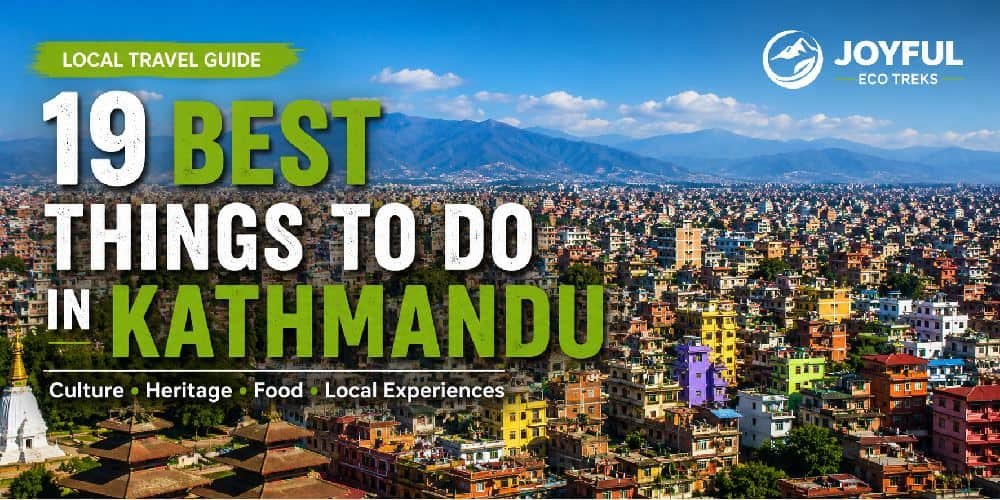
Kathmandu is often the first stop for people visiting Nepal. Some arrive before a trek, some come for a short city stay, and others pass through on their way elsewhere. But many leave after seeing only the few places that appear in a quick search. Even locals, who know the city far better, often miss its quieter corners and everyday experiences simply because they are not actively looking for them.
As a result, both visitors and residents often see only a small part of what Kathmandu has to offer. Beyond the famous landmarks, the city is full of old neighborhoods, temple courtyards, local food spots, and peaceful valley viewpoints. These places make the city feel more local, layered, and worth spending time in.
The best things to do in Kathmandu include exploring Kathmandu Durbar Square and the old city, visiting Swayambhunath, walking the kora at Boudhanath, watching the evening aarti at Pashupatinath, exploring Ason and Indra Chowk, trying Newari food, and taking short trips to Patan and Bhaktapur. These experiences combine heritage, religion, markets, food, art, and everyday local life in and around the Kathmandu Valley.
Quick View: Top Things to Do in Kathmandu
| Activity | Best for | Time required | Location |
| Heritage walk through Old Kathmandu | First-time visitors and culture | 2–3 hours | Basantapur / Old Kathmandu |
| Swayambhunath | City views and heritage | 1–2 hours | Swayambhu, Kathmandu |
| Boudhanath kora | Buddhist culture | 1–2 hours | Boudha, Kathmandu |
| Pashupatinath evening aarti | Spiritual experience | 1–2 hours | Pashupatinath, Kathmandu |
| Newari food trail | Food lovers | 2–3 hours | Ason, Patan, or Kirtipur |
| Pottery in Bhaktapur | Families and craft lovers | 1–2 hours | Pottery Square, Bhaktapur |
| Shivapuri Nagarjun hike | Nature and hiking | 3–7 hours | Shivapuri Nagarjun National Park |
| Chandragiri cable car | Families and viewpoints | 3–5 hours | Thankot / Chandragiri |
- Kathmandu is worth exploring for its close mix of heritage sites, sacred spaces, markets, food streets, craft traditions, and everyday local life.
- The best things to do in Kathmandu are visit heritage sites and temple visits, try Newari food trails, join craft sessions, short hikes, valley day trips, mountain flights, and more.
- Different Kathmandu experiences suit different travelers, from first-time visitors and couples to families, food lovers, culture lovers, nature lovers, and night visitors.
- Before visiting Kathmandu, prepare for visas, cash payments, local transport, dust, traffic, food safety, temple etiquette, and entry ticket rules.
- The best time to visit Kathmandu is during autumn or spring, while winter and monsoon also work well, depending on your plans.
Why is Kathmandu Worth Exploring?
Kathmandu is worth exploring because few cities place heritage, religion, food, and daily life so close together. Old palace squares, temple courtyards, Buddhist stupas, Hindu shrines, markets, and craft streets are part of everyday Kathmandu, not places set apart only for visitors. They still remain part of daily prayer, trade, festivals, food, work, and local gatherings.
The Valley also carries deep cultural and religious value. Its seven UNESCO-listed monument zones include Kathmandu Durbar Square, Patan Durbar Square, Bhaktapur Durbar Square, Swayambhu, Boudhanath, Pashupatinath, and Changu Narayan. These sites show the valley’s long history through Newar (an ethnic group in Nepal) architecture, wood carving, stone work, religious art, and active worship.
What makes the experience stronger is the variety within a short distance. One side of the city shows busy market life, while another opens into quiet courtyards, monastery areas, hill viewpoints, or traditional food streets. This mix makes the city useful for culture lovers, food lovers, families, couples, locals, and first-time visitors.
You may also read: Best Time to Visit Nepal
What are the Unmissable Things to Do in Kathmandu?
The unmissable things to do in Kathmandu include old-city walks, temple visits, market exploration, food experiences, craft sessions, museums, quiet gardens, evening rituals, and hilltop viewpoints. These experiences show Kathmandu through heritage, worship, markets, food, art, quiet corners, and daily life.
After exploring Kathmandu city, the nearby places in the valley add more variety without requiring a long trip. Lalitpur and Bhaktapur are easy to reach from the capital. Patan is known for art and metal craft, Bhaktapur for pottery and Newari culture, while Changu Narayan, Chandragiri, Shivapuri, and Nagarkot add temples, viewpoints, hikes, and short outdoor experiences.
1. Take a Heritage Walk Through Old Kathmandu
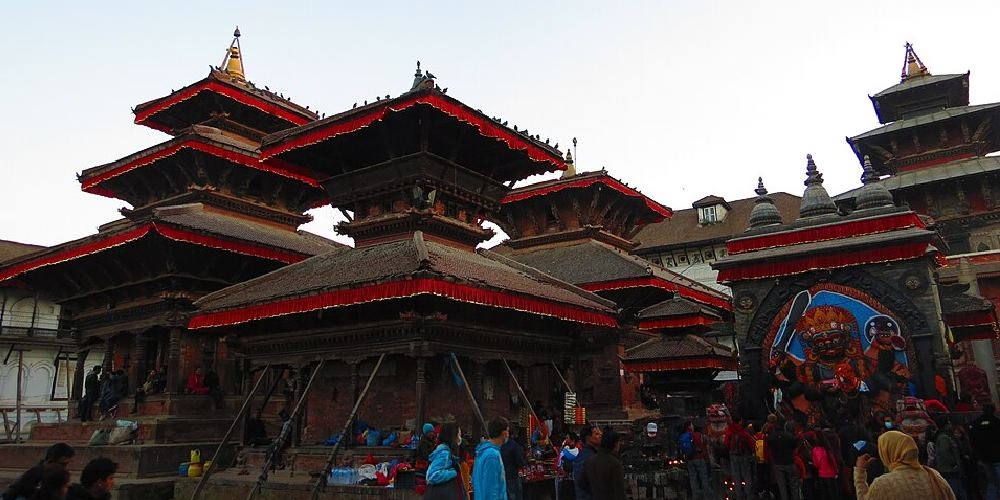
A heritage walk through Old Kathmandu gives you a better sense of the city than a quick ride through its busy roads. Start around Kathmandu Durbar Square, then walk toward Freak Street and the nearby Newari courtyards, where old brick lanes, carved wooden windows, stone taps, and temple squares still show the historic shape of the city.
Go early in the morning for a calmer experience, before the main squares get busy. As you walk, notice the small details around doorways, courtyard monasteries, and daily prayer spaces. A local guide makes this route easier to understand by explaining the stories behind old buildings, hidden shrines, and the traditions that still shape life in this part.
Source: Wikimedia Commons
Best for: Culture and first-time visitors | Time required: 2–3 hours | Best time: Early morning | Location: Old Kathmandu / Basantapur
2. Explore Ason and Indra Chowk’s Market Life
Ason and Indra Chowk give you a direct look at how Kathmandu shops, trades, and moves through the day. Ason has been an old market area for generations, with spice sellers, vegetable vendors, grain shops, fabric stores, sweet stalls, and small temples packed into narrow lanes.
Similarly, Indra Chowk is a short walk from Ason and has its own market character. You find textiles, prayer beads, religious items, and the Akash Bhairav Temple near the center of the area. Walk slowly, keep an eye on your personal belongings in the dense crowd, and try a fresh local snack from a busy stall.
Best for: Markets, local life, and street photography | Time required: 1–2 hours | Best time: Morning | Location: Ason and Indra Chowk
3. Take a Guided Rickshaw Tour
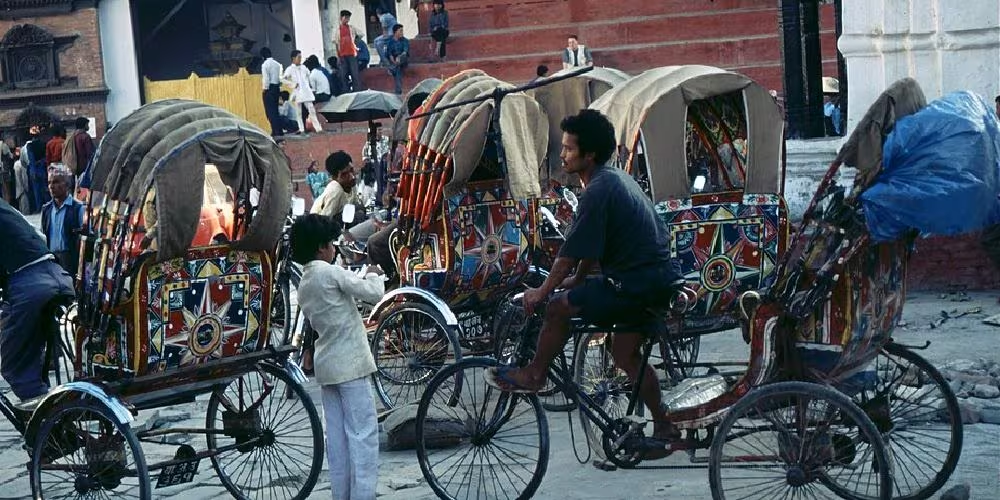
A cycle rickshaw ride gives you a slower way to move through Kathmandu’s old streets without turning it into another walking tour. Since it follows the same historic core you just explored on foot, it is a great way to rest your legs while still soaking in the energy. The ride passes through the narrow lanes of Thamel, Ason, and Indra Chowk, where shopfronts, shrines, and market crowds are easy to notice at a gentle pace.
This works well when you want a light evening activity. It is also useful for families, couples, or anyone who wants to see the old city without covering the full route on foot. Agree on the price and route before starting, keep the ride short, and choose late afternoon when the streets feel alive.
Source: Wikimedia Commons
Best for: Couples, families, and light sightseeing | Time required: 30–60 minutes | Best time: Late afternoon | Location: Thamel, Ason, and Indra Chowk
4. Climb to Swayambhunath for City Views
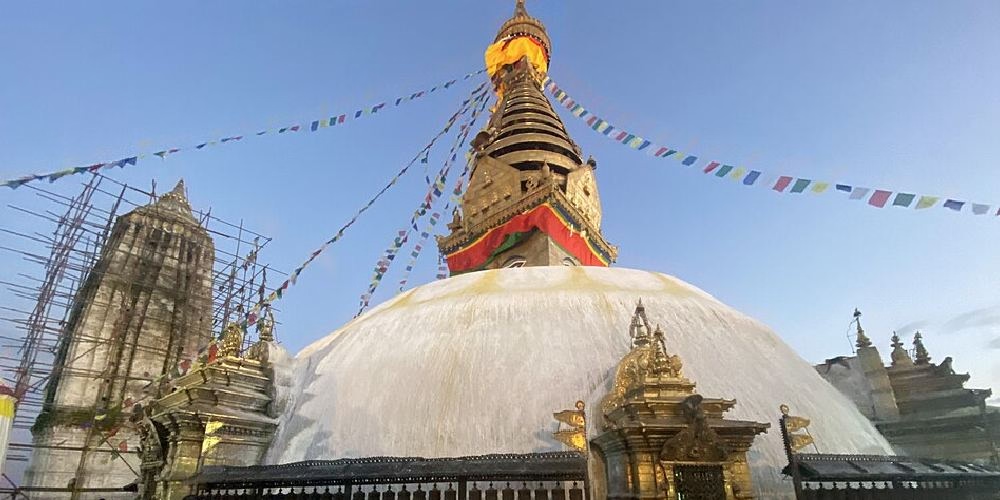
Swayambhunath, also called the Monkey Temple, sits on a hill west of the center, so the visit begins with a short climb. The stone steps lead past prayer flags, small shrines, and playful monkeys before opening to a wide view of the valley. From the top, you see the city spread below with temple roofs, dense neighborhoods, and distant hills on clear days.
The hilltop feels active throughout the day, but late afternoon gives excellent light for photos. Take time to observe how seamlessly Buddhist and Hindu symbols share the same sacred space around the complex. This is one of the easiest ways to add culture, movement, and a viewpoint to the same plan.
Source: Wikimedia Commons
Best for: Heritage, photography, and city views | Time required: 1–2 hours | Best time: Early morning or late afternoon | Location: Swayambhu, west Kathmandu
5. Walk the Kora Around Boudhanath Stupa
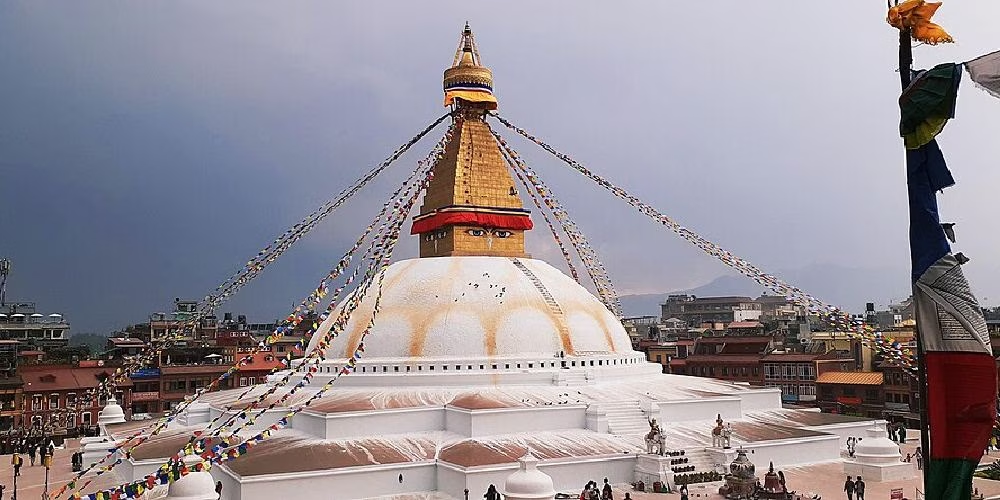
Boudhanath is linked with the story of Jyajyima, a poor poultry herder who wished to build a massive stupa as an offering to the Buddha. Her devotion is still remembered today, and it gives the place a deeper meaning beyond its size and beauty.
Join the local pilgrims to walk clockwise around the massive white dome, a practice known as a “kora,” and spin the bronze prayer wheels along the wall. Early morning feels peaceful with the smell of incense, while evening brings burning butter lamps, soft lights, and a stronger local atmosphere.
Source: Wikimedia Commons
Best for: Buddhist culture, photography, and a calm evening | Time required: 1–2 hours | Best time: Early morning or evening | Location: Boudha, Kathmandu
6. Spend Quiet Time at Kopan Monastery
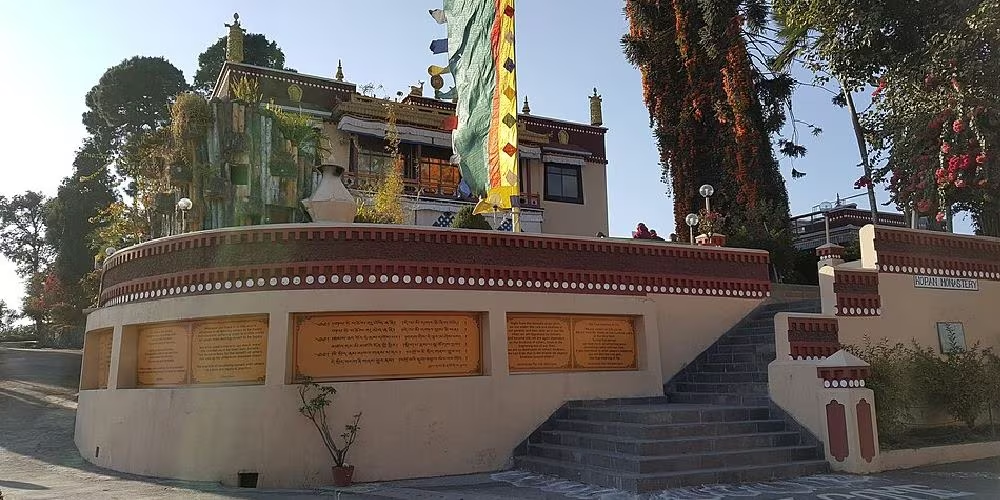
Kopan Monastery sits on a hill in Kapan, just north of Boudhanath on the Chabahil side of Kathmandu. It began as a center for Mahayana Buddhist study and practice, and today it remains an active monastery where monks, students, and visitors come for learning, meditation, and quiet reflection.
You do not need to join a full course to visit. A short walk around the grounds gives you access to beautifully painted prayer halls, paths shared with monks in maroon robes, garden areas, and wide views over the northern side of Kathmandu Valley.
Source: Wikimedia Commons
Best for: Quiet reflection, Buddhism, and valley views | Time required: 1–2 hours | Best time: Morning | Location: Kapan, north of Boudhanath
7. Watch the Evening Aarti at Pashupatinath
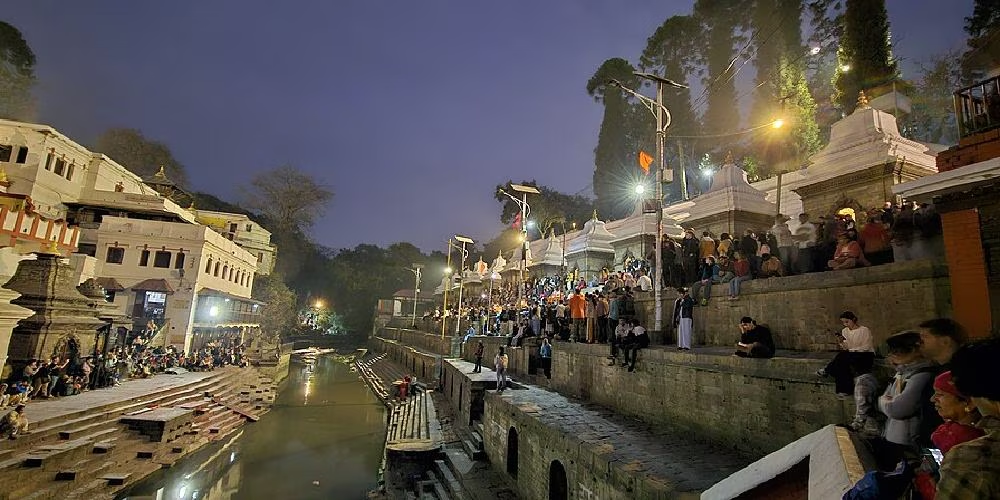
The evening aarti at Pashupatinath gives you a powerful look at Hindu worship in Kathmandu. The ceremony takes place beside the Bagmati River, where priests offer large oil lamps, chant prayers, ring bells, and move in rhythm while devotees watch from nearby.
Arrive before the ceremony begins so you get a proper place to stand or sit. Dress respectfully (cover shoulders and knees), keep your voice low, and avoid blocking worshippers who come for prayer. This is one of the most memorable things to do in Kathmandu at night because it shows the city’s spiritual side through sound, light, and ritual rather than regular sightseeing.
Source: Wikimedia Commons
Best for: Hindu culture and evening rituals | Time required: 1–2 hours | Best time: Evening | Location: Pashupatinath Temple, Bagmati River
8. Follow a Newari Food Trail
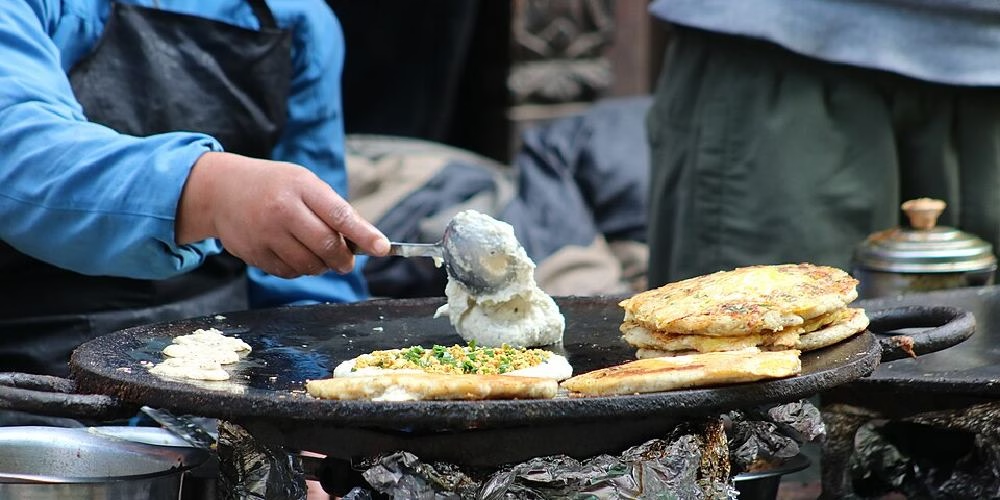
A Newari food trail gives you one of the most local tastes of Kathmandu Valley. Newari cuisine comes from the native Newar community and is closely linked with festivals, family gatherings, and traditional feasts. Dishes like yomari (sweet rice-flour dumplings), bara (lentil patties), choila (spiced grilled meat), and samay baji (a traditional platter) bring rich flavors to the table.
Explore older food areas such as Patan, Kirtipur, or the alleys of Ason, and take enough time to taste slowly. Instead of eating at tourist restaurants, look for small, busy local eateries where families have cooked these specialties for decades.
Source: Wikimedia Commons
Best for: Food lovers and local culture | Time required: 2–3 hours | Best time: Lunch or early evening | Location: Ason, Patan, or Kirtipur
9. Take a Nepali Cooking Class
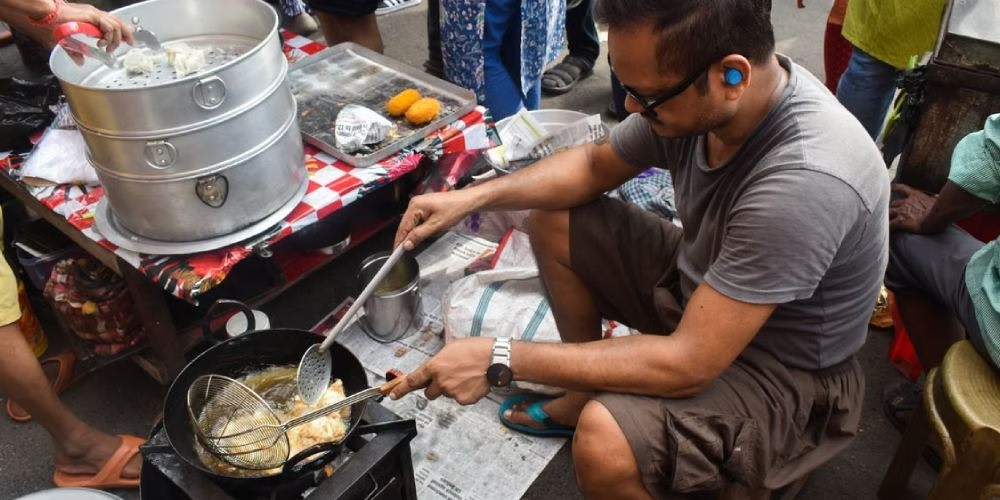
A Nepali cooking class is a hands-on way to understand Kathmandu through food. Instead of only ordering dishes at a restaurant, you learn how everyday meals are prepared, why certain spices matter, and how local flavors come together. You will find many cooking classes around Thamel and in private kitchens across the valley.
Most classes start with simple ingredients like rice, lentils, seasonal vegetables, spices, and fresh herbs. From there, you will learn the exact physical technique of mixing savory fillings and folding momo dumplings by hand, or preparing a proper dal bhat. The class usually ends with a shared meal, which makes the experience feel very personal.
Source: Wikimedia Commons
Best for: Food lovers, families, and hands-on experiences | Time required: 3–4 hours | Best time: Morning or afternoon | Location: Thamel and local kitchens around Kathmandu Valley
10. Try Pottery in Bhaktapur
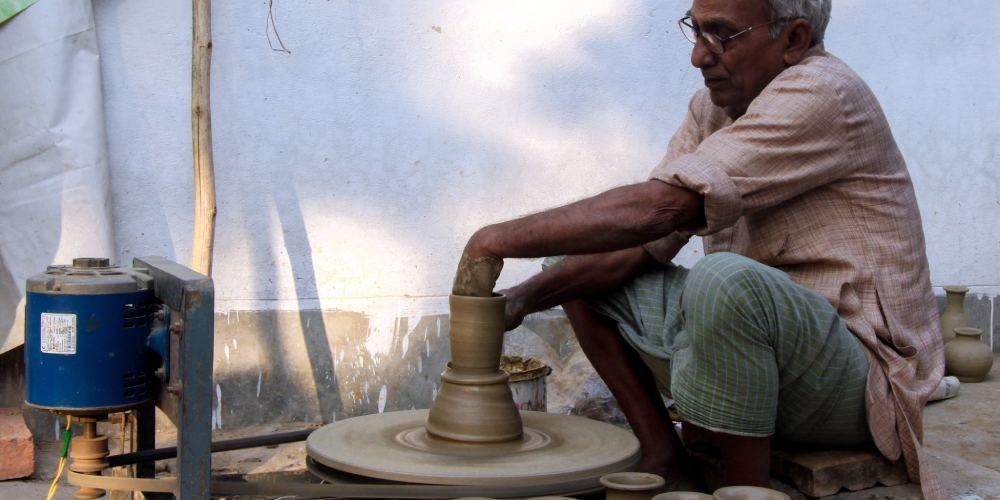
Talako Pottery Square (also widely known as Kumal Tole) shows one of the valley’s oldest craft traditions. The Prajapati community has shaped clay here for generations, using local black clay known as Dyo Cha. Walk through the square, and you will see potters working at large wheels, rows of clay pots drying in the sun, and traditional kilns firing nearby.
Trying pottery yourself makes the visit more memorable than simply watching. Several workshops let you sit at the wheel and shape clay with guidance, which quickly shows how much skill the craft requires. Pair this stop with Bhaktapur Durbar Square, try juju dhau (sweet king yogurt) from a clay bowl, and plan around one to two hours for the pottery area.
Source: Wikimedia Commons
Best for: Families, craft lovers, and cultural day trips | Time required: 1–2 hours | Best time: Morning or daytime | Location: Talako Pottery Square, Bhaktapur
11. Learn Traditional Art and Craft in Patan
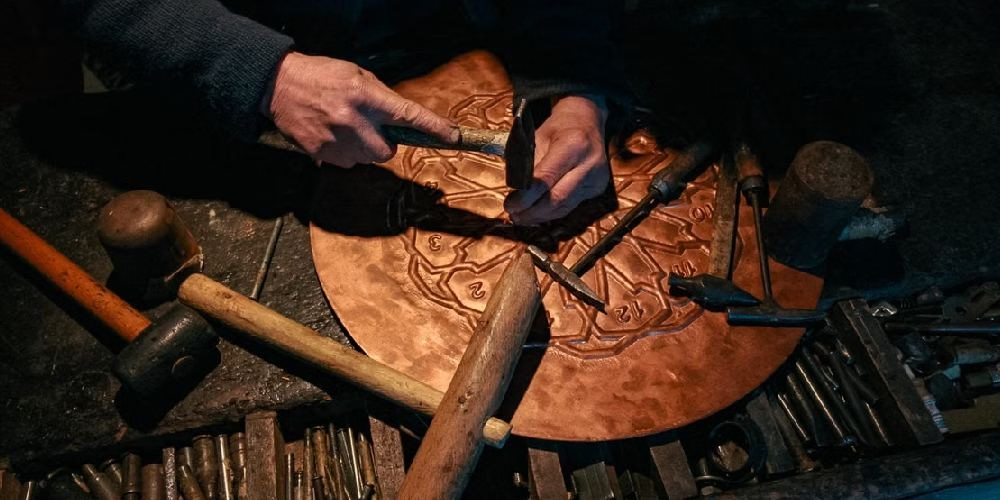
Patan, also called Lalitpur, has long been known for Newar art, metalwork, and religious sculpture. Around the lanes near Patan Durbar Square, you may hear the sound of copper and brass being shaped inside small family workshops. Many artists still use old methods such as lost-wax casting, where a wax model is covered in clay, melted out, and replaced with molten metal to form a statue.
Pair a workshop visit with the Patan Museum for a better context. The museum helps you understand the same art forms you see in the streets, from Buddhist and Hindu sculptures to detailed metal pieces made by Newar artists.
Source: Wikimedia Commons
Best for: Art, history, and craft traditions | Time required: 2–3 hours | Best time: Daytime | Location: Patan Durbar Square and nearby lanes, Lalitpur
12. Join a Thangka, Paubha, or Singing Bowl Session
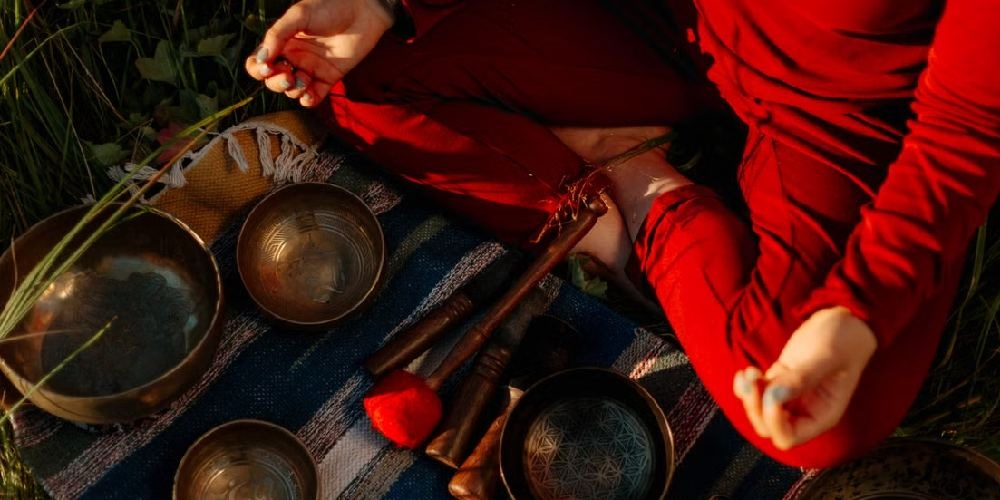
A Thangka or Paubha session gives you a close look at sacred art in Kathmandu. Thangka follows Tibetan Buddhist tradition, while Paubha belongs to the Newar art tradition of the valley. In a short studio visit, you watch an artist work with fine lines, religious symbols, shading, and gold details.
A singing bowl session gives a slower indoor break after busy sightseeing. The bowl is played by tapping it or moving a mallet around the rim to create a steady sound. Thangka and Paubha schools are common around Boudhanath and Patan, while singing bowl studios are easy to find in Thamel.
Source: Wikimedia Commons
Best for: Sacred art, wellness, and indoor cultural experiences | Time required: 1–2 hours | Best time: Daytime | Location: Boudhanath, Patan, or Thamel
13. Relax at the Garden of Dreams
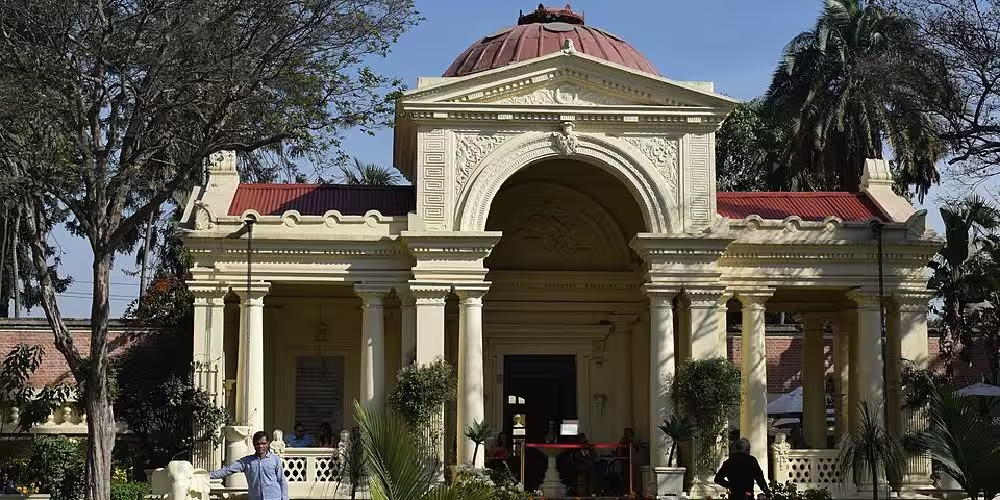
The Garden of Dreams gives you a quiet break right beside Thamel. Built in the 1920s by Kaiser Shumsher Rana (son of Chandra Shumsher), the garden was later restored after years of neglect. Today, its lawns, pavilions, fountains, pergolas, and shaded corners offer a calm change from the traffic and narrow streets outside.
This is not a place to rush through like a monument. It works best as a pause between busier stops, especially when you want to rest, read, drink coffee, or let your feet recover after walking around the city. You also see squirrels moving across the lawns and benches, which adds to the garden’s quiet feel.
Source: Wikimedia Commons
Best for: Couples, families, and a quiet break | Time required: 1–2 hours | Best time: Late afternoon | Location: Kaiser Mahal, beside Thamel
14. Take a Hike in Shivapuri Nagarjun National Park
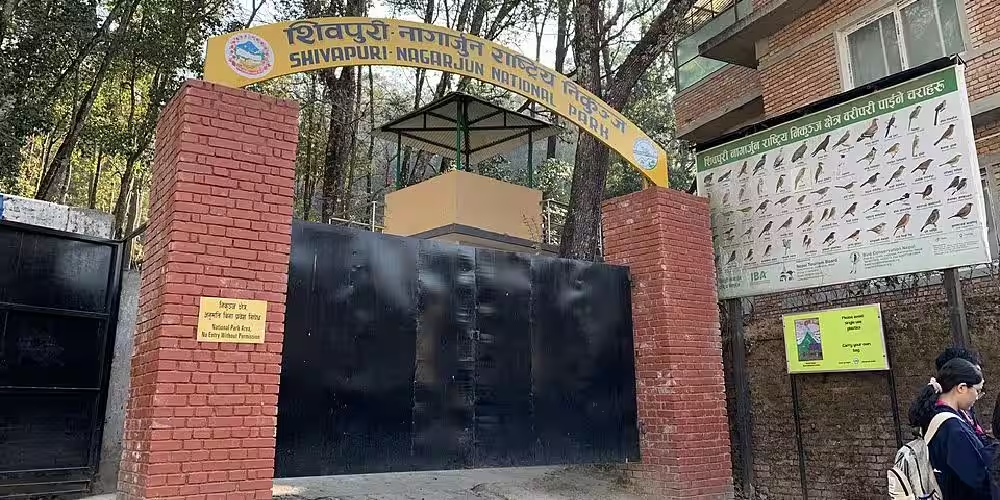
Shivapuri Nagarjun National Park is the easiest way to leave Kathmandu’s noise without going far. The park is split into different zones, so you must choose your trailhead beforehand based on how long you want to walk:
The West Rim (Nagarjun Forest): Take a short taxi ride to Phulbari Gate. From here, you can do a shorter, steep hike up to the Jamacho hilltop. It takes about 3 to 4 hours round-trip and features a small monastery, stupa, and great valley views.
Source: Wikimedia Commons
The North Rim (Shivapuri Peak): Start from Budhanilkantha or Sundarijal for a longer and more challenging route toward Nagi Gompa, Bagdwar, or Shivapuri Peak. The Sundarijal side feels more refreshing because the trail passes near water sources, streams, small waterfalls, and forested sections before climbing higher into the park.
Best for: Nature lovers and hikers | Time required: 3–7 hours, depending on route | Best time: Early morning | Location: Phulbari Gate, Budhanilkantha, or Sundarijal
15. Ride the Cable Car to Chandragiri Hills
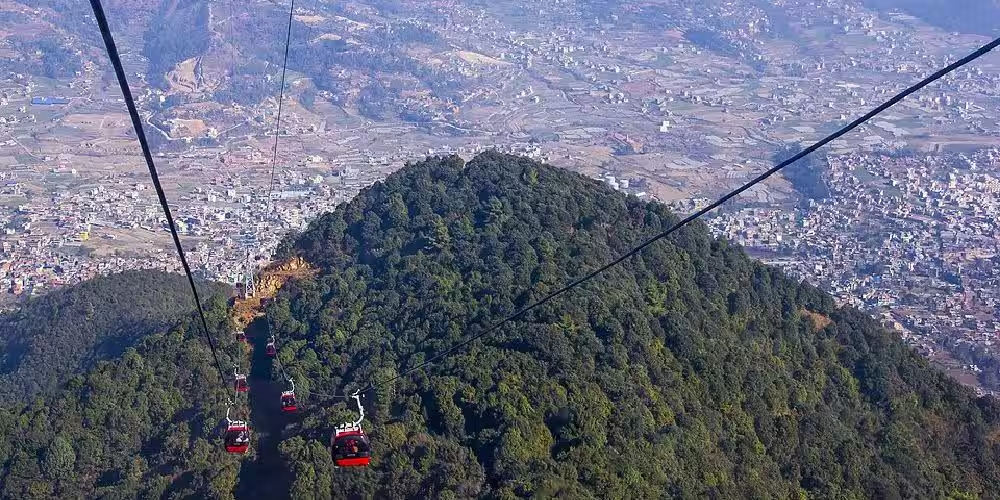
Chandragiri Hills gives you an easy escape from Kathmandu with history, legend, and wide valley views in one trip. At the top, Bhaleshwor Mahadev Temple marks the sacred spot where Sati Devi’s forehead is believed to have fallen to Earth. The hill is also remembered as the place where King Prithvi Narayan Shah viewed Kathmandu Valley before his campaign to unify Nepal.
The cable car ride starts from Thankot and takes you above forested slopes toward the hilltop in a few minutes. On a clear day, the summit opens to views of the distant Himalayan range. After reaching the top, you can visit the temple, walk to the viewpoints, or sit at a cafe. Check the cable car schedule before visiting because service stops during bad weather.
Source: Wikimedia Commons
Best for: Families, couples, and panoramic views | Time required: 3–5 hours | Best time: Morning on a clear day | Location: Thankot / Chandragiri Hills
16. Plan a Short Kathmandu Valley Day Experience
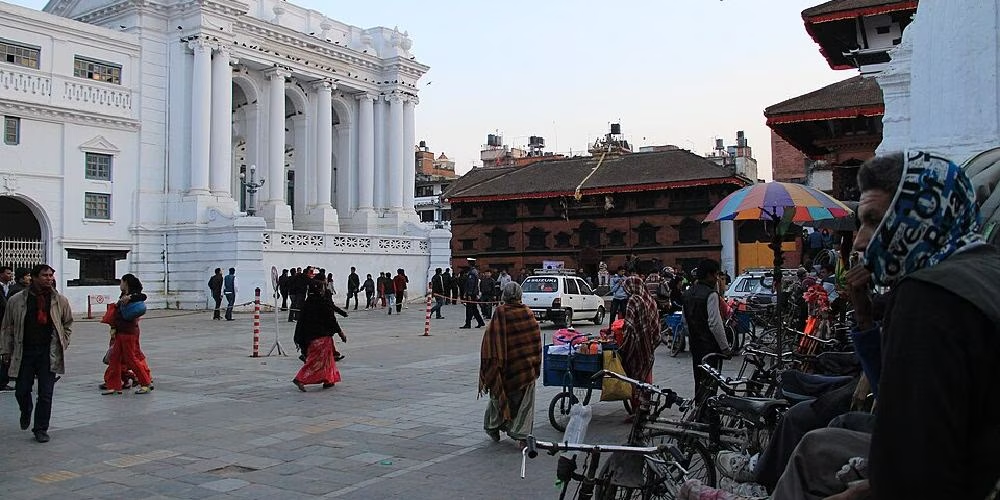
A short Kathmandu Valley day experience works well when you want history and scenery without staying inside the busy city center. Changu Narayan is one of the best choices for this because it is one of Nepal’s oldest temple sites and sits on a quiet hill near Bhaktapur. The temple area gives you a slower look at the valley, with traditional houses, stone carvings, old shrines, and views that feel different from central Kathmandu.
Pair Changu Narayan with Bhaktapur if you want a full cultural day, or add Nagarkot if you prefer sunrise views and a short ridge walk. Start early so the day does not feel rushed, especially if you plan to include more than one stop. A half day is enough for Changu Narayan alone, while Bhaktapur or Nagarkot makes it better as a full-day plan.
Source: Wikimedia Commons
Best for: Culture, scenery, and short day trips | Time required: Half day to full day | Best time: Early morning start | Location: Changu Narayan, Bhaktapur, and Nagarkot
17. Try a Mountain Flight From Kathmandu
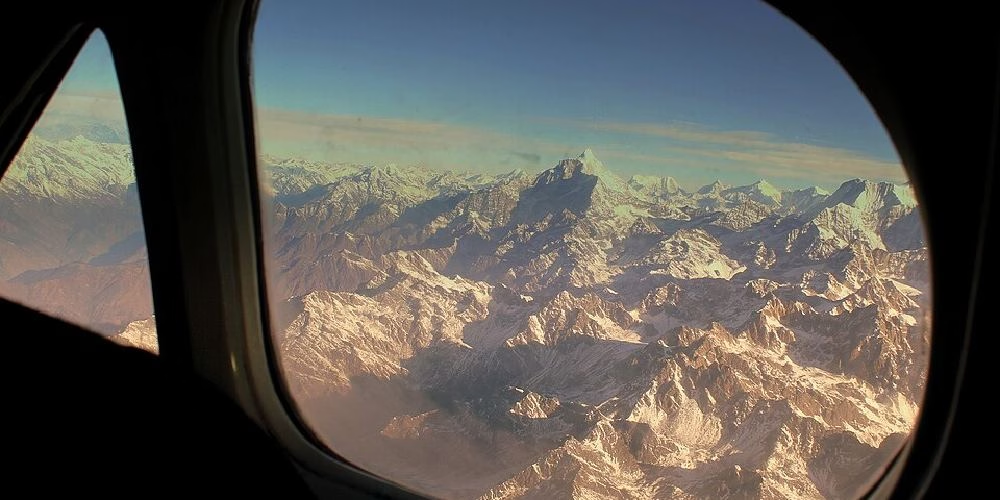
A mountain flight from Kathmandu gives you a close view of the Himalayas without trekking for days. These early morning flights follow the mountain range from the Valley toward Everest, with views of high Himalayan summits when the weather is clear.
This is a good option if your time is short, your group includes family members, or you want a scenic experience without a long trek. Flights leave from the domestic terminal of Tribhuvan International Airport and last about one hour in the air. Book the first morning flight when possible, keep your schedule flexible, and expect delays or rescheduling if visibility is poor.
Source: Wikimedia Commons
Best for: Families, short stays, and Himalayan views | Time required: About 2–3 hours including airport time | Best time: Early morning | Location: Tribhuvan International Airport domestic terminal
18. Enjoy Thamel in the Evening
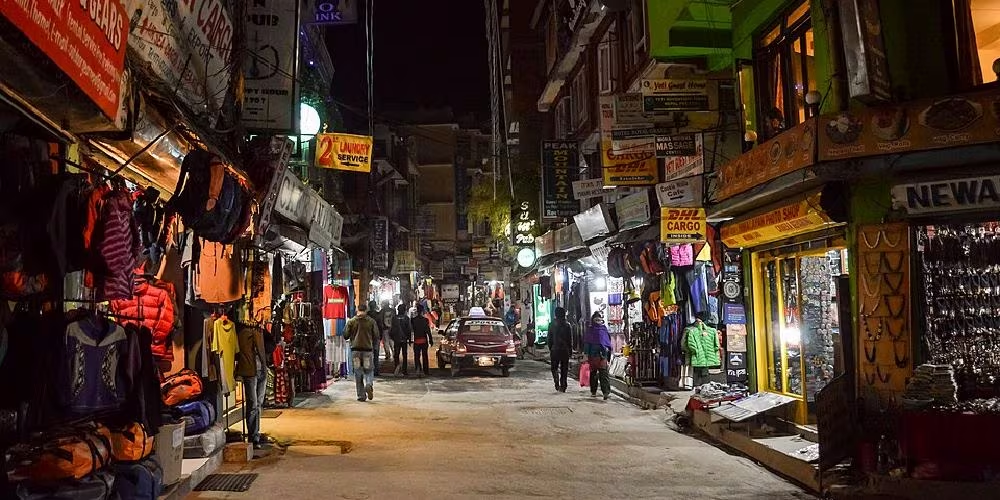
Thamel has grown from an old local neighborhood into Kathmandu’s main tourist area. It became popular during the hippie trail years and later developed into a busy hub for trekking shops, hotels, restaurants, and travel offices. Even today, you will still find old shrines and narrow lanes sitting quietly between the bright signs.
Source: Wikimedia Commons
Evening is the best time to feel Thamel’s energy. After sunset, the area fills with rooftop bars, live music, cafés, bookshops, and small shops selling pashmina, jewelry, and souvenirs. Go after 6 PM, plan around two to four hours, and expect fixed prices in most restaurants and bars, while bargaining remains normal at small souvenir stalls.
Best for: Nightlife, food, shopping, and live music | Time required: 2–4 hours | Best time: After 6 PM | Location: Thamel
19. Visit Kathmandu’s Museums and Art Galleries
Kathmandu also has museums and art spaces that help you understand Nepal beyond streets and temples. Narayanhiti Palace Museum gives a look into Nepal’s royal history, while the National Museum in Chhauni shows old weapons, religious art, statues, coins, and cultural objects from different periods.
For a more current art experience, visit the Nepal Art Council in Babar Mahal, where exhibitions often feature Nepali artists, paintings, sculptures, and cultural themes. This museum and gallery plan works well on a slower day, especially when you want an indoor activity or a deeper look at Nepal’s history and creative side.
Best for: History, art, and rainy or slower days | Time required: 2–4 hours | Best time: Late morning or afternoon | Location: Narayanhiti, Chhauni, and Babar Mahal
Which Kathmandu Experiences Suit Your Travel Style Best?
Kathmandu feels different depending on how you want to spend your time. Some plans work better for culture, while others suit food, family time, quiet breaks, evening outings, or short outdoor escapes.
Use the table below to choose the experiences that match your mood, schedule, and company.
| Travel Style | Best Experiences |
| First-time visitors | Heritage walk, Swayambhunath, Boudhanath kora, Pashupatinath aarti |
| Food lovers | Nepali cooking class, Newari food trail, Ason and Indra Chowk market walk |
| Couples | Garden of Dreams, Boudhanath evening walk, Chandragiri Hills, Thamel dinner |
| Families | Pottery in Bhaktapur, Chandragiri cable car, Garden of Dreams, mountain flight |
| Culture lovers | Patan art and craft, Thangka or Paubha session, heritage walk, Changu Narayan |
| Nature lovers | Shivapuri hike, Chandragiri Hills, Nagarkot, Kathmandu Valley day trip |
| Night visitors | Pashupatinath aarti, Thamel evening, Boudhanath rooftop café |
| Locals planning a day out | Cooking class, pottery, singing bowl session, short valley day experience |
Best Time of the Year to Visit Kathmandu
Kathmandu is enjoyable throughout the year, but each season gives the city a different feel. Autumn, from September to November, is the best time for clear skies, mountain views, walking tours, and outdoor plans. This season also brings major festivals like Dashain and Tihar, so the city feels more cultural and festive.
Spring, from March to May, is another good time to explore the city. The weather stays warm, the hills around the valley look colorful, and short hikes feel pleasant before the heavier summer rain begins. This season works well for heritage walks, viewpoints, monastery visits, and outdoor activities near the valley.
Winter, from December to February, is colder in the morning and evening, but the days are usually good for valley tours. Crowds are lighter, hotels feel easier to book, and clear afternoons often bring sharp mountain views. Monsoon, from June to August, brings rain and cloudy skies, but the valley turns green and popular sites feel quieter.
What to Pack for Kathmandu Travel?
For Kathmandu travel, pack for long walks, dusty streets, temple visits, changing weather, and crowded local areas. A light day bag with the right essentials makes your city tour easier, safer, and more comfortable.
- Passport and travel documents: Carry your passport, visa details, hotel booking, travel insurance, and a few copies of important documents. Keep digital copies on your phone as backup.
- Cash and payment card: Bring Nepali rupees for taxis, entry tickets, snacks, markets, and small shops. Keep smaller notes like NPR 100 and NPR 500 for easier payment.
- Comfortable walking shoes: Kathmandu has stone lanes, stairs, uneven paths, and crowded market streets. Wear shoes that stay comfortable for a full day.
- Mask or buff: Dust is common near busy roads and construction areas. A light mask or buff helps during traffic-heavy walks.
- Modest clothing: Pack clothes that cover shoulders and knees for temples, stupas, monasteries, and religious courtyards. A light scarf is also useful.
- Reusable water bottle: Tap water is not safe to drink. Carry a bottle and refill it only with filtered or purified water.
- Power bank and adapter: Maps, ride apps, photos, and calls drain your phone quickly. A power bank and universal adapter help during long sightseeing days.
- Light jacket or rain layer: Kathmandu mornings and evenings can feel cool. A rain layer is useful during the monsoon season.
- Sunscreen and sunglasses: Sun exposure can feel strong during walks, hikes, viewpoints, and day trips. Keep both in your day bag.
- Basic medicine and sanitizer: Carry personal medicine, stomach medicine, motion sickness tablets, band-aids, and hand sanitizer.
- Small day bag: Use a light bag for water, documents, cash, snacks, phone, and camera. Keep it close in crowded areas like Ason, Indra Chowk, and Thamel.
Things to Consider Before You Go: Kathmandu Travel Tips
Before visiting Kathmandu, you should prepare for visa requirements, Local SIMs, cash payments, heavy traffic, dusty streets, food and water safety, temple etiquette, and ticket rules. Knowing these basics will help you avoid common travel hassles and enjoy the city more comfortably.
- Sort your visa early: You can get a Visa on Arrival at Tribhuvan International Airport, but lines can be slow. To save time, fill out the online tourist visa or eTA form (Electronic Travel Authorization) on Nepal’s official immigration portal before flying. Carry cash for the visa fee: US$30 for 15 days, US$50 for 30 days, or US$125 for 90 days.
- Get a local SIM or eSIM: A local SIM helps with maps, calls, ride-hailing apps, hotel contact, and day-trip coordination. Ncell says tourist SIMs are available at Tribhuvan International Airport, and travelers need an original passport for registration.
- Use ride-hailing apps: Pathao, inDrive, Yango, and Uber are useful for short rides around Kathmandu. If your plan includes several stops in one day, booking a private car or taxi for the full day is usually easier than finding a new ride after every visit.
- Cross roads carefully: Busy streets can feel confusing, especially near markets and main junctions. Use zebra crossings, overhead bridges, or marked crossing points where available, and follow local pedestrian movement carefully.
- Prepare for dust: Kathmandu can be dusty near main roads, construction areas, and traffic-heavy streets. Carry a mask or buff, wear comfortable shoes, and avoid long roadside walks when possible.
- Be careful with water and food: Do not drink tap water. Use bottled, filtered, or purified water. Choose busy food stalls where items are cooked fresh, and be cautious with raw salads, cut fruit, and ice in cheaper eateries.
- Follow temple etiquette: Dress modestly, remove shoes where required, and walk clockwise around Buddhist stupas and prayer wheels. Keep your voice low during prayers and rituals.
- Check entry fees and ticket rules: Major heritage sites charge entry fees. Some sites may offer extended tickets or visitor passes, so ask at the ticket counter if you plan to return.
Planning a Kathmandu Tour?
Make your Kathmandu day easier with a guided tour planned around your time, interests, and pace. Joyful Eco Treks helps arrange heritage walks, cultural stops, local food experiences, viewpoints, and short valley trips, so your visit feels clear and well-managed.
Conclusion
Kathmandu rewards the person who takes time to look closer. Its old squares, sacred stupas, working craft traditions, food lanes, hill views, and quieter corners like Kopan Monastery or the Garden of Dreams show a side of the city that a quick stop often misses.
Choose a few experiences from this list that match your pace instead of trying to rush through everything. One day may be enough for the main cultural highlights, but two or three days give you more room for cooking classes, pottery, market walks, short hikes, and valley trips around Bhaktapur or Patan.
If planning the route feels daunting, Joyful Eco Treks offers a Kathmandu Valley tour package that covers many of these experiences, from heritage walks and temple visits to viewpoints and short outdoor stops. This helps you spend less time figuring out logistics and more time actually enjoying the city.
See more travel stories, destination updates, trekking photos, and trip ideas from Nepal. Follow Joyful Eco Treks on Facebook, Instagram, and TikTok and stay connected with our latest adventures.
FAQs
What local experiences should I try in Kathmandu?
Try a heritage walk through old Kathmandu, a Newari food trail, a Nepali cooking class, pottery in Bhaktapur, or a singing bowl session. These activities show the city through food, craft, rituals, and daily life, not only through famous landmarks.
Are there cooking classes in Kathmandu?
Yes, Kathmandu has cooking classes where you learn to make Nepali dishes such as dal bhat, momo, achar, curry, or thukpa. Many classes happen around Thamel or in local-style kitchens and usually end with a shared meal.
Where can I try pottery in Kathmandu Valley?
Bhaktapur is the best place to try pottery in Kathmandu Valley. Talako Pottery Square has local potters, clay wheels, drying pots, and small workshops where visitors can try basic pottery.
What are the best things to do in Kathmandu at night?
At night, watch the evening aarti at Pashupatinath, walk around Boudhanath Stupa, or enjoy restaurants and live music in Thamel. These options give you different sides of the city, from spiritual rituals to lively evening streets.
What are the best things to do in Kathmandu for couples?
Couples can visit the Garden of Dreams, enjoy a rooftop café near Boudhanath, ride the cable car to Chandragiri Hills, or take a quiet walk around Patan or Bhaktapur. These places work well for a relaxed day with good food, views, and cultural stops.
Is Kathmandu good for families?
Yes, Kathmandu is good for families when the day is planned well. Pottery in Bhaktapur, Garden of Dreams, Chandragiri cable car, Boudhanath, and short heritage walks are easy options for mixed age groups.
How many days are enough for a Kathmandu visit?
Three days are enough to see the main cultural highlights of Kathmandu. Four to five days are better if you want to add Bhaktapur, Patan, a cooking class, a short hike, or a valley day trip without rushing.
What food should I try in Kathmandu?
You should try momo, Thakali khana set, Newari khaja set, bara, chatamari, choila, yomari, thukpa, sel roti, and local tea in Kathmandu. For a stronger local food experience, explore Newari eateries in Patan, Kirtipur, Bhaktapur, Asan, or Thamel Bazar.
Is Kathmandu worth visiting before trekking?
Yes, Kathmandu is worth visiting before trekking because it helps you understand Nepal’s culture before exploring Nepal’s best treks. It is also a good place to rest, check gear, arrange permits, and enjoy food, heritage sites, and local experiences before the trek begins.