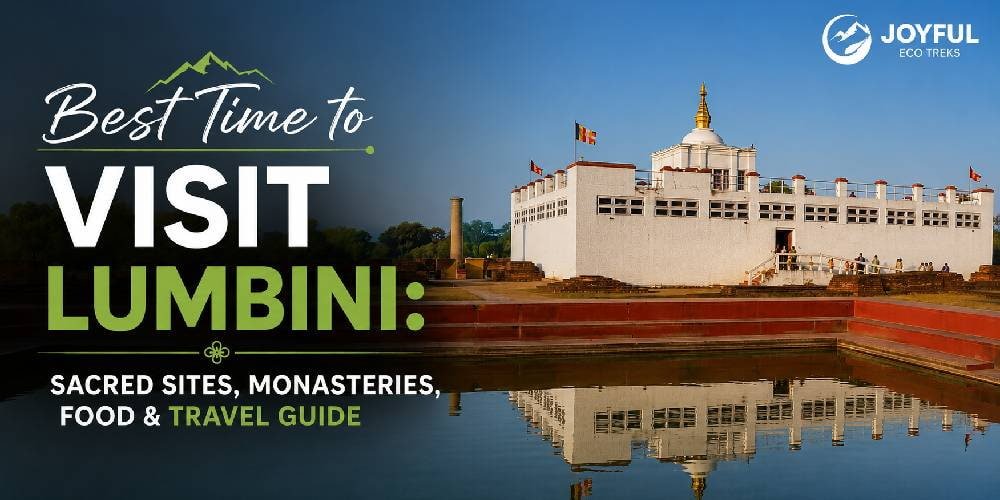
Lumbini is the birthplace of Lord Buddha and a major Buddhist pilgrimage site in Nepal. Its sacred garden, monasteries, museums, and heritage sites are spread across a wide area, so a clear route helps you use your time well.
Without a plan, you spend too long moving between places and miss the meaning behind the main landmarks. The heat, long walking distances, and separate monastic zones also make an unplanned visit tiring.
This guide covers the best things to do in Lumbini, where to begin, which sites deserve priority, what local food to try, and how to see more than the usual highlights.
- Lumbini is worth visiting for its sacred history, Buddhist heritage, peaceful gardens, international monasteries, and calm travel experience.
- The East and West Monastic Zones show Buddhist architecture from different countries, including Thai, Myanmar, Cambodian, Korean, German, and Chinese monasteries.
- Lumbini offers more than the main sacred area, with cycling routes, canal boat rides, meditation spots, prayer rituals, the Lumbini Museum, the Eternal Peace Flame, the World Peace Pagoda, and the Crane Sanctuary.
- Local food and nearby heritage sites like Lumbini Bazaar, Tilaurakot, Ramagrama Stupa, and Devdaha add more depth to the trip, while October to March is the best time for cooler weather.
Best Things to Do and Places to Visit in Lumbini
Here are the best things to do in Lumbini that you should not miss:
- Explore the Maya Devi Temple
- Visit the Marker Stone
- Walk around the Sacred Garden
- See the Ashoka Pillar
- Spend time near the Sacred Pond, also known as Puskarini
- Explore the East and West Monastic Zones
- Stop at the Eternal Peace Flame
- Visit the World Peace Pagoda
- Explore nearby heritage sites like Tilaurakot, Ramagrama, and Devdaha
Other experiences, including the Lumbini Museum, Crane Sanctuary, Central Canal boat ride, cycling, local food, meditation spots, and prayer rituals, are discussed in detail below.
Best Places to Visit in Lumbini in 1 Day
If you have only one day in Lumbini, focus on the main sacred sites first and then move through the Monastic Zone toward the northern part of the complex.
- Morning: Begin at Maya Devi Temple, then visit the Marker Stone, Ashoka Pillar, Sacred Pond, and Sacred Garden.
- Late Morning: Explore a selection of monasteries in the East and West Monastic Zones and take a short break around the Central Canal.
- Afternoon: Visit the Eternal Peace Flame and Lumbini Museum if time allows.
- Late Afternoon: Finish your day at the World Peace Pagoda for a quieter end to the visit.
This order keeps the most historically important places first while reducing unnecessary backtracking.
| Place | Best For | Suggested Time |
| Maya Devi Temple & Sacred Garden | Buddha’s birthplace and history | 1–1.5 hours |
| East & West Monastic Zones | International Buddhist architecture | 2–3 hours |
| Eternal Peace Flame | Peace landmark | 15–20 minutes |
| Lumbini Museum | History and archaeology | 45–60 minutes |
| World Peace Pagoda | Peaceful final stop | 30–45 minutes |
1. Explore the Sacred Garden and Maya Devi Temple
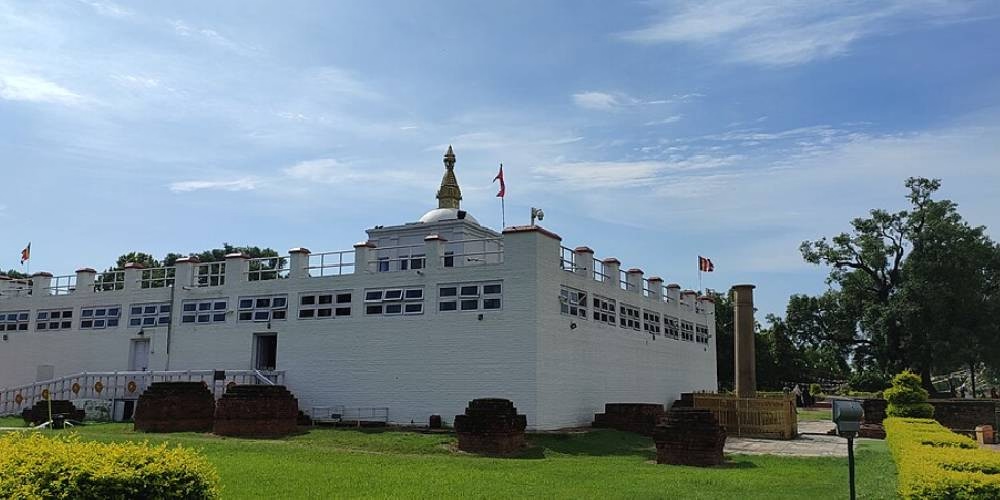
The Sacred Garden stands at the southern end of the Master Plan, the official layout for the Lumbini complex. It preserves the main monuments linked to the birth of Siddhartha Gautama in 623 BC. He later became known as Gautam Buddha.
Visiting the Sacred Garden is among the best things to do in Lumbini. It is far more than a sightseeing spot, serving as a gathering place where pilgrims chant, monks meditate under ancient trees, and visitors step into living history.
Source: Wikimedia Commons
1.1 Step Inside the Maya Devi Temple
The present-day Maya Devi Temple was restored and reopened in 2003 to protect the archaeological remains and sacred birthplace within. Once inside, walk along a raised wooden boardwalk overlooking archaeological remains from several construction phases, including brick structures dating from the 3rd century BC onward.
Visitor Protocol: To maintain the spiritual integrity of the inner sanctum, you must remove your footwear before stepping onto the outer brick pathways, dress modestly (covering shoulders and knees), and leave all food or drinks outside the shrine. Photography is strictly prohibited inside the main birth chamber.
1.2 Stand Before the Marker Stone
Inside the main temple, you will see the ancient Marker Stone protected under glass. This special stone marks the exact spot where the Buddha was born over 2,500 years ago. Because it is the historical heart of Lumbini, standing here feels incredibly powerful.
However, since this is the most popular spot, it gets very crowded. As a result, your time directly in front of the stone might be brief, so everyone in line gets a turn. Therefore, move through the space quietly and show respect to the pilgrims praying beside you.
1.3 Walk Around the Sacred Garden
After seeing the Marker Stone, step outside to explore the wide lawns of the Sacred Garden. Here, you walk among old brick ruins, colorful prayer flags, and massive, shady trees. It is a wonderful space to slow down your pace, take a deep breath, and just relax.
Additionally, timing your walk is the secret to avoiding both the crowds and the intense heat. For example, visiting in the early morning or late afternoon is highly recommended. During these hours, the weather cools down, the light softens, and the garden becomes deeply peaceful.
1.4 See the Ashoka Pillar
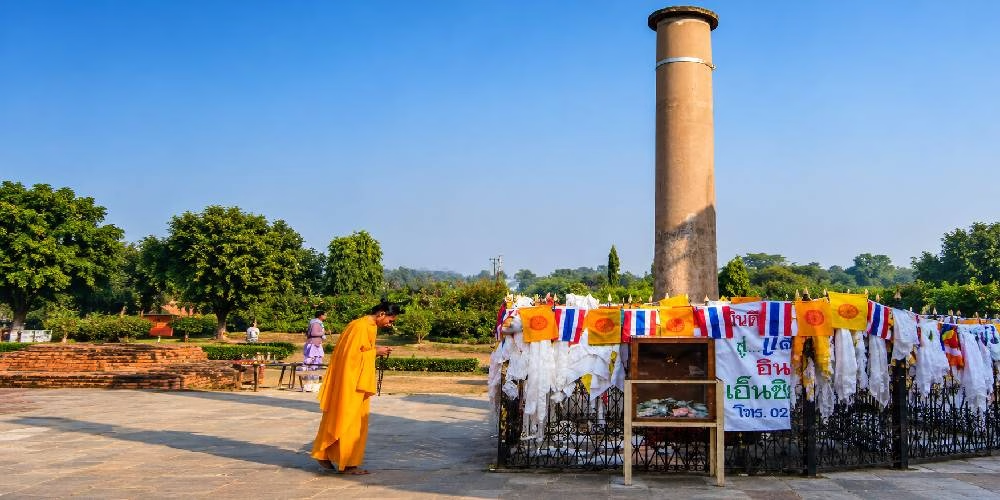
Right next to the main temple stands the famous Ashoka Pillar. This massive stone column was erected here in 249 BC by an Indian ruler named Emperor Ashoka. He traveled to this remote spot on a royal pilgrimage to honor the birthplace of the Buddha.
Furthermore, the pillar’s inscription provides some of the strongest historical evidence identifying Lumbini as the birthplace of the Buddha. The inscription records Emperor Ashoka’s pilgrimage to the site and helps establish Lumbini’s historical significance.
Source: Wikimedia Commons
1.5 Walk Around the Sacred Pond (Puskarini)
Next to the temple ruins is a quiet pool of water called the Sacred Pond, or Puskarini. Buddhist tradition says Queen Maya Devi bathed in the pond before giving birth and later used its water for the infant Siddhartha’s first bath.
Today, old stone steps lead down to the water under a massive Bodhi tree. Consequently, it is one of the best things to do in Lumbini, especially for tired travelers who want to sit down, rest their legs, and enjoy the view. Take a few quiet moments here to reset your mind before moving on to the next area.
2. Tour the International Monastic Zones
When you leave the garden, you will enter the massive Monastic Zone. This unique park is split right down the middle by a peaceful, one-mile-long water canal. On both sides of the water, different countries from all over the world have built their own beautiful monasteries.
As a result, walking or cycling through this area feels like a quick trip around the globe. You see a beautiful mix of bright colors, grand temple shapes, and unique cultural designs. It is an amazing place to explore slowly, whether you rent an affordable bicycle or take a quiet boat ride down the canal.
2.1 The East Monastic Zone (Theravada Tradition)
This side is quiet, heavily forested, and perfect for exploring by bicycle. With fewer buildings and more open nature, it is the best place to escape the crowds.
- The Royal Thai Monastery: This gleaming white marble temple looks like a slice of Bangkok dropped right into Nepal. It is surrounded by beautifully kept gardens that shine brightly in the sun. Be sure to take your shoes off at the entrance. Keep your voice down as you walk through; you will often see monks quietly praying or walking past.
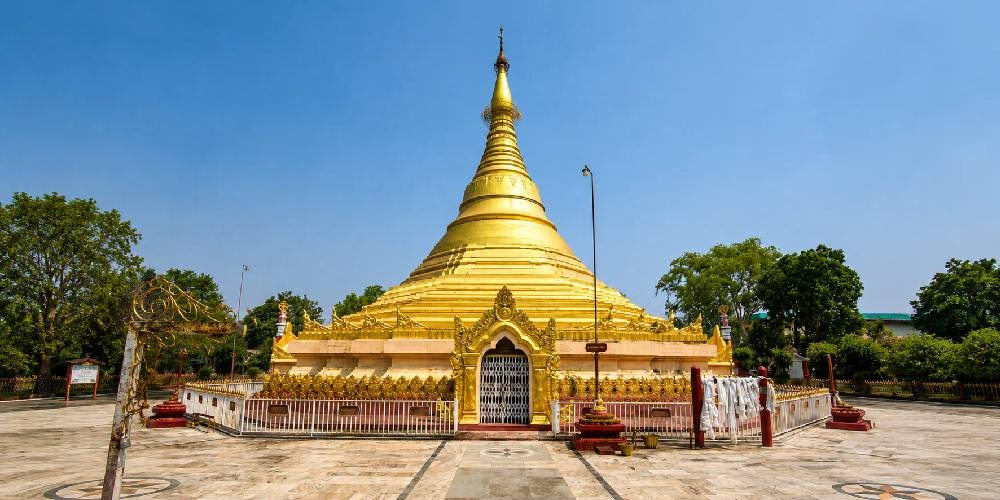
- The Myanmar Golden Temple: This temple stands out for its massive, bright-gold spire, which looks stunning against the green trees. It is easily one of the best places in the park to snap a quick photo. Once you step inside the quiet courtyard, all the outside noise completely fades away. It offers a truly calm space where you just stand still, rest, and relax.
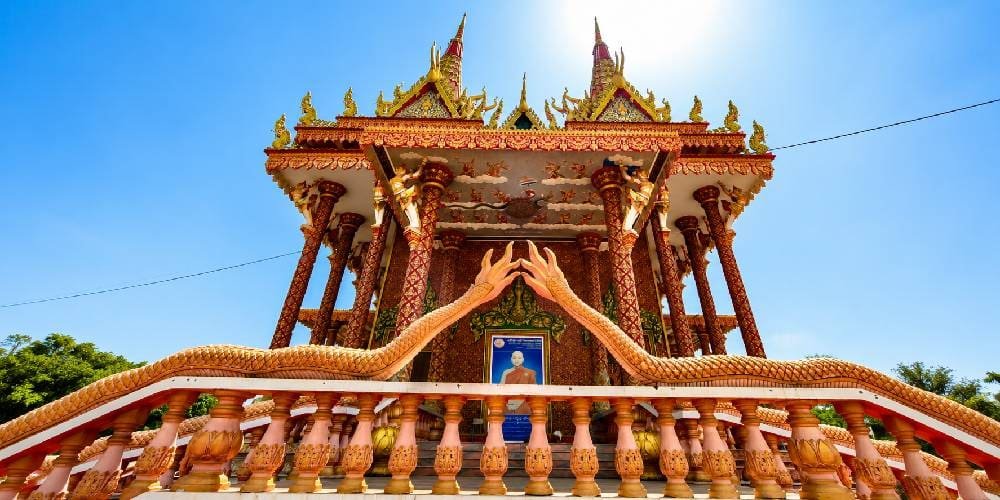
- The Cambodian Monastery: You will find this striking temple on the quiet East Monastic Zone side of the park. Its towering, multi-tiered spires look just like ancient Angkor Wat, a Hindu temple in Siem Reap, Cambodia. As you walk up the steps, look closely at the columns and roofs to see beautiful, detailed carvings of mythical creatures. It gives you an up-close view of some of the most unique craftsmanship in all of Lumbini.
2.2 The West Monastic Zone (Mahayana & Vajrayana Traditions)
Across the canal, the scenery changes. This side is much larger and filled with bright, colorful temples featuring massive prayer halls and multi-layered roofs.
- The South Korean Temple: This large Buddhist monastery features a distinct Korean architectural style. Its tall concrete structure, balanced layout, and mountain-shrine look make it stand out from many other temples in Lumbini. Visit the temple if you want a calm break after exploring the main sacred sites.
- The Great Lotus Stupa (Germany): This German-sponsored stupa welcomes you with a spectacular flower garden out front. The grass and colorful plants look like a perfectly designed, living puzzle. The real magic is hidden inside the main hall. Make sure to look straight up at the ceiling, which is completely covered in beautiful, hand-painted stories of the Buddha’s life.
- The Chinese Buddhist Monastery: This temple looks like a mini Forbidden City with its bright colors and traditional design. The complex stands out immediately with its grand yellow-gold tiered roofs and broad red accents on the main building walls. It is an incredibly peaceful place to sit on a bench, look at the classic architecture, and escape the crowds.
3. Mindful & Immersive Experiences to Try
If you treat Lumbini like a generic sightseeing checklist, you are going to miss the whole point of the town. The true magic of this place only reveals itself when you slow down your pace and match the quiet, steady rhythm of the monks living here.
Changing your mindset from a tourist to an observer turns a basic visit into a more memorable experience. These are some of the best things to do in Lumbini if you want to truly immerse yourself.
3.1 Cycle Through the Quiet Terai Landscape
Because the local geography is completely flat, exploring on two wheels is the absolute best way to get around. You can rent a classic, single-speed bicycle for a couple of hundred rupees at almost any local hotel or roadside shop.
Once you steer away from the main brick paths and head into the local dirt roads, you will glide past traditional mud houses, vast yellow fields of blooming mustard, and old rice paddies. Local children may run out to wave, smile, and call out a warm “Namaste!” as you pass by.
3.2 Take a Boat Ride Along the Central Canal
The long Central Canal runs like a silver ribbon straight through the spine of the entire park, connecting the local village to the sacred zone. If your legs are burning from all the walking, jumping onto one of the simple outboard boats is a lifesaver.
On top of giving your feet a much-needed break, the boat ride is one of the best things to do in Lumbini for a completely different viewpoint. Watching the colorful roofs of the international monasteries peek out from the top of the green forest canopy from the water is a beautiful sight.
3.3 Find a Quiet Corner to Meditate
You do not need to practice Buddhism or know any advanced techniques to enjoy the meditative space here. Many monasteries provide quiet outdoor spaces where visitors can sit, subject to local rules and opening hours.
To do this right, simply turn your phone to silent mode, find a shady spot under a tree, and listen to the wind rustling through the leaves. Taking just ten minutes to sit quietly will completely reset your energy and cool you down from the Terai heat.
3.4 Observe the Devotional Prayer Rituals
One of the most emotional things to witness in the Sacred Garden is watching pilgrims arrive from many countries to pray, chant, offer flowers, and light butter lamps near the birth shrine. Many travel thousands of miles across Asia just to set foot on this grass.
Whether you see them quietly lighting hundreds of glowing butter lamps, offering fresh marigold flowers, or chanting scriptures in harmony, the dedication is deeply moving. Just remember to keep a respectful distance, stay quiet, and take photos without getting in their way.
4. History, Nature, and Peace Landmarks
Lumbini is more than just ancient ruins and active temples. Beyond the Sacred Garden and monasteries, Lumbini has several places connected with history, nature, and world peace.
Adding these unique spots to your daily route is one of the best things to do in Lumbini, as it gives you a much bigger, well-rounded picture of why this small Nepali town matters so much to the rest of the world.
4.1 Visit the Lumbini Museum
The Lumbini Museum is located near the northern entrance. It is a great place to escape the midday heat. Inside, you will find a beautifully curated collection of old coins, ancient terra-cotta sculptures, and historic photos of the original excavations.
Walking through these quiet galleries helps you connect the dots. It gives you the historical background you need to understand the broken brick foundations you see outside in the garden.
4.2 Spend a Quiet Moment at the Eternal Peace Flame
As you cruise along the canal, a flicker of bright orange will catch your eye. This is the Eternal Peace Flame, which has been burning nonstop since 1986 as a powerful symbol of world harmony.
It sits right on the main path, making it the perfect spot to park your bike and stretch your legs. Before you take off, look across the water; the flame’s reflection on the canal makes for an absolutely awesome photo.
4.3 Visit the World Peace Pagoda (Shanti Stupa)
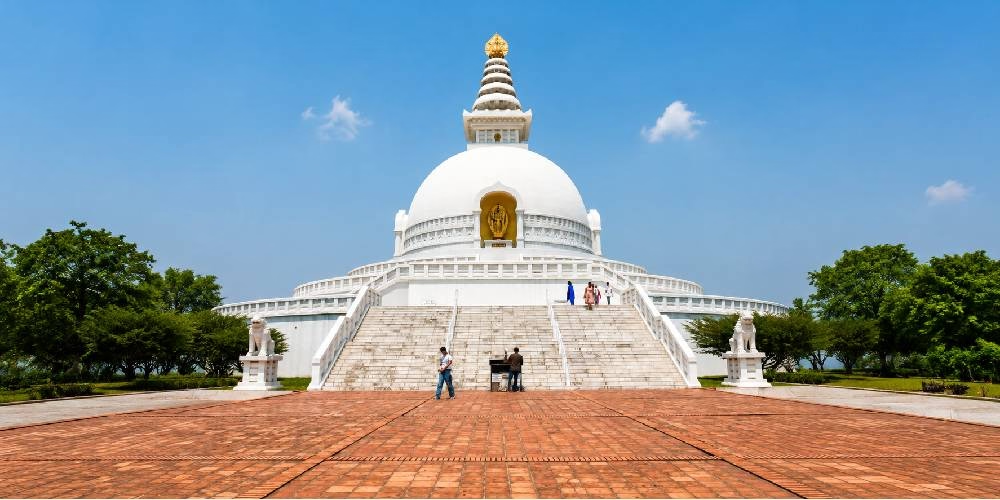
Heading to the northern edge of the park, you will spot a giant, snow-white dome rising high into the sky. This is the World Peace Pagoda, and it practically glows under the Terai sun.
The absolute best time for you to go there is in the late afternoon. Walk up the stone paths right before sunset. The late-afternoon light creates clear views across the surrounding fields.
4.4 Explore the Lumbini Crane Sanctuary
The Lumbini Crane Sanctuary offers a quiet change from temples and monuments. Its wetlands protect the habitat of the Sarus crane, the world’s tallest flying bird.
A visit to the sanctuary adds nature and wildlife to the best things to do in Lumbini and offers a quiet contrast to the sacred monuments and monasteries.
5. Local Street Food at Lumbini Bazaar
Since Lumbini sits right next to the Indian border, the street food here is a delicious, spicy mix. Trying local street food is one of the best things to do in Lumbini. To find the best flavors, head straight to Lumbini Bazaar, a busy and lively street located right outside the main park gates.
Look for small local stalls and try these popular snacks:
- Samosas: Deep-fried pastry pockets filled with spiced potatoes and peas
- Veggie momos: Soft dumplings filled with vegetables and served with spicy tomato achar
- Pani puri: Crispy hollow shells filled with spicy water, potatoes, chickpeas, and tangy chutney
- Tikiya chat: A fried potato patty topped with warm chickpeas and yogurt
When the afternoon gets too hot, this is the perfect spot to take a break. Just sit down on a plastic stool, grab some cold water, and enjoy a hot glass of sweet milk tea (Chiya) while you talk with the locals and plan your next stop!
6. Places to Visit Near Lumbini (Outlying Heritage Sites)
If you have an extra day or two to spare, you should definitely venture outside the main park gates. Arrange a local auto-rickshaw or taxi to visit the wider Buddhist heritage area around Lumbini.
These outlying sites are completely uncrowded, raw, and offer an incredible journey back in time for curious travelers.
6.1 Tilaurakot (Ancient Kapilavastu)
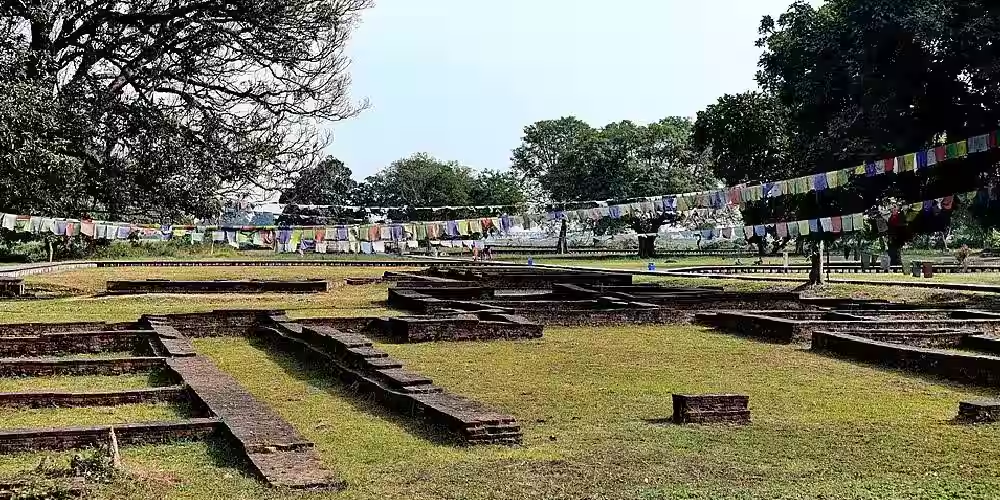
Tilaurakot is located about 29 kilometers west of Lumbini. It is a fascinating place to explore. These quiet, forested ruins mark the exact spot of the ancient royal palace where Prince Siddhartha spent the first 29 years of his life living as royalty.
Walking along the old earth paths under the shade of massive trees, you see the foundations of the ancient city gates. It feels incredibly wild and peaceful compared to the main garden.
Source: Wikimedia Commons
6.2 Ramagrama Stupa
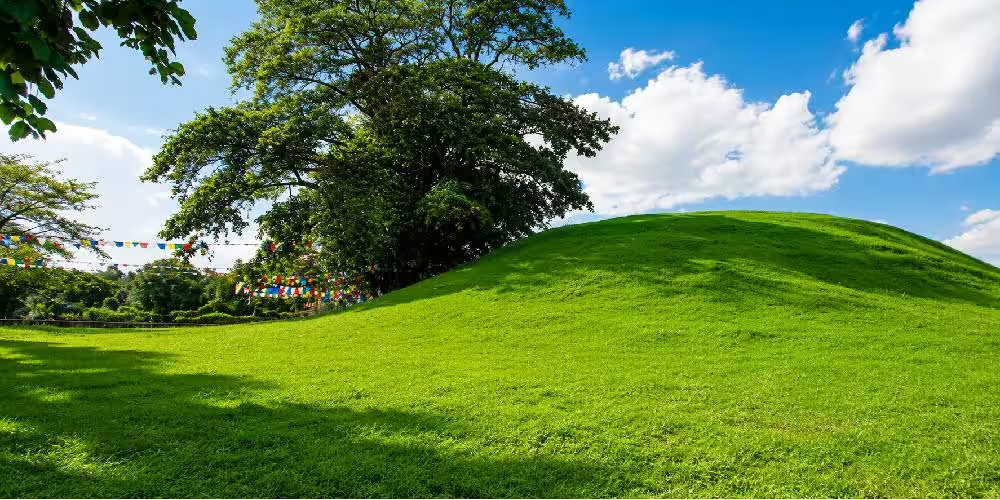
Next, visit the Ramagrama Stupa, which feels totally magical. The Ramagrama Stupa is traditionally believed to contain relics of the Buddha, and its central relic mound is regarded as having remained undisturbed.
Instead of a concrete temple, you will see a giant, quiet green hill wrapped in huge tree roots. Very few tourists come here, so you get to enjoy the peaceful vibe.
Source: Wikimedia Commons
6.3 Devdaha
Finally, take a trip to Devdaha, which was the ancient capital of the Koliya kingdom. History tells us that this area was the ancestral childhood home of Queen Maya Devi.
Visiting this site gives you a much better look into the family history and early roots of the kingdom. It is a lovely, quiet country drive that works best if you have a completely open morning.
What Is the Best Time to Visit Lumbini?
The best time to visit Lumbini is from October to March, making it one of the best times to visit Nepal for comfortable sightseeing. The cooler weather is ideal for walking and cycling. April and May bring Buddha Jayanti celebrations but also intense heat, while June to September are rainy and humid.
I. October to March (The Sweet Spot)
This is the absolute best time to plan your trip. The summer heat is gone, the skies are crisp and blue, and a cool breeze blows across the plains, making long bike rides and endless walking through the open temples incredibly comfortable.
II. April to May (The Festival Window)
This is a very special time because it marks Buddha Jayanti (the Buddha’s Birthday). The entire town is filled with colorful flags, massive evening processions, and thousands of chanting pilgrims.
However, be warned: the summer heat is intense during these months, often passing 40°C/104°F. If you visit during this time, do your exploring during the early morning or late evening to avoid heat exhaustion.
III. June to September (The Monsoon Shift)
These months bring the summer rains and very high humidity. On the bright side, the monsoon completely transforms the landscape, turning the local farmlands and forests bright green. Just remember to pack a solid umbrella, wear waterproof shoes, and be ready for a slower, more flexible travel pace.
You may also read: Best Time to Visit Nepal
Conclusion
In the end, Lumbini is not a place to rush through. The best things to do in Lumbini are the ones you experience at a slower pace, whether that means exploring the Sacred Garden, visiting the international monasteries, discovering nearby heritage sites, or simply enjoying a few quiet moments in peaceful surroundings.
Reaching Lumbini’s nearby heritage sites and finding the right local guide can feel confusing if you are visiting for the first time. Joyful Eco Treks helps you plan your Lumbini trip with the right route, transport, timing, and local support.
Whether you want a spiritual visit, cultural experience, family trip, or custom Lumbini tour, our team can arrange a smooth journey around your travel style. Contact us today to start planning your Lumbini trip.
See more travel stories, destination updates, trekking photos, and trip ideas from Nepal. Follow Joyful Eco Treks on Facebook, Instagram, and TikTok and stay connected with our latest adventures.
FAQs
Is Lumbini worth visiting?
Yes, Lumbini is worth visiting if you are interested in history, culture, or spirituality. As the birthplace of Lord Buddha and a UNESCO World Heritage Site, Lumbini is home to Maya Devi Temple, Ashoka Pillar, the Sacred Garden, and many international Buddhist monasteries.
Why is Lumbini so famous?
Lumbini is famous because it is the birthplace of Lord Buddha and one of the most important Buddhist pilgrimage sites in the world.
What are the major attractions in Lumbini?
The major attractions in Lumbini are Maya Devi Temple, Marker Stone, Ashoka Pillar, Sacred Pond, Sacred Garden, East and West Monastic Zones, World Peace Pagoda, Lumbini Museum, Eternal Peace Flame, and Lumbini Crane Sanctuary.
What are the best places to visit in Lumbini in 1 day?
For one day in Lumbini, visit Maya Devi Temple, Marker Stone, Ashoka Pillar, Sacred Pond, Sacred Garden, Central Canal, a few nearby monasteries, and the World Peace Pagoda if time allows.
What is the main temple in Lumbini?
Maya Devi Temple is the main temple in Lumbini because it marks the birthplace area of Siddhartha Gautama, who later became Lord Buddha.
Where is the Ashoka Pillar in Lumbini?
The Ashoka Pillar is located inside the Sacred Garden area near Maya Devi Temple and is one of the most important historical landmarks in Lumbini.
What food should I try in Lumbini?
In Lumbini, you should try simple Nepali and Indian-style food such as dal bhat, curry, roti, tea, sweets, fried snacks, noodles, and local meals around Lumbini Bazaar.