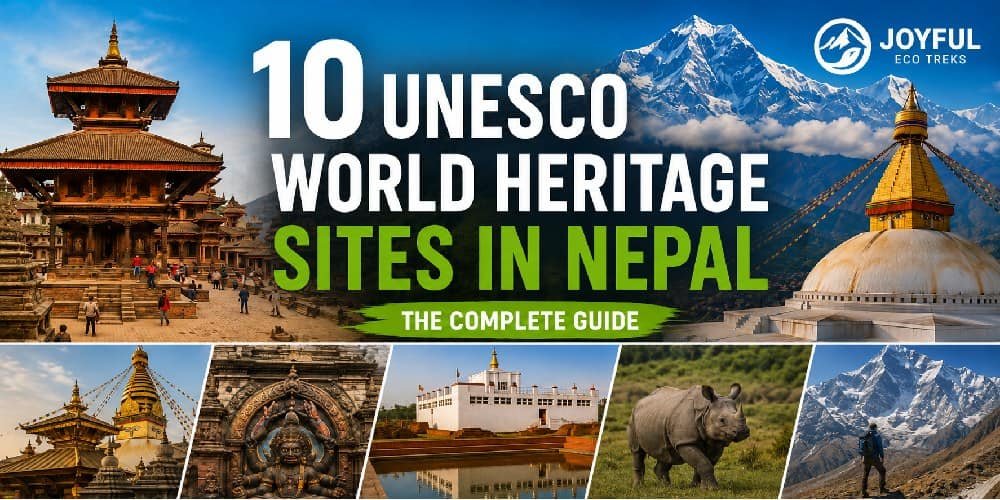
Nepal’s UNESCO World Heritage Sites bring together ancient palace squares, Hindu and Buddhist landmarks, protected wildlife areas, and the birthplace of Buddha. From the historic monuments of Kathmandu Valley to the forests of Chitwan and the mountains of Sagarmatha, each destination represents a different part of Nepal’s cultural or natural heritage.
This guide covers the 10 individual heritage destinations commonly included in Nepal travel itineraries. You will learn what makes each site worth visiting, along with current entry fees, transport options, main attractions, and practical planning tips.
Important note: UNESCO officially lists four World Heritage properties in Nepal. This guide presents 10 commonly visited heritage destinations because the Kathmandu Valley property contains seven separate monument zones.
- Nepal officially has four UNESCO World Heritage properties, but travelers commonly count 10 individual sites because Kathmandu Valley includes seven separate monument zones.
- The 10 sites include eight cultural and religious places and two natural sites: Chitwan National Park and Sagarmatha National Park.
- Seven heritage sites are located within Kathmandu Valley, making it possible to visit several durbar squares, temples, and stupas in a few days.
- Lumbini, Chitwan, and Sagarmatha are outside Kathmandu Valley and require separate trips, ranging from short flights to multi-day tours or treks.
- Autumn, from September to November, and spring, from March to May, are the best seasons for clear weather, sightseeing, wildlife activities, and mountain views.
How Many UNESCO World Heritage Sites Does Nepal Have?
This is where a lot of people get confused, so let’s clear it up first. Officially, UNESCO has listed only four World Heritage Sites in Nepal: Kathmandu Valley (which includes Kathmandu, Bhaktapur, and Lalitpur), Lumbini, Chitwan National Park, and Sagarmatha National Park.
However, the Kathmandu Valley listing actually covers seven separate monument zones, including three durbar squares and several temples and stupas. Because of this, most travelers commonly refer to 10 UNESCO World Heritage Sites in Nepal, since each of those seven zones is treated individually when planning a visit. To put it simply, two are natural sites, and the remaining eight are cultural or religious.
| Site | Historical Origin / Established | UNESCO Listed | Location, Di |
| Kathmandu Durbar Square | Licchavi period (4th–8th century) | 1979 | Kathmandu Valley |
| Patan Durbar Square | 3rd century BC | 1979 | Lalitpur |
| Bhaktapur Durbar Square | 12th century | 1979 | Bhaktapur |
| Swayambhunath Stupa | 5th century | 1979 | Kathmandu Valley |
| Boudhanath Stupa | 5th–6th century | 1979 | Kathmandu Valley |
| Pashupatinath Temple | 5th century | 1979 | Kathmandu Valley |
| Changu Narayan Temple | 4th century | 1979 | Bhaktapur |
| Lumbini | 3rd century BC | 1997 | Rupandehi District |
| Chitwan National Park | 1973 | 1984 | Chitwan District |
| Sagarmatha National Park | 1976 | 1979 | Solukhumbu District |
Now that you know all 10 at a glance, let’s take a closer look at each one, what makes it special, and what you need to know before you visit.
Site 1: Kathmandu Durbar Square
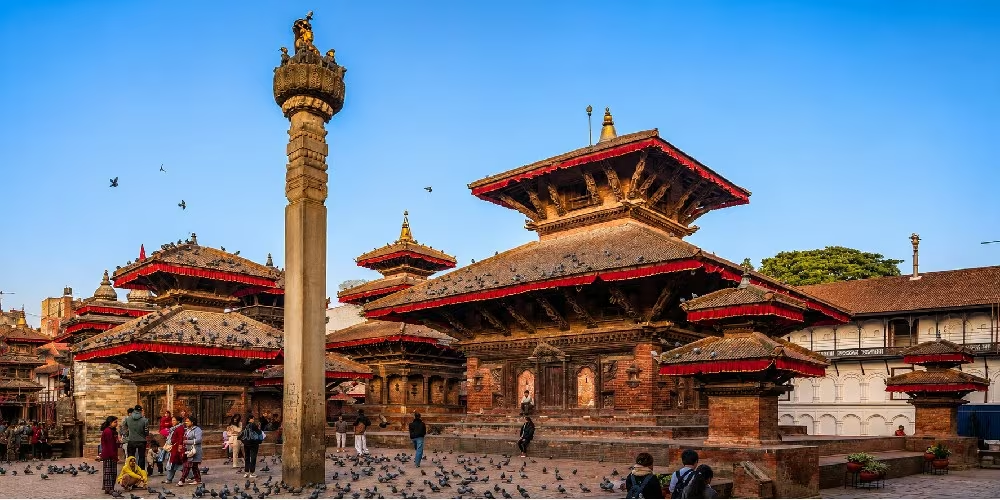
Kathmandu Durbar Square is the old royal palace complex in the heart of the city, also called Hanuman Dhoka. Nepal’s kings once ruled and were crowned here, in a courtyard called Nasal Chowk. Look out for the nine-story Basantapur Tower and the Taleju Temple, which opens to the public only once a year.
It’s still home to the Kumari, Nepal’s living goddess. You might catch a glimpse of her at her window. Parts of the square were damaged in the 2015 earthquake but have since been restored. Go in the morning for fewer crowds and better light.
- Entry Fee: NPR 1,000 for foreign tourists; NPR 500 for SAARC nationals (citizens of South Asian countries such as India, Bangladesh, Sri Lanka, Pakistan, and others); free for Nepali citizens.
- How to Get There: If you’re staying in Thamel (where most tourists stay), it’s an easy 15-20 minute walk south. If you don’t want to walk, a taxi from Thamel costs around NPR 200-300 and takes about 10 minutes. Local buses also pass through this area, though they’re a bit harder to navigate if it’s your first time in Nepal.
- Best Time to Visit: Early morning, before 9 AM, for fewer crowds and softer light. Autumn and spring offer the clearest skies for photos.
- Things to Do There: Walk through Hanuman Dhoka Palace and Nasal Chowk, spot the Kumari’s window, see the Kal Bhairav statue and Taleju Temple’s exterior, and browse nearby markets.
Site 2: Patan Durbar Square
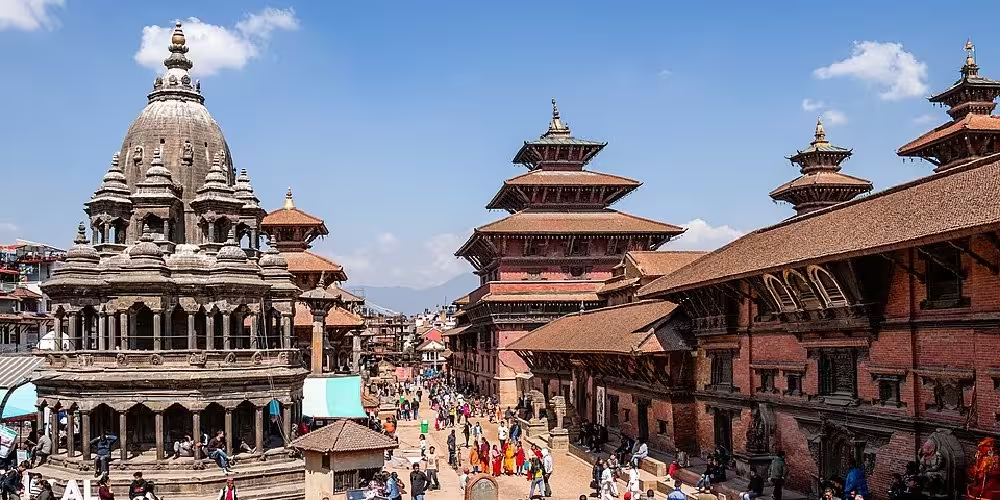
Just across the river from Kathmandu sits Patan Durbar Square, once the royal palace of the Malla kings. People call it the “City of Fine Arts” because of its beautiful stone and wood carvings. Look out for the Krishna Mandir, a temple made entirely of stone, which is rare in Nepal.
Just outside the square, you’ll find the Golden Temple, a small Buddhist monastery worth a quick visit. Patan has a long tradition of bronze and metal work, crafted by skilled local artisans for generations. One ticket gets you into the square and the Patan Museum, where you can see old statues and religious art up close.
Source: Wikimedia Commons
- Entry Fee: NPR 1,000 for foreign tourists, NPR 500 for SAARC nationals, NPR 30 for Nepali citizens. (Confirm at the counter, as prices can change.)
- How to Get There: Patan is in Lalitpur, just across the Bagmati River from Kathmandu, so it’s a separate trip from the other Kathmandu Valley sites. A taxi from Thamel takes about 20 minutes and costs roughly NPR 500-700. If you want a cheaper option, you can take a public bus or a tuk-tuk (a small three-wheeled taxi) from Ratna Park or Sundhara.
- Best Time to Visit: Weekday mornings are quieter than weekends. Since it’s less crowded than Kathmandu Durbar Square, most times of day work well.
- Things to Do There: Visit Krishna Mandir and the Golden Temple, walk through the Patan Museum, and shop for handmade metal crafts in Mangal Bazar.
Site 3: Bhaktapur Durbar Square
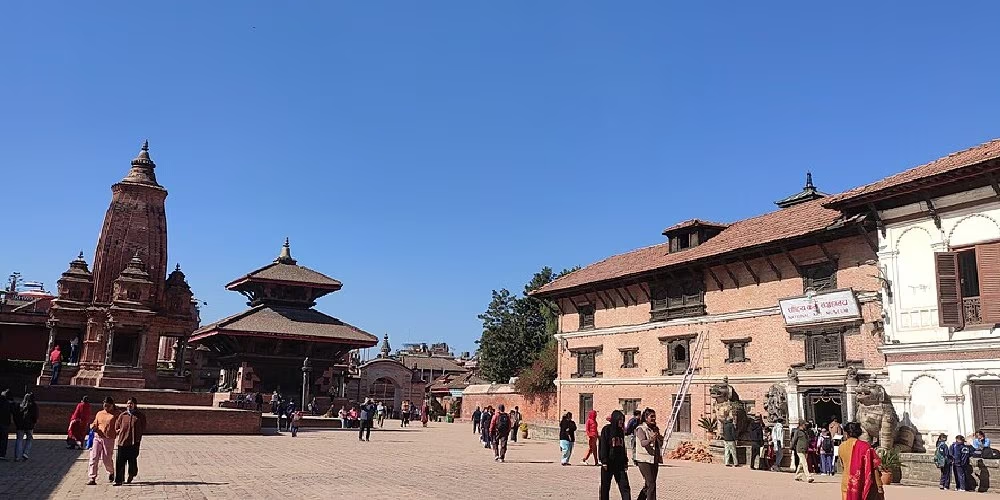
Bhaktapur Durbar Square feels like stepping back in time, since much of it looks the same as it did centuries ago. The city’s most famous landmark is Nyatapola Temple, Nepal’s tallest pagoda at five stories high. You’ll also see the old 55-Window Palace, once home to Malla kings.
Bhaktapur is famous for its pottery and a sweet yogurt called Juju Dhau, which is worth trying while you’re there. If you visit during Bisket Jatra, a local festival, you’ll see huge chariots pulled through the streets.
Source: Wikimedia Commons
- Entry Fee: NPR 1,800 for foreign tourists, NPR 500 for SAARC nationals. (This ticket can cover up to a full week if you show your passport at the ticket counter.)
- How to Get There: Bhaktapur is its own city, about 13-16 km east of Kathmandu, so plan for a longer trip than the other Kathmandu Valley sites. A taxi from Thamel typically costs around NPR 600-1,000 and takes about 45 minutes, though fares vary depending on traffic and negotiation. You can also take a local bus from Ratna Park or Old Bus Park, which is cheaper but can take over an hour depending on traffic.
- Best Time to Visit: Go early morning or late afternoon to avoid the midday heat, since you’ll likely be walking around for a few hours. If you can time your trip during Bisket Jatra (mid-April), you’ll see the city at its liveliest.
- Things to Do There: See Nyatapola Temple and the 55-Window Palace, try pottery-making at Pottery Square, and taste Juju Dhau.
Site 4: Swayambhunath
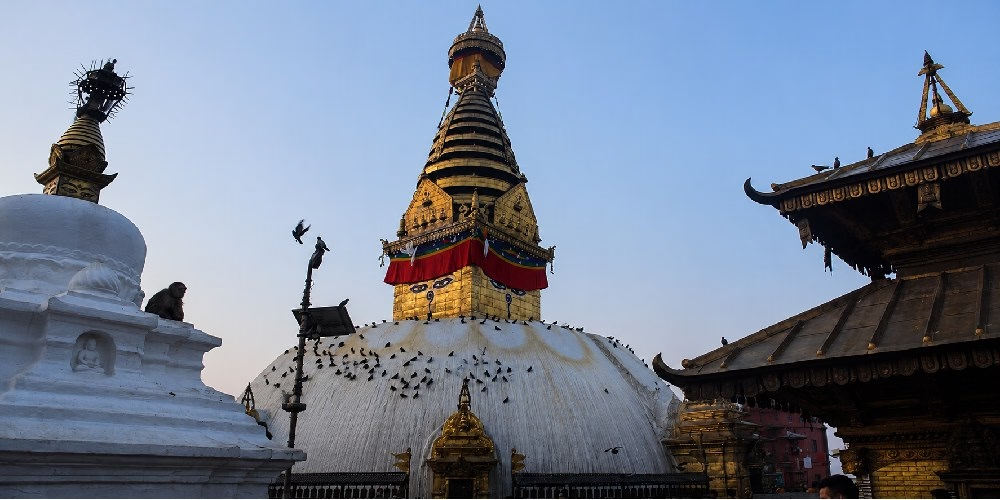
Perched on a hilltop above Kathmandu, Swayambhunath is one of the oldest religious sites in Nepal. People call it the “Monkey Temple” because of the many monkeys living around the grounds. Climbing the 365 steps to the top, you’ll notice the stupa’s painted eyes watching in all four directions, a symbol of Buddha’s all-seeing wisdom.
Once at the top, you get a wide view of the whole Kathmandu Valley. It’s a peaceful spot with prayer wheels, small shrines, and monks who sometimes perform evening rituals.
Source: Wikimedia Commons
- Entry Fee: NPR 200 for foreign tourists, NPR 50 for SAARC nationals, free for Nepali citizens.
- How to Get There: Swayambhunath is one of the closer sites to Thamel, about 3-4 km away. Walking takes 30-35 minutes, mostly uphill near the end. A taxi is faster, taking just 10-15 minutes and costing around NPR 500-600. Local buses from Sorahkhutte also pass nearby, though a taxi is easier if it’s your first time navigating Kathmandu.
- Best Time to Visit: Early morning or late afternoon, both for cooler weather on the climb and better light for photos over the valley. Sunset is especially popular here.
- Things to Do There: Climb to the top for valley views, spin the prayer wheels, and watch the evening rituals.
Site 5: Boudhanath Stupa
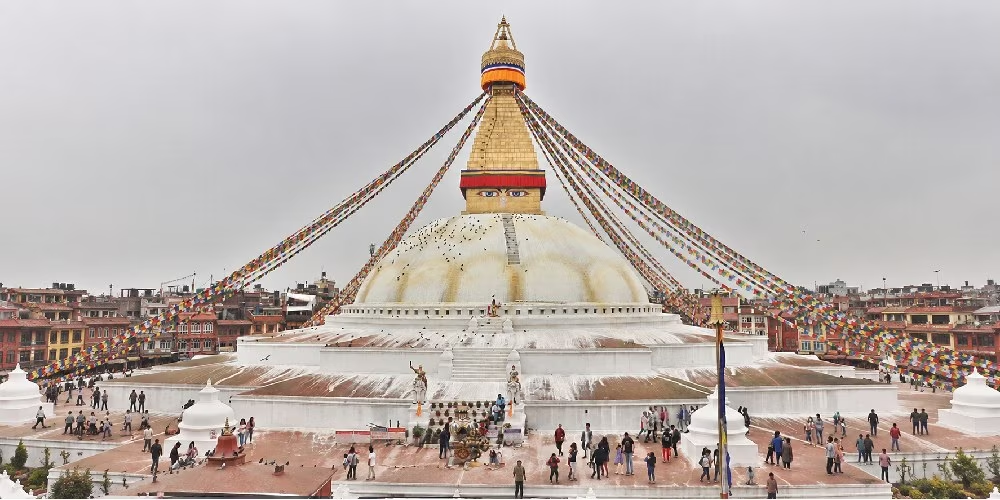
One of the largest stupas in the world, Boudhanath is the center of Tibetan Buddhism in Nepal. Many Tibetan refugees settled around this area, which is why you’ll see monks, monasteries, and prayer flags everywhere. The huge white dome, with painted eyes on top, is hard to miss.
Walking clockwise around the stupa (called doing a “kora”) is a peaceful way to experience it, especially in the evening when locals gather to pray. Several rooftop cafes nearby offer a great view as you relax.
Source: Wikimedia Commons
- Entry Fee: NPR 400 for foreign tourists, NPR 100 for SAARC nationals, free for Nepali citizens.
- How to Get There: Boudhanath is about 6-7 km from Thamel, on the opposite side of the city near the airport. A taxi takes 15-20 minutes and costs roughly NPR 400-600. Local buses from Ratna Park or Gongabu also pass this way, though a taxi is more straightforward if you’re unfamiliar with the routes.
- Best Time to Visit: Early evening, around sunset, when locals gather to walk the kora and light butter lamps. It’s one of the most peaceful times to experience the stupa.
- Things to Do There: Walk the kora around the stupa, visit a nearby monastery, and grab a coffee at a rooftop cafe.
Site 6: Pashupatinath Temple
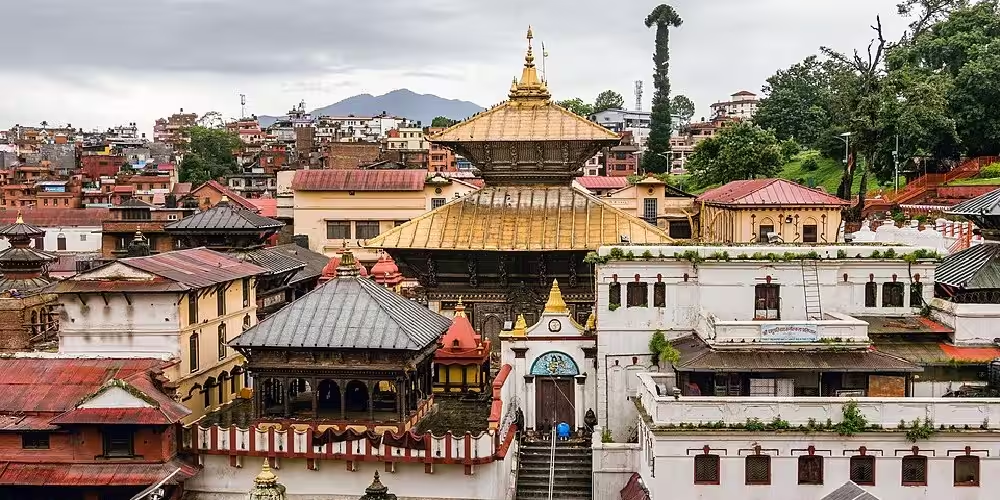
Set on the banks of the Bagmati River, Pashupatinath is one of the holiest Hindu temples in the world, dedicated to Lord Shiva. Only Hindus can enter the main temple, but everyone can view the complex from across the river. Along the riverbank, cremation ceremonies take place, an important part of Hindu tradition, and something to observe quietly and respectfully.
Every evening, priests perform an aarti ceremony with fire, chanting, and lamps along the river. It’s one of the most memorable things to see in Kathmandu, even if you’re just watching from a distance.
Source: Wikimedia Commons
- Entry Fee: NPR 1,000 (foreign tourists), free (Indian & Nepali citizens).
- How to Get There: Pashupatinath is close to the airport, about 5 km from Thamel. A taxi takes 15-20 minutes and costs around NPR 500-600. It’s also easy to combine with Boudhanath, since both are on the same side of the city.
- Best Time to Visit: Late afternoon, so you can stay for the evening aarti ceremony, which usually begins around sunset.
- Things to Do There: Watch the evening aarti ceremony, view the cremation ghats respectfully, and walk through the temple courtyards.
Site 7: Changu Narayan Temple
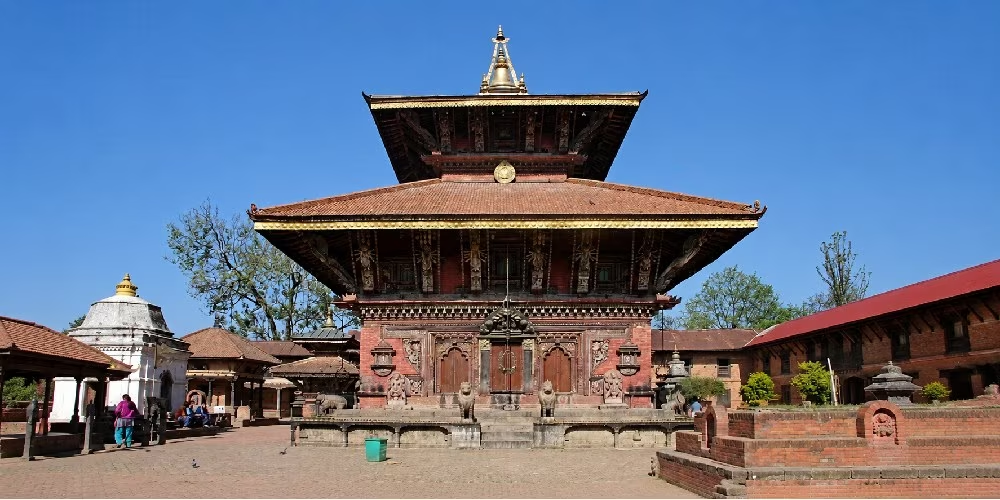
Believed to be the oldest Hindu temple in Nepal still in use today, Changu Narayan dates back to the 4th century. It’s dedicated to Lord Vishnu and sits on a peaceful hilltop near Bhaktapur, away from the busy crowds of the city.
The temple’s detailed stone and wood carvings are what make it stand out, among the oldest in Nepal. Since it’s less visited than other sites, it’s a calm place to slow down and take in the history.
Source: Wikimedia Commons
- Entry Fee: NPR 300 for foreign tourists, NPR 100 for SAARC nationals, free for Nepali citizens.
- How to Get There: There’s no direct bus from Kathmandu. The easiest way is to visit Bhaktapur first, then take a short taxi ride (around NPR 300) or local bus the remaining 6 km up the hill. Going straight from Thamel is possible but takes longer and costs more, so pairing it with a Bhaktapur trip works best.
- Best Time to Visit: Morning, when it’s quieter and cooler for the walk up the hill. Since it’s less visited than other sites, you’ll often have the temple almost to yourself.
- Things to Do There: Look at the old stone carvings, visit the small museum, and enjoy the calm views over the valley.
Site 8: Lumbini — Birthplace of Buddha
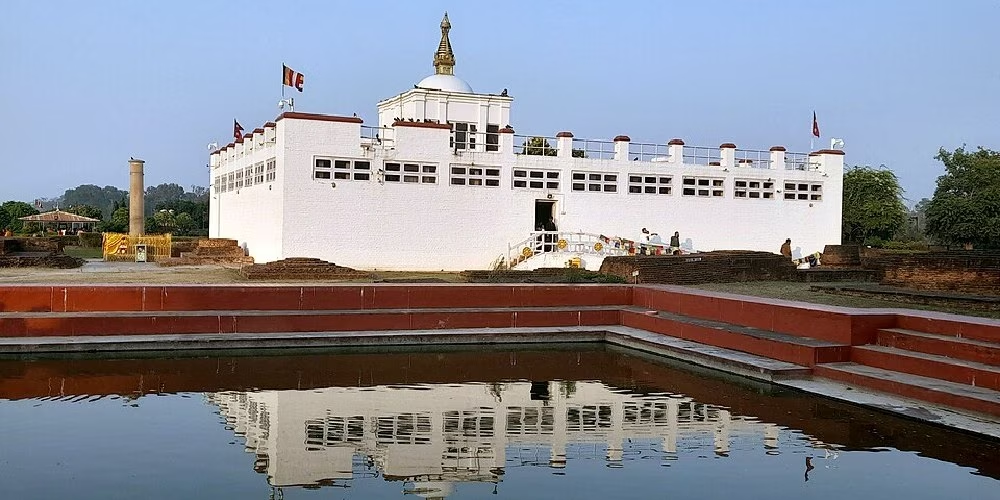
Over 2,500 years ago, Buddha was born in Lumbini. The main site is Maya Devi Temple, marking the exact birthplace, along with the Ashoka Pillar, an ancient stone pillar that helped prove this location historically, and a sacred pond nearby.
Around the temple, the Monastery Zone holds dozens of monasteries built by different Buddhist countries, each with its own unique style. It’s a calm, spread-out area, so most people explore it by bike or rickshaw rather than on foot.
Source: Wikimedi Commons
- Entry Fee: The Lumbini Development and Conservation Fee is NPR 20 per day for Nepali nationals, NPR 80 for Indian nationals, NPR 400 for SAARC nationals and visitors from Myanmar, and NPR 700 for other foreign passport holders. Entry fees
were checked in July 2026 but may change, so confirm the latest rate before visiting. - How to Get There: Fly from Kathmandu to Bhairahawa (about 30 minutes), then a short taxi ride. By road, the journey from Kathmandu generally takes around 10-11 hours, depending on traffic and road conditions.
- Best Time to Visit: October to March, when temperatures are cooler and more comfortable for walking around the spread-out Monastery Zone. Summers here can get very hot.
- Things to Do There: Visit Maya Devi Temple and the Ashoka Pillar, explore the Monastery Zone, and rent a bike to get around. Learn more.
Site 9: Chitwan National Park
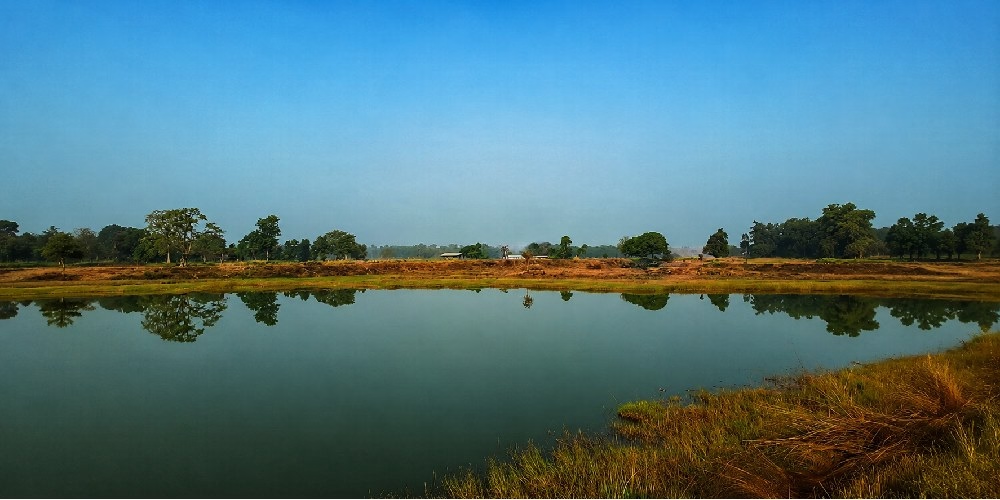
Chitwan is Nepal’s first national park and one of the best places in Asia to see rare wildlife, including the one-horned rhino and Bengal tiger. It’s a totally different experience from the temples and squares; think forests, rivers, and grasslands instead.
The area shelters the Tharu community, recognized for their unique culture, food, and traditional dances. Most visitors explore the park by jeep safari or canoe ride along the river.
Source: Wikimedia Commons
- Entry Fee: NPR 2,000 plus 13% VAT for foreign visitors, NPR 1,000 plus VAT for SAARC nationals, and NPR 150 plus VAT for Nepali citizens.
- How to Get There: About 5-6 hours by bus from Kathmandu, or a 20-minute flight to Bharatpur followed by a short drive.
- Best Time to Visit: October to March, when the weather is dry and cool, and wildlife is easier to spot near rivers and grasslands. Avoid the monsoon season (June-August), when trails can flood, and safaris may be limited.
- Things to Do There: Go on a jeep or canoe safari, visit the Elephant Breeding Center, and watch a Tharu cultural dance show. Learn More.
Site 10: Sagarmatha National Park
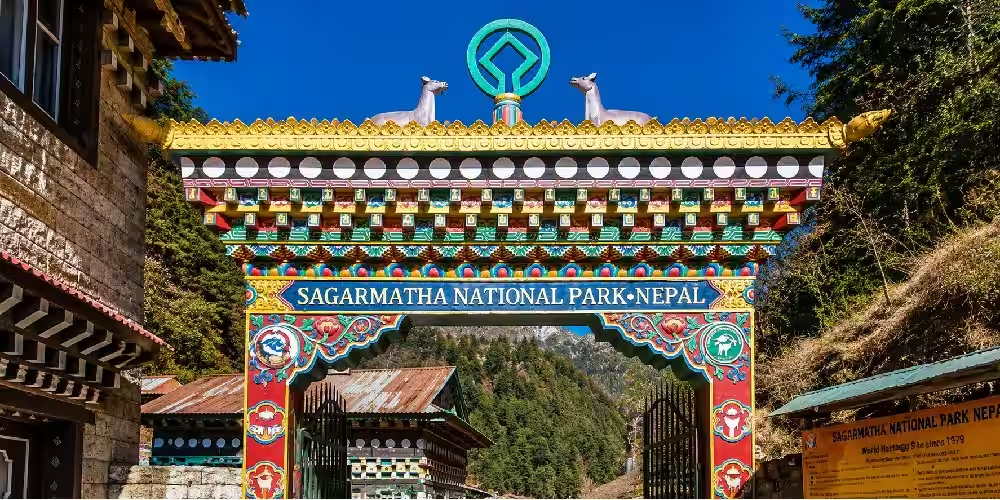
Sagarmatha National Park is home to Mount Everest, the tallest mountain in the world, along with several other high peaks. It shelters rare animals like snow leopards and red pandas, and supports Sherpa communities, celebrated worldwide for their mountaineering skills and warm hospitality.
Most people experience this park either by trekking to Everest Base Camp or by taking a helicopter tour for quicker mountain views. Along the way, you’ll pass Sherpa villages and Buddhist monasteries like Tengboche, one of the most famous in the region.
Source: Wikimedia Commons
- Entry Fee: NPR 3,000 for foreign tourists, NPR 1,500 for SAARC nationals, NPR 100 for Nepali citizens. (Note: In addition to park entry, trekking in the Everest region requires the Khumbu Local Permit for NPR 3,000.
- How to Get There: Fly from Kathmandu to Lukla, then trek in. A helicopter day tour is also available if you don’t want to trek.
- Best Time to Visit: Spring (March-May) and autumn (September-November) offer the clearest mountain views and safest trekking conditions. Winter is very cold, and monsoon season brings poor visibility and flight delays to Lukla.
- Things to Do There: Trek to Everest Base Camp, visit Tengboche Monastery, or take a helicopter tour for mountain views.
Fee note: Entry fees were checked in July 2026. Confirm current prices at the ticket counter or official website before visiting.
Why Are These Sites UNESCO-Listed?
UNESCO lists a site as a World Heritage Site when it has “outstanding universal value,” meaning it’s so important that its loss would affect the whole world, not just Nepal. These sites represent the cultural heritage of Nepal at its richest, from Newari architecture in Kathmandu Valley to Buddha’s birthplace in Lumbini.
Chitwan and Sagarmatha are listed for a different reason: they protect rare wildlife and ecosystems, like the one-horned rhino in Chitwan and the world’s highest peak in Sagarmatha, that can’t be found anywhere else on Earth.
National Heritage of Nepal vs. UNESCO World Heritage Sites
These two terms sound similar, but they mean different things. “National heritage” is a broader term; it covers any site that Nepal’s own government considers historically, culturally, or naturally important. This can include temples, forts, monuments, and natural areas across the entire country, decided entirely by Nepal itself.
“UNESCO World Heritage Site,” on the other hand, is a special international status. It’s only given to places that UNESCO considers important to the whole world, not just one country. Getting this status is harder, since it requires meeting strict international criteria and going through a formal review process.
All 10 places are important parts of Nepal’s cultural or natural heritage. They are also included within the country’s four UNESCO World Heritage properties. Nepal has many other national heritage sites that are meaningful and protected locally, but haven’t been listed by UNESCO.
How to Plan Your Visit: Grouping the Sites by Location
You don’t need 10 separate days to see everything; most of these sites are close together, so a little planning goes a long way. Here’s how they naturally group:
Kathmandu Valley cluster (7 sites, all within a short drive):
- Kathmandu Durbar Square + Swayambhunath: pair these together, both near Thamel
- Boudhanath + Pashupatinath: close to each other, easy to combine in one morning
- Patan Durbar Square: a quick trip across the river, can be its own half-day
- Bhaktapur + Changu Narayan: group these, since Changu Narayan is just outside Bhaktapur
Outside the valley (3 sites, each needs its own trip):
- Lumbini: best reached by a short flight, plan at least 1-2 days
- Chitwan National Park: worth 2-3 days for safaris and wildlife viewing
- Sagarmatha National Park: needs the most time; a full Everest Base Camp trek takes 12+ days, though a helicopter tour can be done in a single day if you’re short on time
Conclusion
Nepal’s 10 UNESCO World Heritage Sites show the heritage of Nepal at its richest, a mix of history, spirituality, and nature all in one country. Whether you’re wandering through centuries-old palace squares, standing where Buddha was born, or spotting a rhino in Chitwan’s jungle, each site adds a different layer to Nepal’s story. You don’t need to see all 10 in one trip; start with what interests you most, and build your itinerary around it.
If you’d like local guidance along the way, Joyful Eco Trek is happy to help you plan a trip that fits your time and interests, whether that’s a short heritage tour around Kathmandu Valley or a longer journey that includes Lumbini, Chitwan, or a trek toward Sagarmatha. Contact us to start planning your Nepal heritage journey.
See more travel stories, destination updates, trekking photos, and trip ideas from Nepal. Follow Joyful Eco Treks on Facebook, Instagram, and TikTok and stay connected with our latest adventures.
FAQs
How many UNESCO World Heritage Sites are there in Nepal?
Nepal officially has 4 UNESCO World Heritage Sites: Kathmandu Valley, Lumbini, Chitwan National Park, and Sagarmatha National Park. Since Kathmandu Valley covers 7 separate monument zones, most people count 10 individual sites in total.
Can I visit all 10 sites in one trip?
Yes, you can visit all 10 sites in one trip, but you’ll need at least 1-2 weeks to comfortably cover everything, including Lumbini, Chitwan, and Sagarmatha. With only a few days, focus on the 7 sites within Kathmandu Valley instead.
Do I need a guide to visit these heritage sites?
No, you don’t need a guide to visit these heritage sites, but hiring one helps you understand the history and stories behind each site, especially at larger places like Kathmandu Durbar Square or Lumbini.
What should I wear when visiting temples in Nepal?
You should wear modest clothing when visiting temples in Nepal, covering your shoulders and knees. At Pashupatinath, non-Hindus can’t enter the main temple, so plan to view it from outside.
Is Sagarmatha National Park the same as Mount Everest?
No, Sagarmatha National Park is not the same as Mount Everest. It’s the protected area that contains Mount Everest, along with other peaks, forests, and wildlife.
What’s the difference between historical places and UNESCO sites in Nepal?
The difference between historical places and UNESCO sites in Nepal is that UNESCO sites must meet strict international criteria for outstanding cultural or natural value, while historical places may not.
What is Nepal known for in terms of UNESCO heritage?
Nepal stands out for its mix of ancient Hindu and Buddhist sites in terms of UNESCO heritage, from palace squares and temples in Kathmandu Valley to Buddha’s birthplace in Lumbini and rare wildlife in Chitwan and Sagarmatha.
0 Reviews